The best aquarium substrate & hardscape (2026)
Substrate is the foundation of an aquascape — literally. We compare active aqua soils that feed root-hungry plants, plus inert gravels and sands, and cover hardscape (stone and wood) so you can plan a layout that looks good and works.
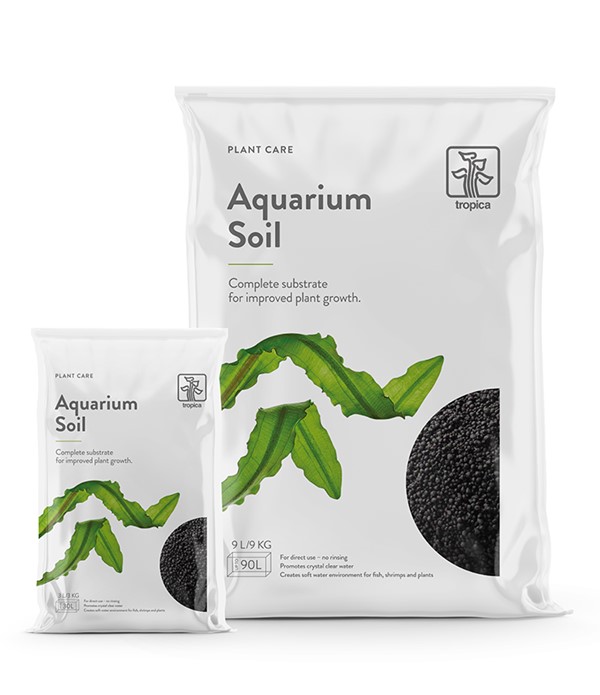
TROPICA · active aqua soil · lowers KH & pH · high-tech planted
Tropica Aquarium Soil
A premium active soil that actively lowers KH and pH and pushes strong, colourful growth from day one — the aquascaper's choice for a high-tech planted tank, with a finer Powder grade for carpets.
Read the review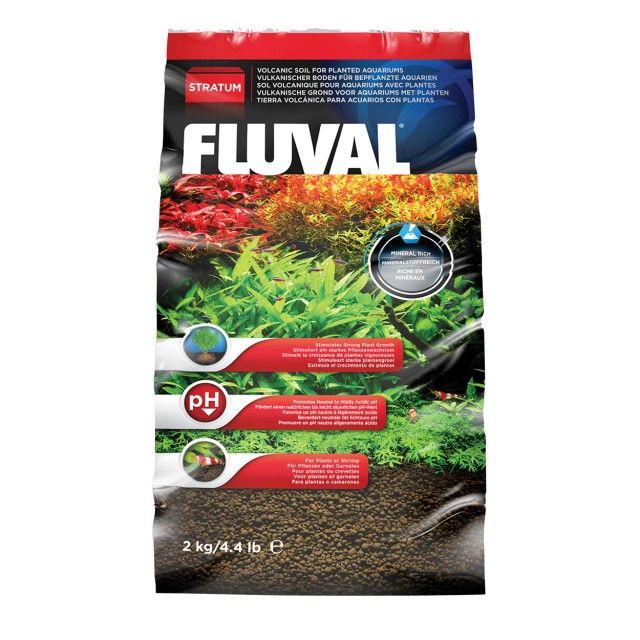
FLUVAL · active aqua soil · nudges pH down · planted & shrimp
Fluval Plant & Shrimp Stratum
Mineral-rich volcanic soil from Japan's Mount Aso that feeds plant roots and holds water in the neutral-to-slightly-acidic range shrimp love — the easiest, best-value entry into an active substrate.
Read the review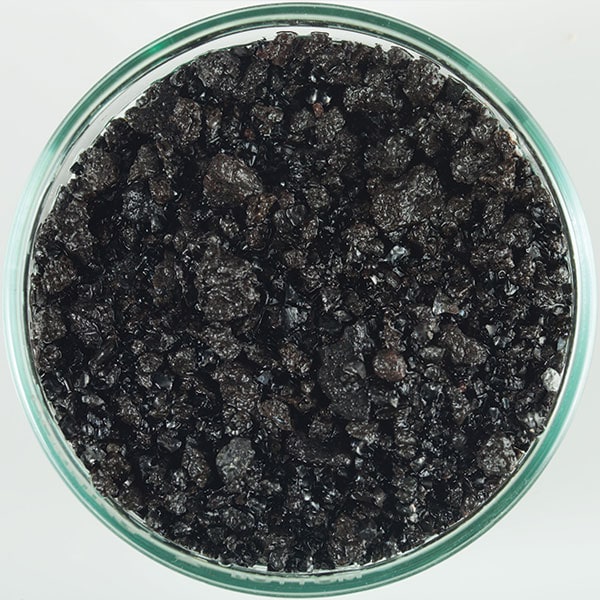
CARIBSEA · planted substrate · pH-neutral · permanent
CaribSea Eco-Complete Planted
A mineral-rich black volcanic substrate shipped wet with live bacteria — it feeds roots and never breaks down, giving planted-tank looks without the acidic swing or one-to-two-year lifespan of an active soil.
Read the review
SEACHEM · planted gravel · inert · permanent
Seachem Flourite Black
A stable, porous clay gravel that never breaks down and never needs replacing — an iron-rich inert base for planted keepers who would rather dose their own nutrients than rely on an active soil.
Read the review
CARIBSEA · inert natural sand · pH-neutral · fish/shrimp
CaribSea Super Naturals Torpedo Beach Sand
A clean, pH-neutral natural sand with no paints or dyes — the low-cost, permanent base for corydoras, loaches and shrimp tanks where you want a soft floor and a natural look rather than plant feeding.
Read the review
SEACHEM · planted gravel · inert · permanent
Seachem Flourite Red
The rusty-red sibling of Flourite Black: a porous, iron-rich clay gravel that never breaks down and never needs replacing. A permanent, pH-neutral base for keepers who dose their own nutrients and want a warm, natural riverbed look.
Read the review
LANDEN · active soil · buffers pH · ~1–2 yr
Landen Aqua Soil
A budget ADA-style aqua soil that feeds roots and gently softens water, at well under the price of the premium brands. A genuine bargain for planted and shrimp tanks — as long as you accept a shorter proven track record.
Read the review
CARIBSEA · inert natural gravel · pH-neutral · permanent
CaribSea Super Naturals Peace River Gravel
A smooth, riverbed-look natural gravel that is pH-neutral, dye-free and permanent — the simple, hard-wearing floor for a fish or community tank when you want a classic gravel over sand or soil.
Read the review
FLUVAL · active volcanic soil · mineral-rich base
Fluval Bio Stratum
A natural, mineral-rich volcanic soil infused with dormant beneficial bacteria that wake up on contact with water to kick-start the cycle. A fine-grained, lightly-active soil that feeds roots — great alone in a low-tech tank or as a mineral base under a cap.
Read the review
CARIBSEA · bio-active sand · inert · live bacteria
CaribSea Instant Aquarium Sand
Water-packed natural sand seeded with live nitrifying bacteria to jump-start the cycle. A tidy, natural-looking inert base for community and cichlid tanks — just remember it feeds bacteria, not plants.
Read the reviewFound your model? Buy it at the right price.
UniverTrack tracks the real price of your aquarium gear across several retailers, spots fake discounts and warns you when it's genuinely the right moment to buy — with an AI assistant to guide you.
Which one for which need
Growing demanding plants
A nutrient substrate feeds through the roots for months. It represents a significant share of a planted tank's budget.
Simply covering the bottom
For a fish tank without demanding plants, inert sand or gravel does the job and costs very little.
Who each type suits
- Planted tank
- A technical substrate feeds the roots and pushes pH towards the acidic. It is a choice that commits you for several years.
- Bottom-dwelling fish
- Fine, rounded sand is essential for species that sift: angular gravel damages their barbels.
- Simple setup
- Inert gravel of medium grain is easy to clean with a siphon and does not alter water parameters.
The trade-offs to weigh
- Nutrient substrate against neutrality
- A technical substrate feeds plants and durably alters pH and hardness. That is an advantage for plants and a constraint for some fish species.
- Fine sand against maintenance
- Sand is ideal for sifting fish and compacts, creating anaerobic pockets if never disturbed. Gravel is simpler to clean.
- Depth against usable volume
- A thick layer feeds roots better and eats several centimetres of water height. On a small tank, that shows.
Questions buyers ask
Should I rinse substrate before use?
Gravel and sand, thoroughly, or the water stays cloudy for days. Technical nutrient substrates, no: rinsing breaks them down.
How deep should the substrate be?
A few centimetres is enough for a simple tank, more to root hungry plants. A very thick layer of sand compacts.
Sand or gravel?
Sand for bottom-dwelling fish that sift, gravel for ease of maintenance. Angular gravel is best avoided with barbelled species.
Does nutrient substrate last forever?
No, it is depleted after one to two years and liquid fertilisers take over. Some substrates also compact over time.
How do I clean the substrate?
With a siphon during a water change, working zone by zone. On a nutrient substrate you siphon above it without digging in.
Does sand compact dangerously?
Anaerobic pockets can form in a thick, undisturbed layer. Sifting fish or an occasional pass with a rod prevents the problem.
Can I change substrate in an established tank?
It is possible but very disruptive: a large share of the bacteria live there. Work in sections over several weeks.
Does substrate change water parameters?
Technical substrates lower pH and hardness markedly for months. Inert gravel changes nothing.
What to remember
Substrate is a choice for several years: nutrient if you are aiming at demanding plants, inert otherwise. Rinse gravel and sand thoroughly, never a technical substrate — and a nutrient substrate is depleted within one to two years.