The best aquarium plant fertilizers for 2026
Even the best light and CO2 stall without nutrients. We compare all-in-one liquid ferts and root tabs, and give you a no-nonsense dosing routine for low-tech tanks and demanding, high-light aquascapes alike.
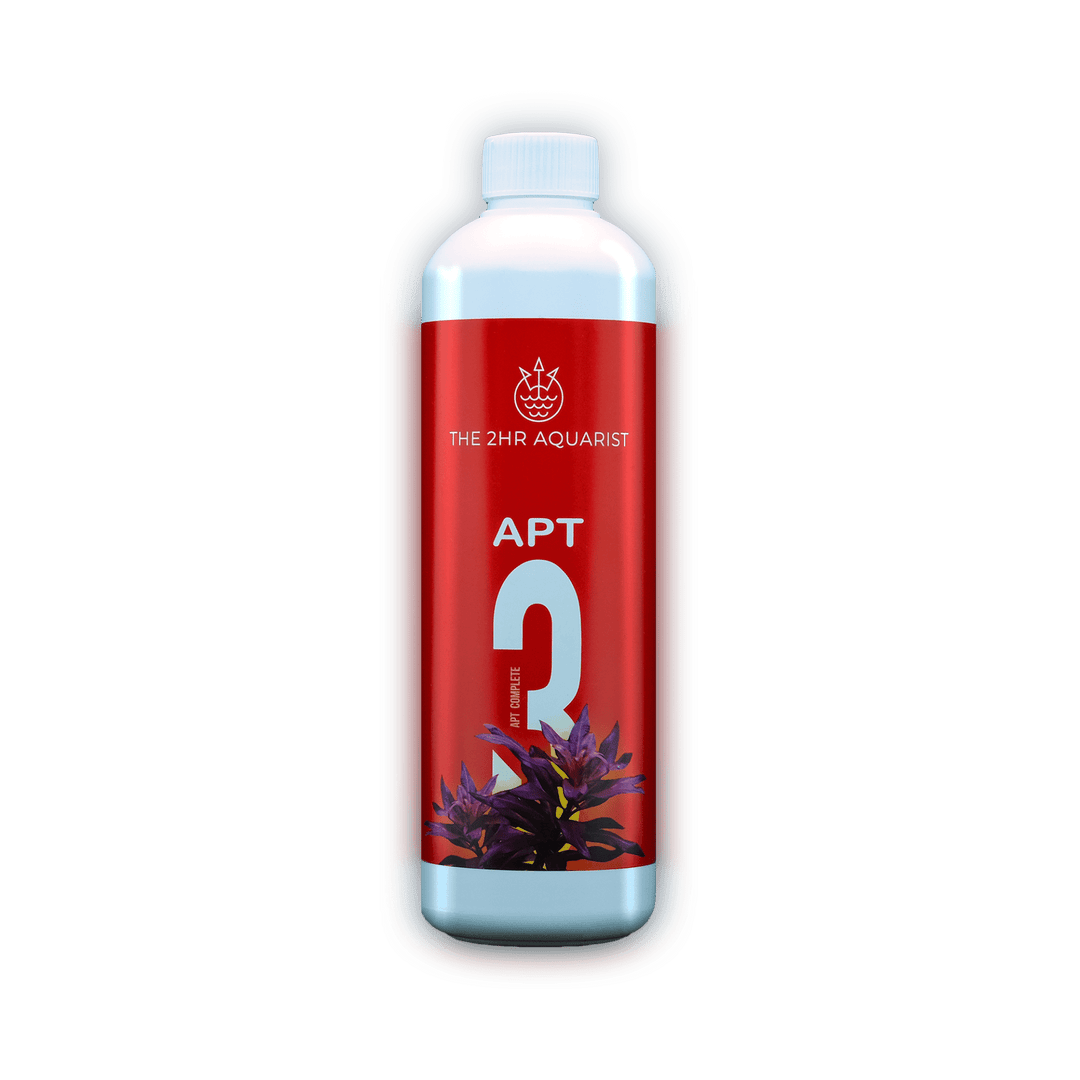
2HR AQUARIST · premium all-in-one · 500 mL
APT Complete
A concentrated, carefully balanced all-in-one aimed at demanding aquascapes — full macros, iron and traces in one bottle, with low copper so it stays shrimp-friendly. The enthusiast's default.
Read the review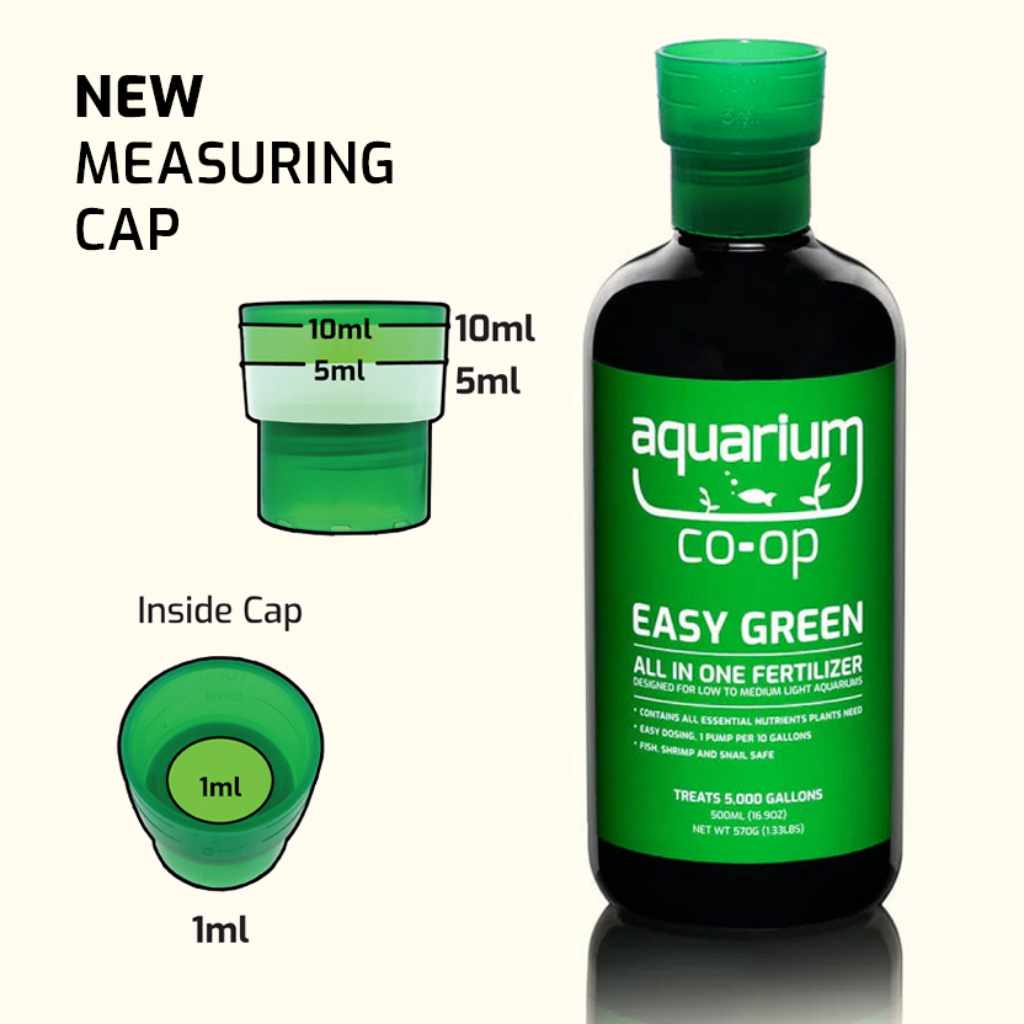
AQUARIUM CO-OP · all-in-one liquid · 236 mL
Easy Green All-in-One
The easiest way to feed a planted tank: one pump-bottle of balanced NPK plus iron and traces, dosed a couple of times a week. Forgiving, fish-safe and hard to get wrong.
Read the review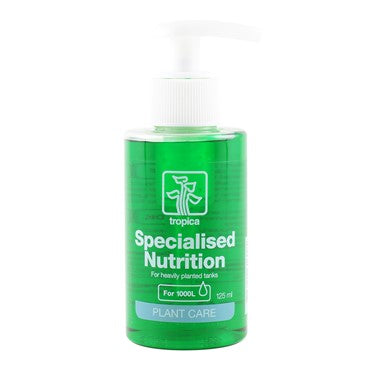
TROPICA · all-in-one liquid · 300 mL
Specialised Nutrition
The European planted-tank staple: a complete all-in-one with macros, iron and micros for tanks with plenty of plants. Weekly dosing with a tidy pump makes it easy to live with.
Read the review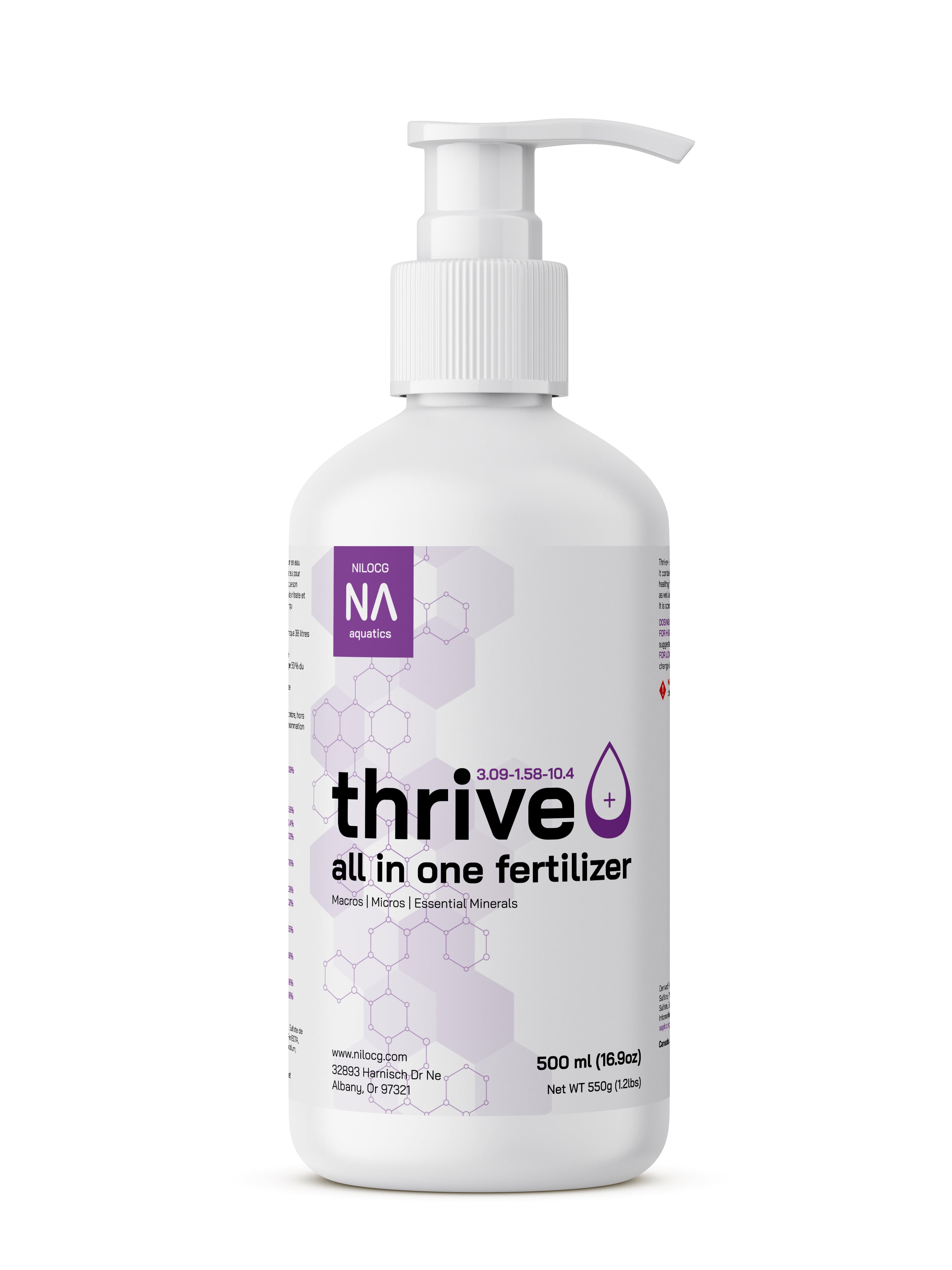
NILOCG · all-in-one liquid · macros + micros · 500 mL
NilocG Thrive
A highly concentrated all-in-one liquid that bundles macros and micros in one pump bottle. Aimed squarely at medium-to-high-tech planted tanks, it dilutes to cover a huge volume, making it one of the best-value complete ferts going.
Read the review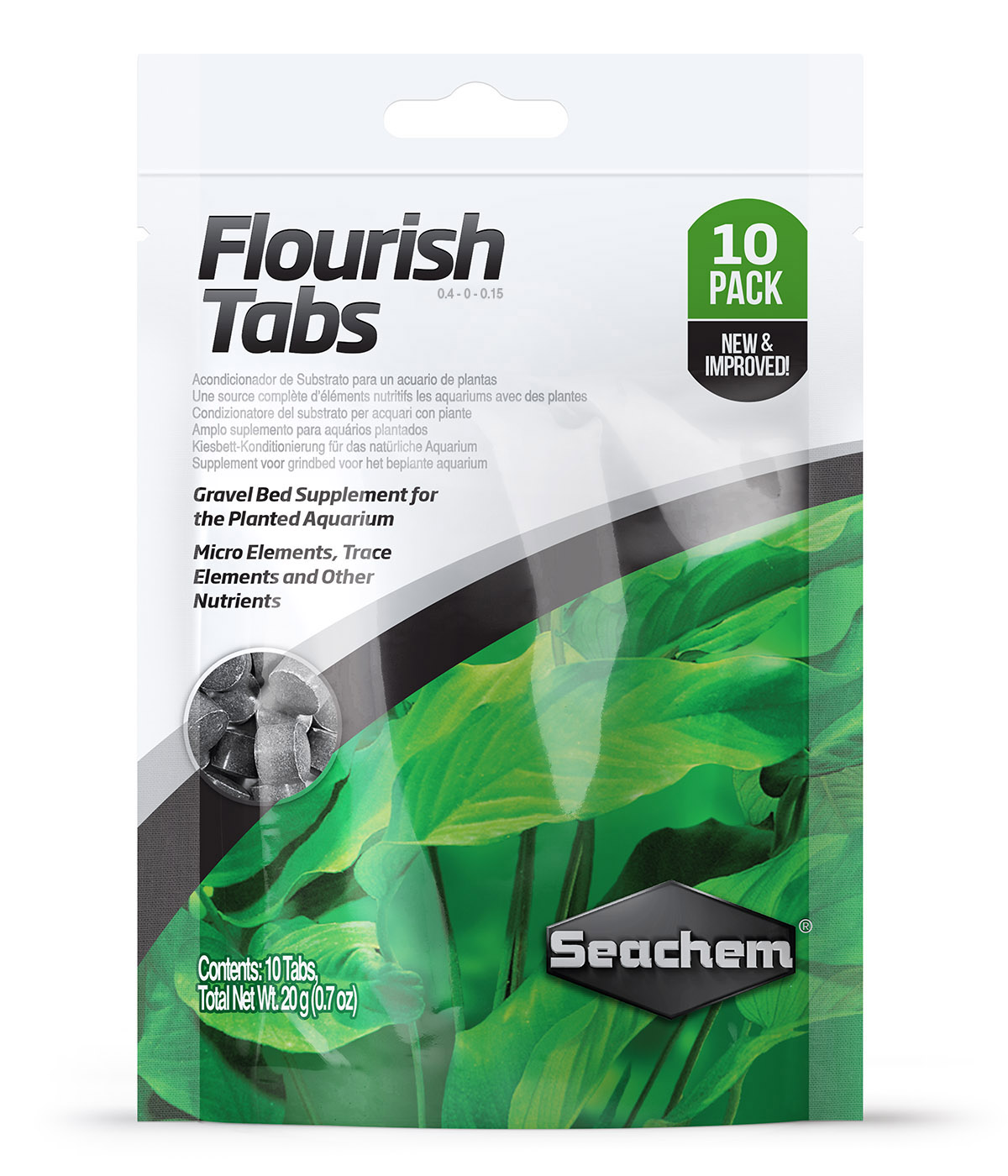
SEACHEM · root tabs · 40 caps
Seachem Flourish Tabs
Gravel-planted root tablets that feed hungry root-feeders directly at the source. The perfect partner to a water-column liquid for swords, crypts and other heavy feeders.
Read the review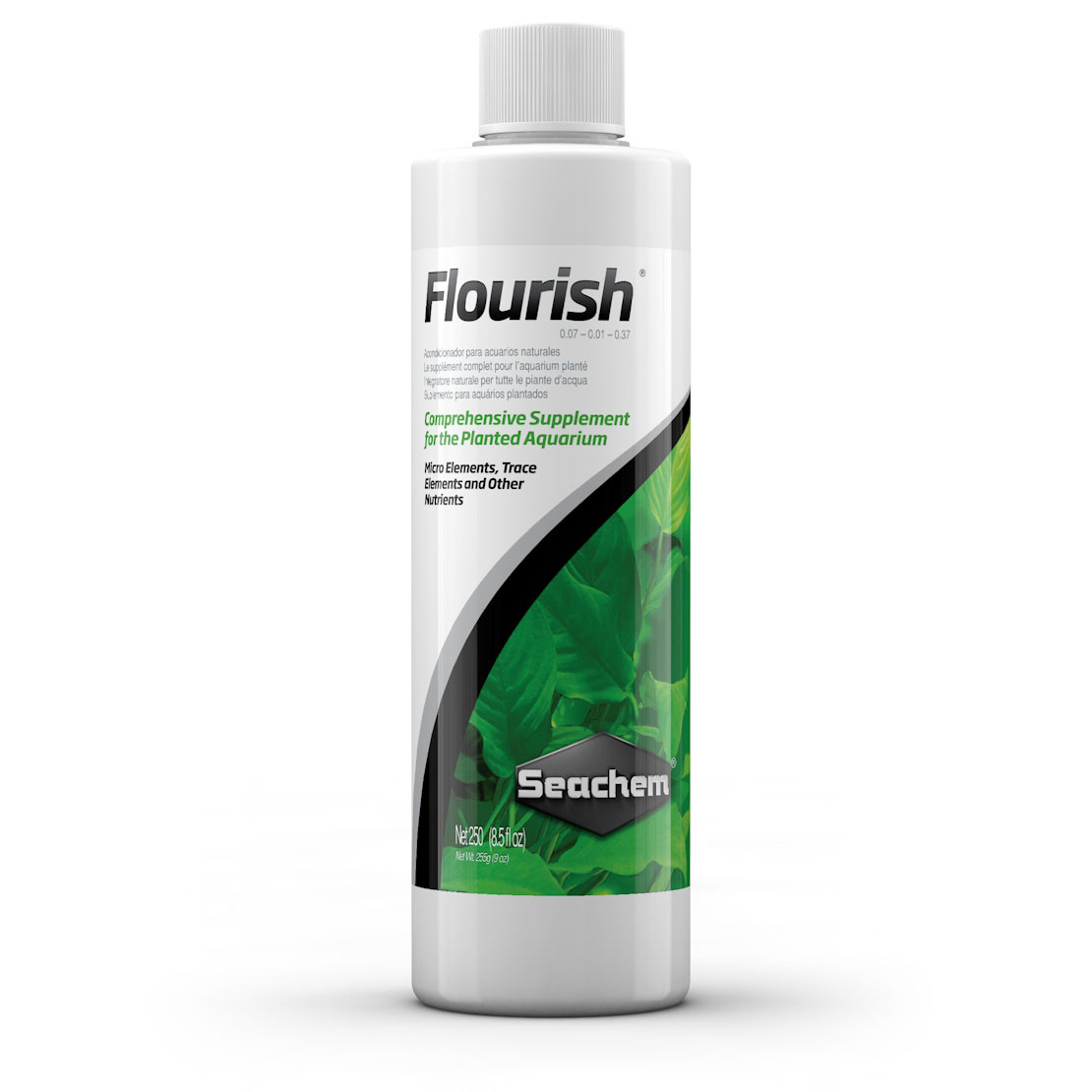
SEACHEM · comprehensive supplement · 500 mL
Seachem Flourish
A long-standing comprehensive supplement rich in iron, trace elements and micros. Excellent alongside a nitrogen source in low-tech tanks, though on its own it is light on macros.
Read the review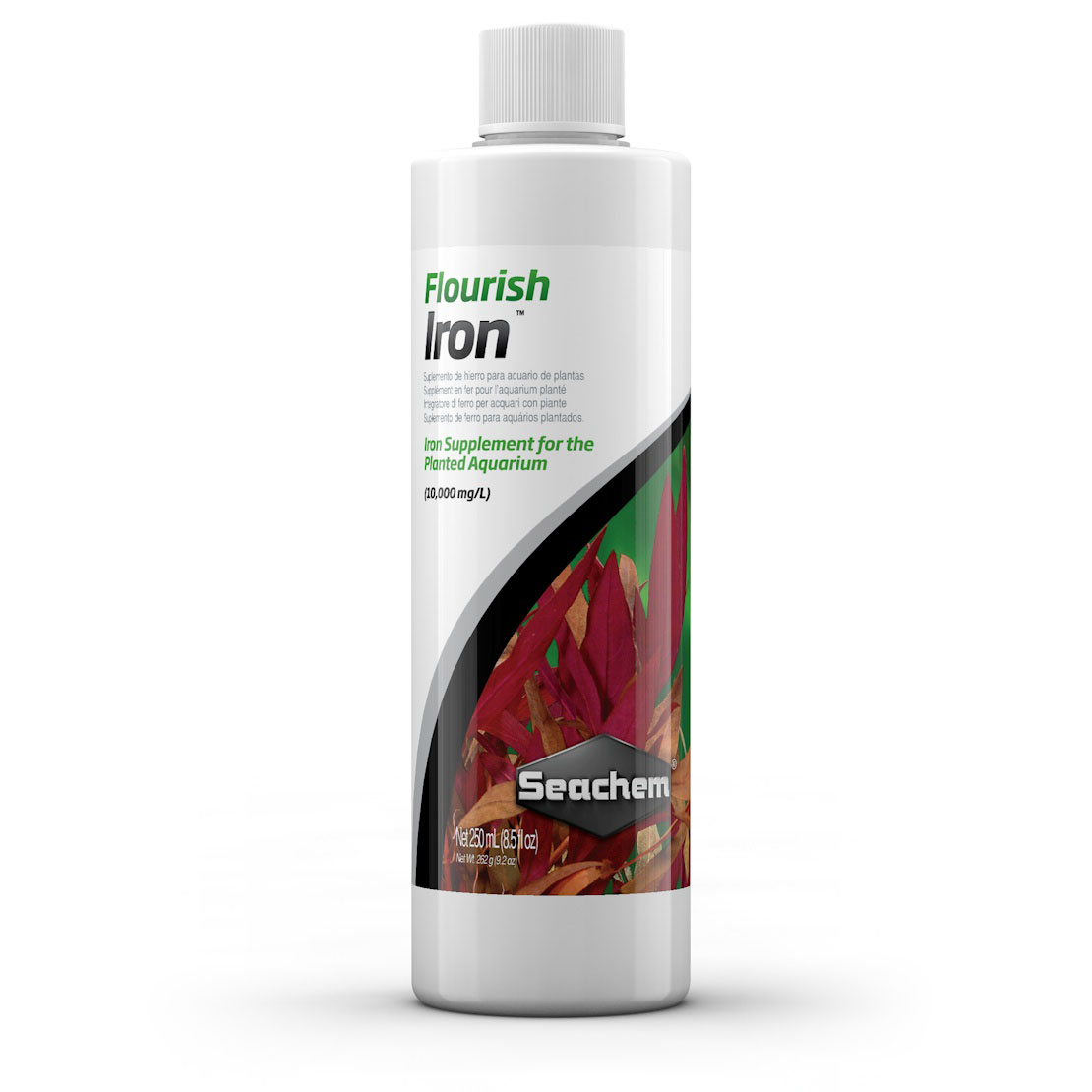
SEACHEM · iron supplement · 500 mL
Seachem Flourish Iron
A targeted iron supplement for tanks whose plants — especially reds — want more iron than an all-in-one provides. A booster, not a standalone fertiliser.
Read the review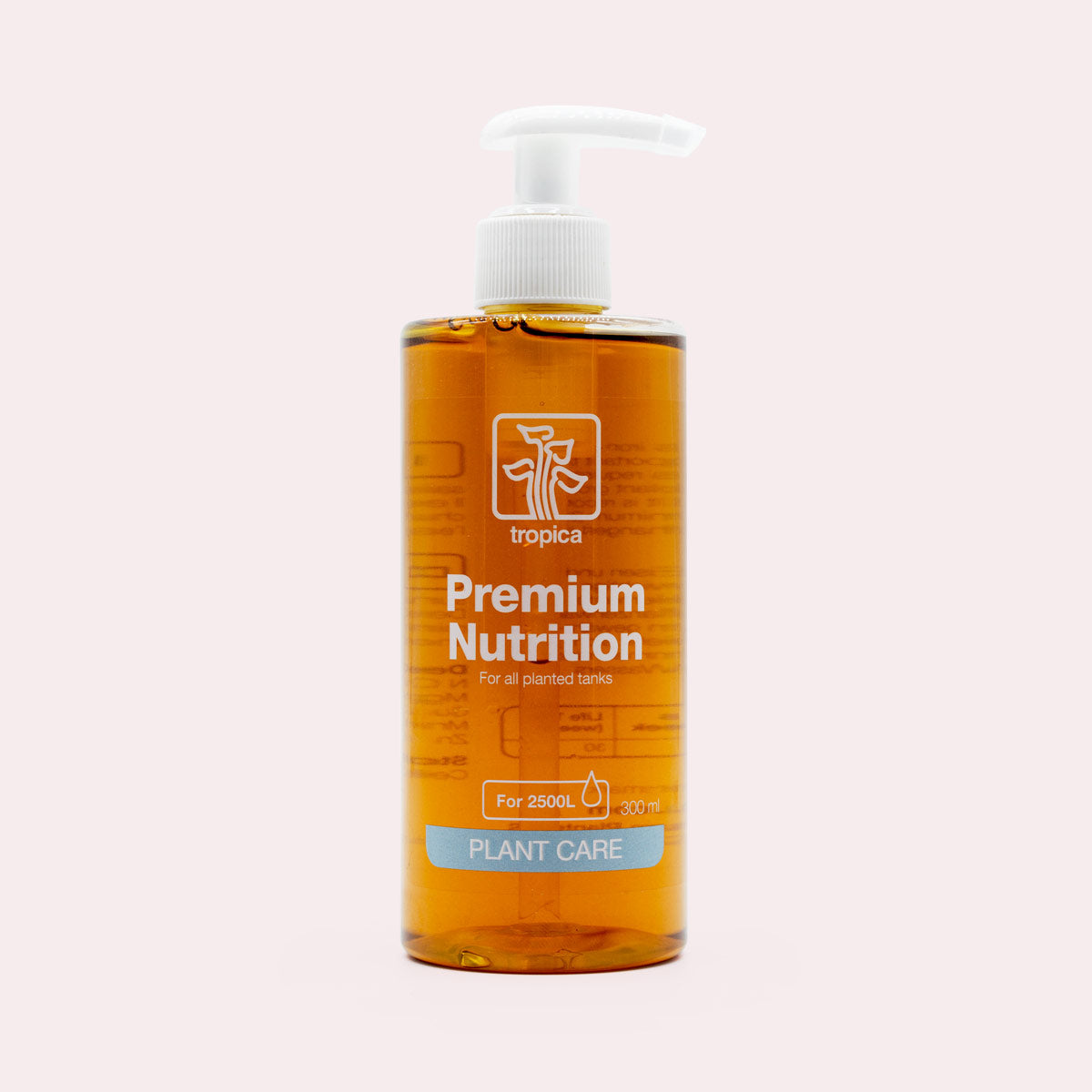
TROPICA · micro + trace · no N/P · 300 mL
Tropica Premium Nutrition
The micro-focused half of Tropica's liquid range: iron, potassium and trace elements with no nitrogen or phosphorus. Purpose-built for lightly-stocked low-tech tanks where fish waste already supplies the macros.
Read the review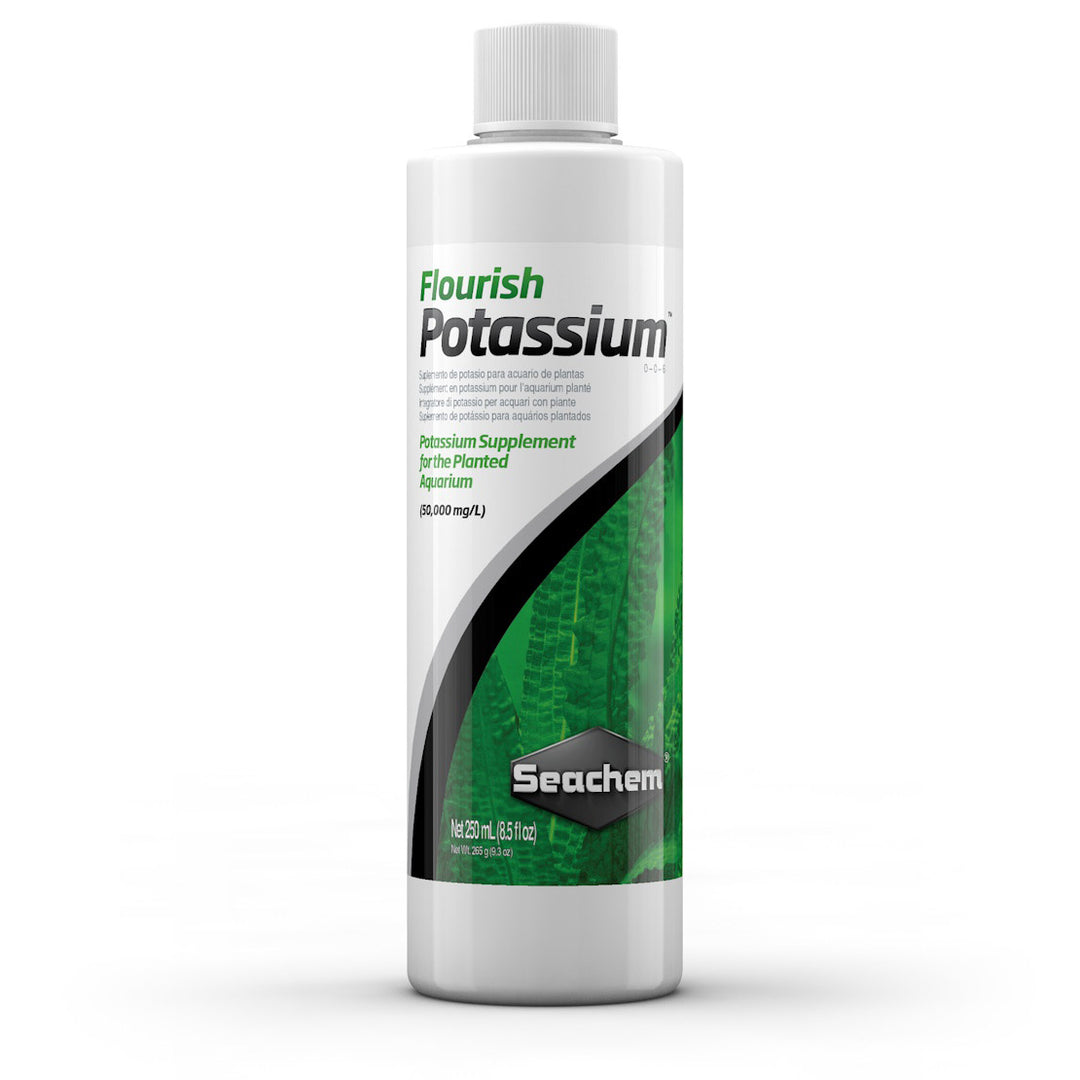
SEACHEM · single element · potassium · 500 mL
Seachem Flourish Potassium
A single-element potassium supplement for keepers who dose by components. It does one job — raise potassium without touching nitrogen or phosphorus — which makes it the fix for pinholes in leaves, not a standalone feed.
Read the review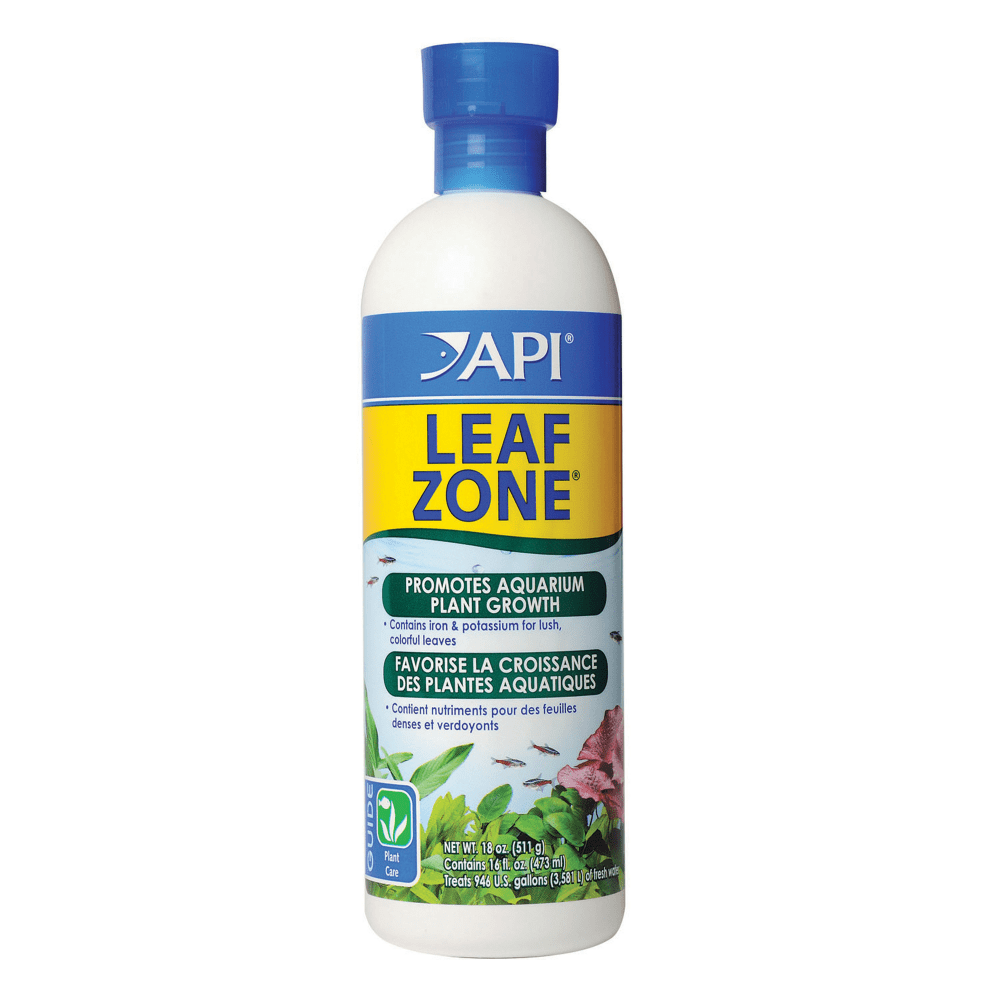
API · potassium + chelated iron · 8 oz
API Leaf Zone
The fertiliser you find on every big-box shelf: cheap, simple, and just potassium plus chelated iron. Fine as a first fertiliser for easy low-tech plants, but it lacks nitrogen and phosphorus, so it is not a complete feed.
Read the reviewFound your model? Buy it at the right price.
UniverTrack tracks the real price of your aquarium gear across several retailers, spots fake discounts and warns you when it's genuinely the right moment to buy — with an AI assistant to guide you.
Which one for which need
Treating a large tank over time
The stated yield tells you how many litres a bottle covers. On a large tank dosed weekly, that figure decides the real cost.
Dosing a small tank precisely
Fine dosing lets you adjust on small volumes, where a full dose would be a substantial overdose.
Who each type suits
- Planted tank without CO2
- A complete fertiliser at a low dose is enough. Too much fertiliser without the light and CO2 to match it feeds algae first.
- Brightly lit tank
- Strong light accelerates uptake: plants exhaust the nutrients and show deficiencies quickly. Fertiliser then becomes essential.
- Rooted plants
- Foreground plants feed mainly through their roots. Capsules or tablets placed at the base do more than a liquid fertiliser.
The trade-offs to weigh
- Fertiliser against algae
- Excess nutrients feed algae as much as plants. The balance between light, CO2 and fertiliser is what decides which of the two benefits.
- Liquid against root feeding
- Liquid feeds leafy plants and stems; tablets feed strongly rooted ones. Many tanks need both.
- Complete against separate
- A complete fertiliser is simple and imposes a fixed ratio between elements. Separate fertilisers let you correct a specific deficiency, provided you know which one.
Questions buyers ask
Should I fertilise a new tank?
Not in the first few weeks: a nutrient substrate already supplies plenty, and excess would favour algae during the most fragile phase.
How often should I dose?
Usually once a week, often after the water change. Splitting the dose across several days gives more even availability.
Does fertiliser cause algae?
Excess does. But so does deficiency: plants that do not grow leave the field to algae. It is the balance that matters, not abstinence.
How do I recognise a deficiency?
Yellowing leaves, holes in leaves, stalled growth. The exact pattern varies with the missing element, and shows on old or new leaves depending on which.
Liquid or tablets?
Liquid for leafy plants and stems, tablets at the base of strongly rooted ones. The two are often complementary.
Should I fertilise without CO2?
Yes, at a reduced dose. Without CO2 growth is limited and heavy fertilising only serves the algae.
Is fertiliser dangerous for fish?
At the intended doses, no. A significant overdose, particularly of copper with shrimp, definitely is.
Should I stop dosing when algae appear?
Reducing light before fertiliser gives better results. Cutting fertiliser starves the plants and hands the tank to the algae.
What to remember
Fertiliser is neither the cause nor the cure for algae: it is the balance between light, CO2 and nutrients that decides which of the two grows. Dose lightly and regularly, feed rooted plants at the base, and cut light before fertiliser when algae take hold.