The best fish food & feeders for 2026
Good food means better colour, growth and fewer health problems. We compare flakes, pellets and shrimp foods on ingredient quality and value, and cover automatic feeders for keeping fish fed while you are away.
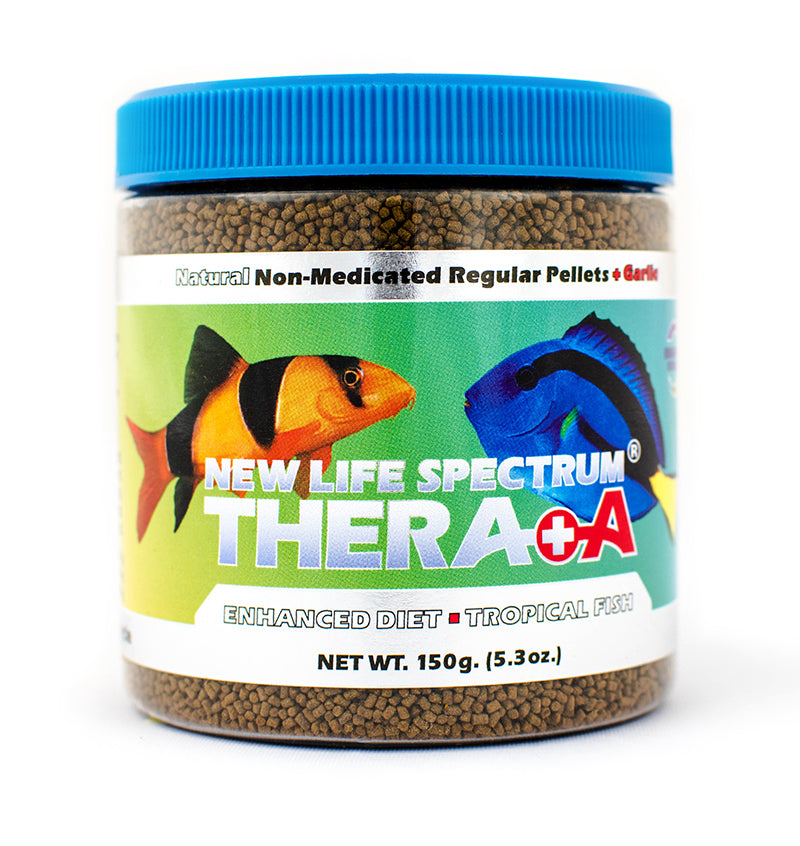
NEW LIFE SPECTRUM · 1 mm sinking pellet · all-natural, garlic
New Life Spectrum Thera+A Regular
A dense, all-natural sinking pellet that many keepers treat as a near-complete diet: high-quality marine proteins, natural colour enhancers and added garlic that fish find irresistible.
Read the review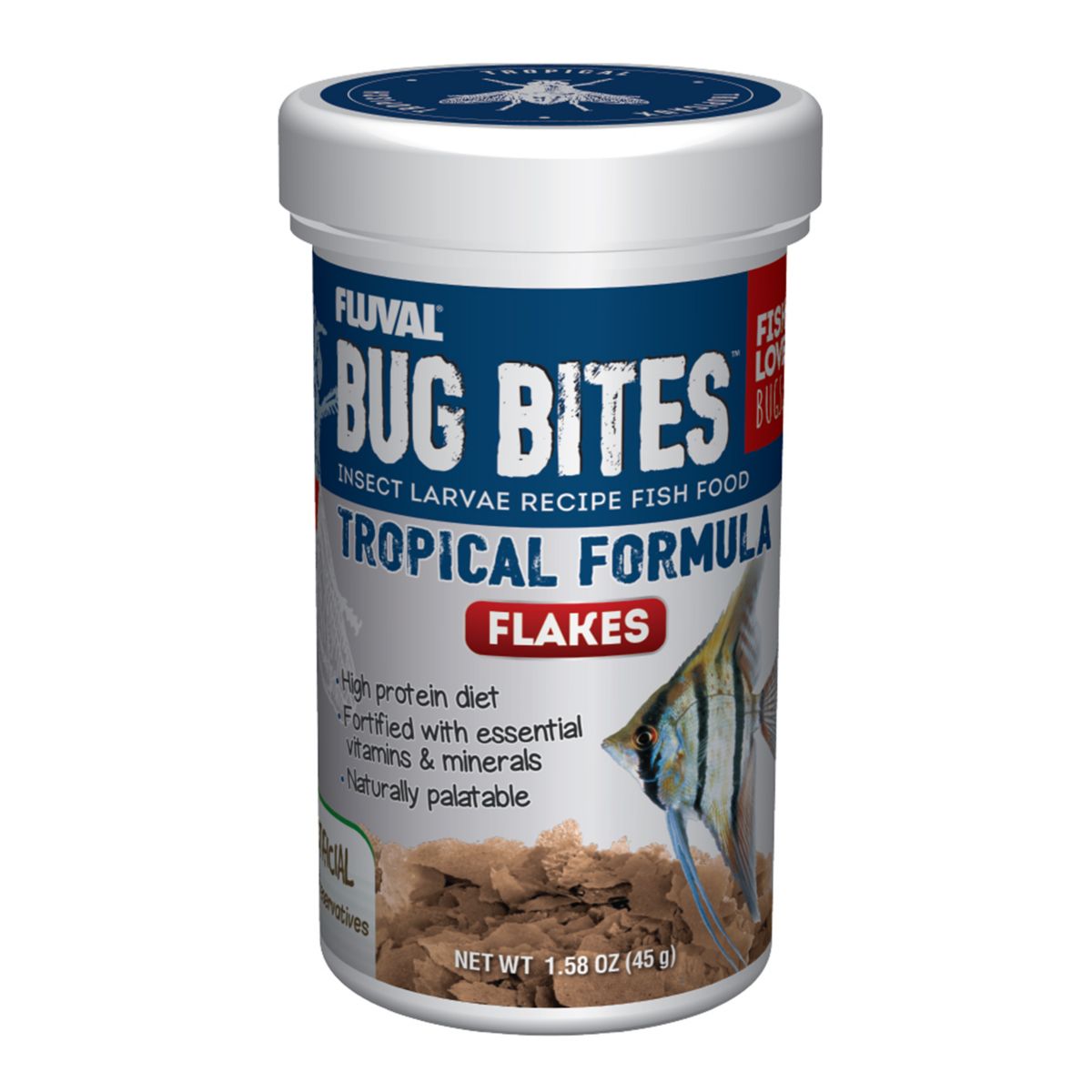
FLUVAL · staple tropical flake · insect-based
Fluval Bug Bites Tropical Flakes
An insect-larvae flake that works as a daily staple for most community fish — high protein, readily eaten and easy to portion, so it is our default everyday food.
Read the review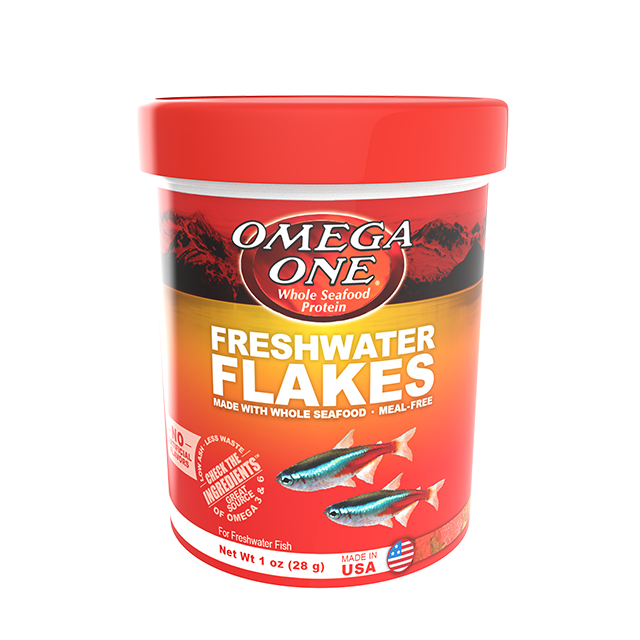
OMEGA ONE · whole-seafood flake · natural colour boost
Omega One Freshwater Flakes
A flake built from whole fresh seafood rather than meals, so it is rich in natural pigments that bring out reds and oranges — and it clouds the water noticeably less than most flakes.
Read the review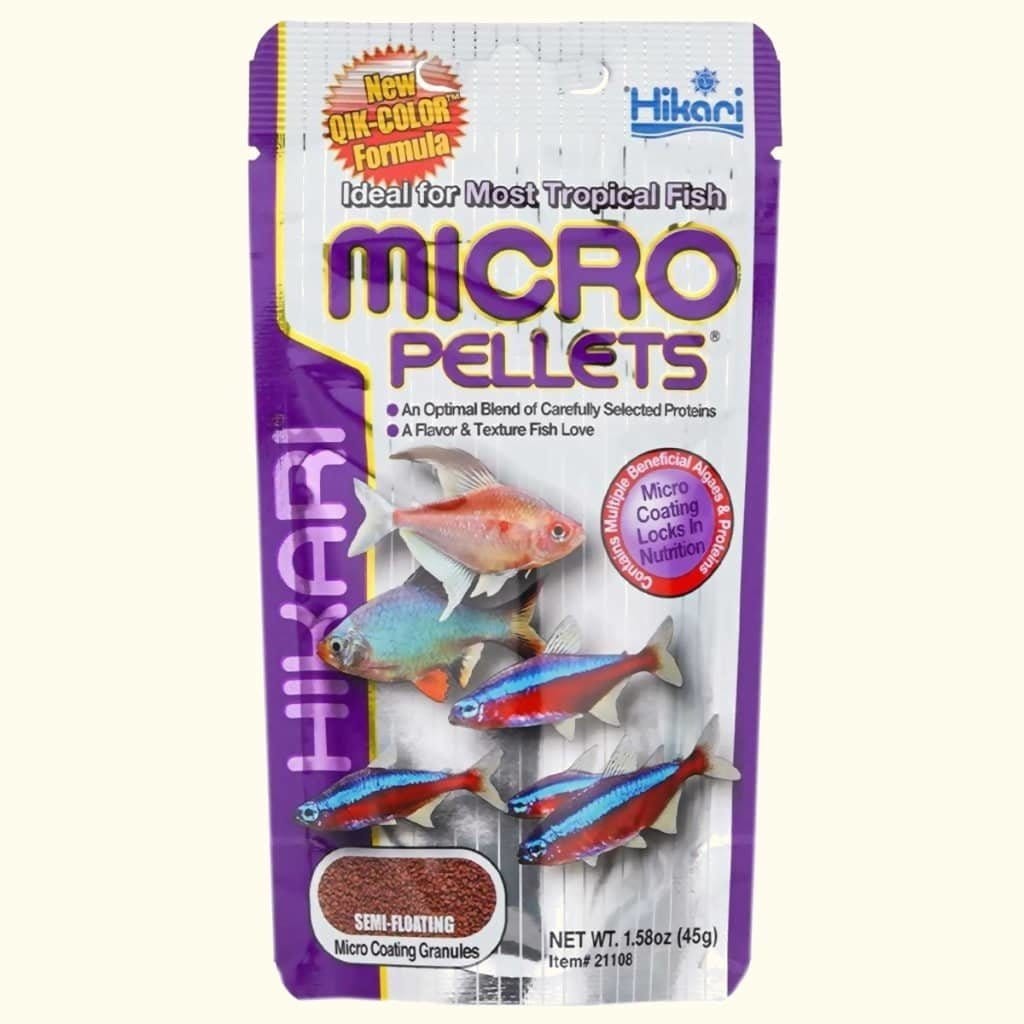
HIKARI · semi-floating micro pellet · small fish
Hikari Tropical Micro Pellets
A tiny, slow-sinking pellet sized for small mouths — great for tetras, rasboras and other nano community fish that struggle with bigger granules.
Read the review
XTREME · krill + spirulina flake · made in USA
Xtreme Community Crave Flake
A high-protein krill-and-spirulina flake with a cult following among hobbyists: no hormones or artificial colour, strong palatability and a balanced amino-acid profile for growth and colour.
Read the review
HIKARI · sinking algae wafer · bottom feeders
Hikari Algae Wafers
The original sinking algae wafer — a vegetable-and-spirulina disc that drops straight to the bottom for plecos, otos, corydoras, loaches and shrimp.
Read the review
EHEIM · auto feeder · programmable · 100 ml
Eheim Everyday Fish Feeder
The programmable battery feeder most keepers end up recommending — a large hopper, up to eight feeds a day and a ventilation system that keeps flake and granules from clumping.
Read the review
TETRA · floating staple flake · top/mid feeders
TetraMin Tropical Flakes
The default community flake for a reason: a nutritionally balanced, widely available staple that top- and mid-water fish eat readily, at a price that makes daily feeding painless.
Read the review
FLUVAL · betta micro-granule · 30 g
Fluval Bug Bites Betta
An insect-based micro-granule sized and shaped for bettas — slow-sinking pellets a betta can eat one at a time, which makes portioning easy.
Read the review
HIKARI · sinking shrimp wafer · 10 g
Hikari Shrimp Cuisine
A tiny sinking wafer made for freshwater shrimp — seaweed, algae and copper-inclusive nutrition for caridina and neocaridina colonies.
Read the reviewFound your model? Buy it at the right price.
UniverTrack tracks the real price of your aquarium gear across several retailers, spots fake discounts and warns you when it's genuinely the right moment to buy — with an AI assistant to guide you.
Which one for which need
Feeding several tanks or large fish
A large container costs less per gram, provided you finish it before the vitamins degrade.
A small, lightly stocked tank
A small container is finished before it loses its qualities. A large tub open for two years feeds poorly.
Who each type suits
- Community tank
- A staple flake or pellet food, supplemented occasionally with a frozen food, covers most common species.
- Bottom-dwelling fish
- Flakes do not sink fast enough: sinking wafers are the only way to actually feed bottom species.
- Fry and small species
- Particle size decides everything: a pellet that is too large simply is not eaten, whatever its quality.
The trade-offs to weigh
- Large tub against freshness
- A large tub costs less per gram and loses vitamins once opened. Six months is a sensible maximum for an opened container.
- Flakes against pellets
- Flakes float and suit surface feeders; pellets sink at varying rates and foul the water less.
- Variety against simplicity
- Varying the diet improves colour and health and multiplies the half-used tubs going stale. Two well-chosen foods are often enough.
Questions buyers ask
How many times a day should I feed?
Once or twice, in very small amounts. Overfeeding is the leading cause of water problems in home aquaria.
How much should I give?
What is eaten within one to two minutes. Anything that reaches the substrate and stays there pollutes the tank.
Should I fast the fish one day a week?
It is a common and beneficial practice for most adult species. It does not suit fry or certain herbivores.
How long can I keep an opened tub?
A few months: vitamins degrade with air and light. A two-year-old tub feeds without providing much.
How do I feed bottom-dwellers?
With sinking wafers given after lights out, when bottom species emerge and the others have settled.
Can I go on holiday?
A week without food poses no problem for healthy adult fish. Holiday blocks often pollute more than they feed.
Should I vary the food?
Two different foods cover the essentials. An occasional frozen food is appreciated and encourages natural behaviour.
How should food be stored?
Tub firmly closed, dry, away from light and heat. Not above the tank, where water vapour enters every time it is opened.
What to remember
Feed what is eaten in one to two minutes, once or twice a day: overfeeding is the leading cause of water problems. Buy containers you will finish within a few months, and keep the tub anywhere but above the tank.