The best aquarium maintenance & cleaning gear (2026)
The easier maintenance is, the more often you will do it — and consistency is what keeps a tank healthy. We compare gravel vacuums and water changers, algae scrapers and magnet cleaners that turn a chore into a ten-minute job.
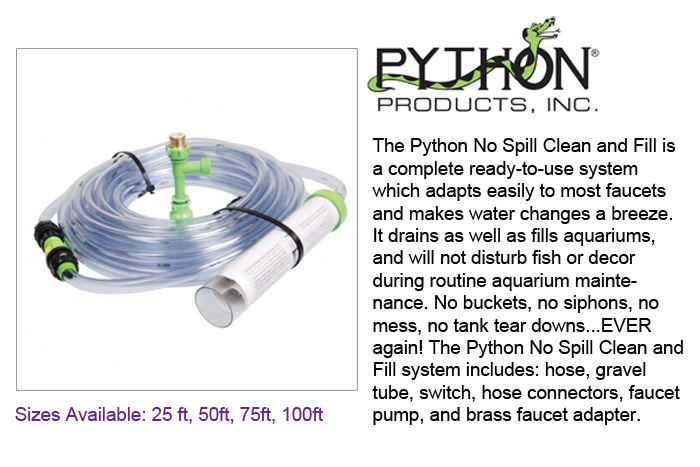
PYTHON · hose water changer · 25 ft · drains + fills from the tap
No Spill Clean & Fill (25 ft)
The hose that ends bucket duty: it siphons and refills straight from a tap, so a weekly water change on a big tank drops from a 30-minute chore to a 10-minute one you will actually keep up with.
Read the review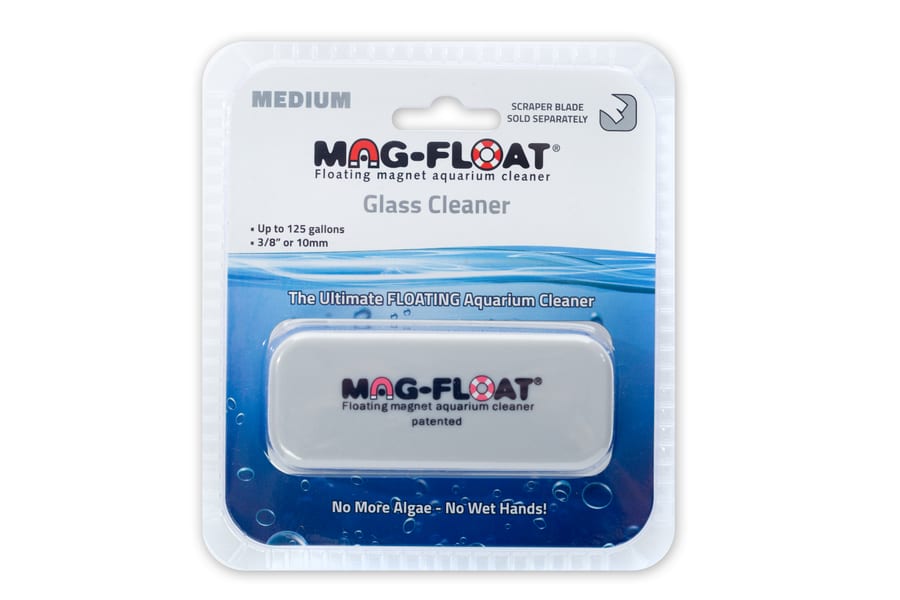
MAG-FLOAT · magnet cleaner · glass up to ~10 mm (3/8 in)
Mag-Float 125 (Medium, glass)
The floating magnet that wipes algae film off the inside glass from outside the tank in seconds — the daily-driver glass cleaner for any tank with glass up to about 10 mm.
Read the review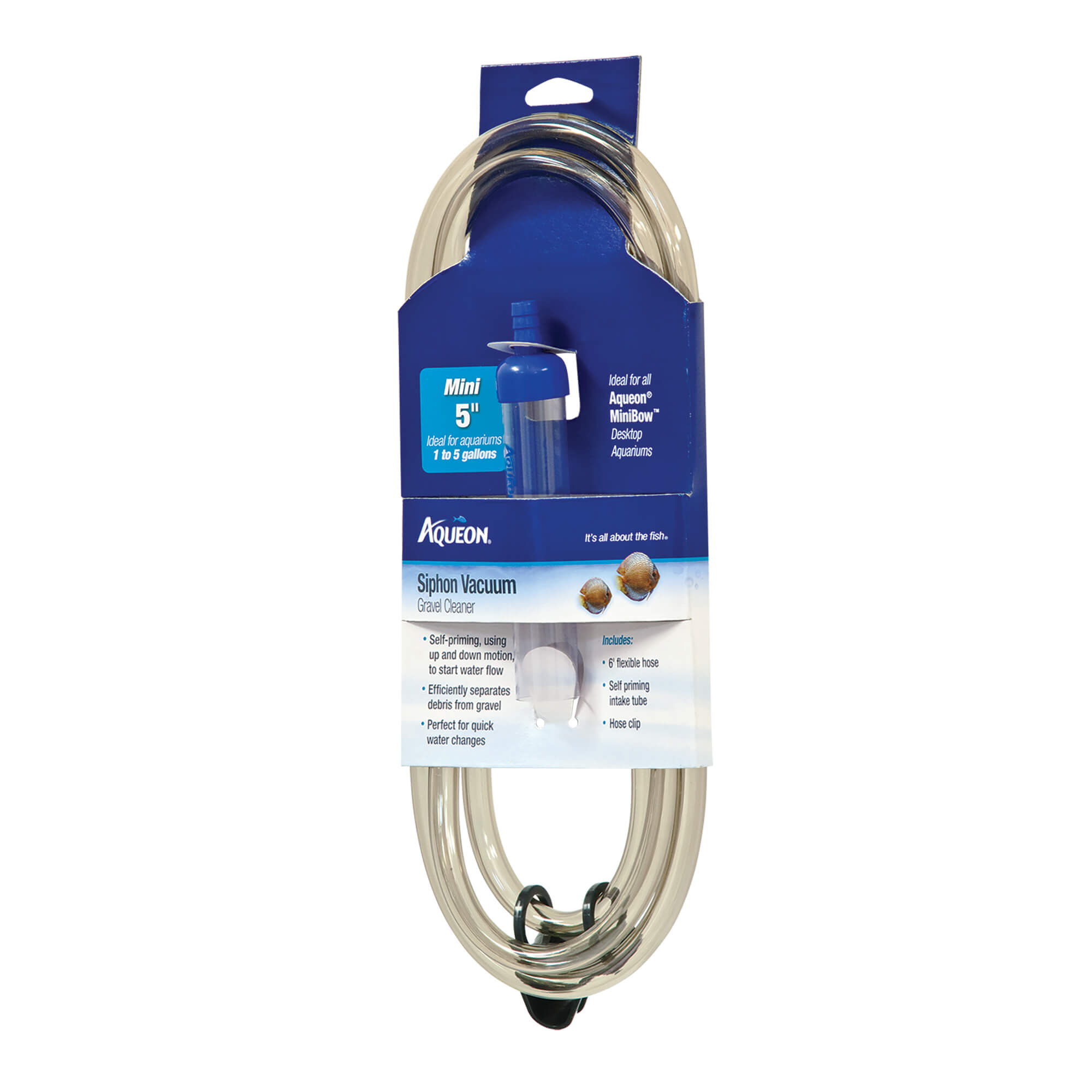
AQUEON · gravel vacuum siphon · 9 in tube · 15–35 gal tanks
Siphon Vacuum Gravel Cleaner (Medium, 9 in)
A self-priming bucket siphon that vacuums the gravel while it drains — the cheapest tool that genuinely improves water quality, and the right pick for any tank you can still change with a bucket.
Read the review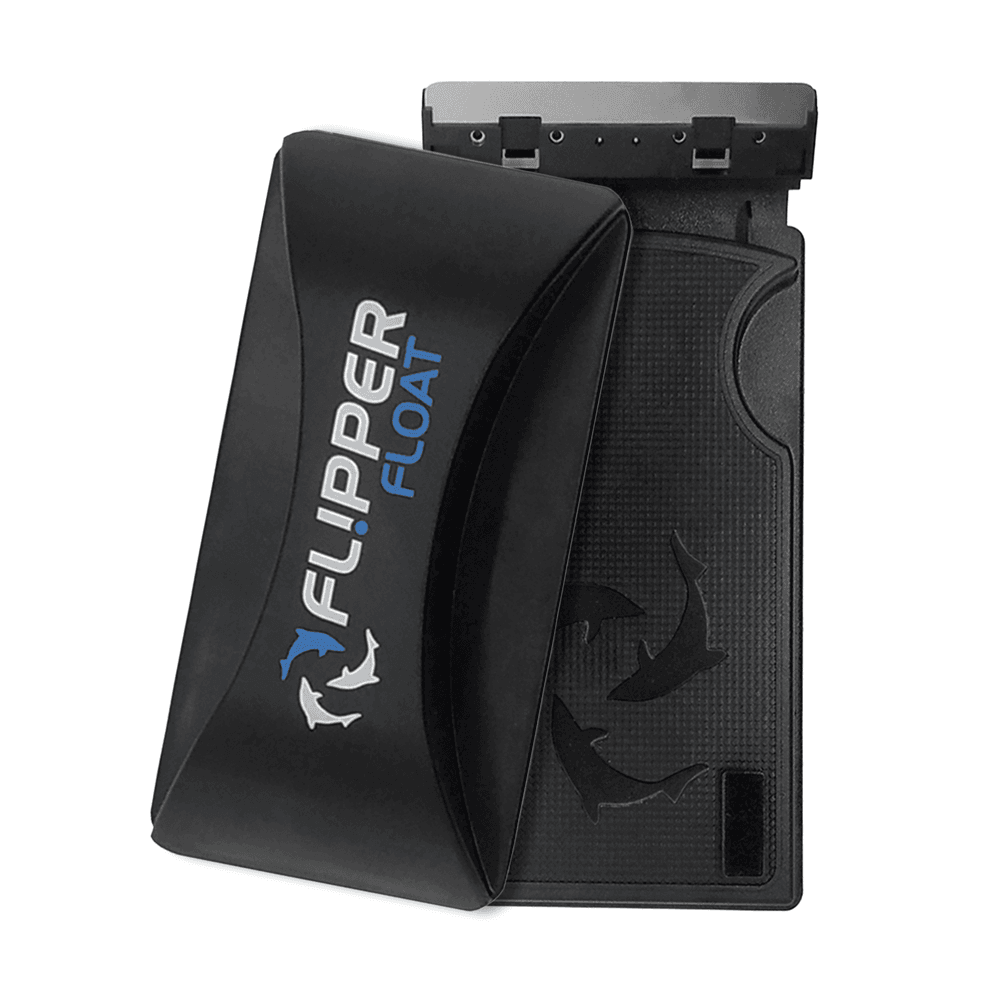
FLIPPER · magnet scraper · scrub + steel blade · glass up to 12 mm (1/2 in)
Flipper Standard 2-in-1
A 2-in-1 magnet that flips from felt scrubber to stainless blade with a twist of the handle — for the hard, crusty spot algae a plain felt magnet slides straight over.
Read the review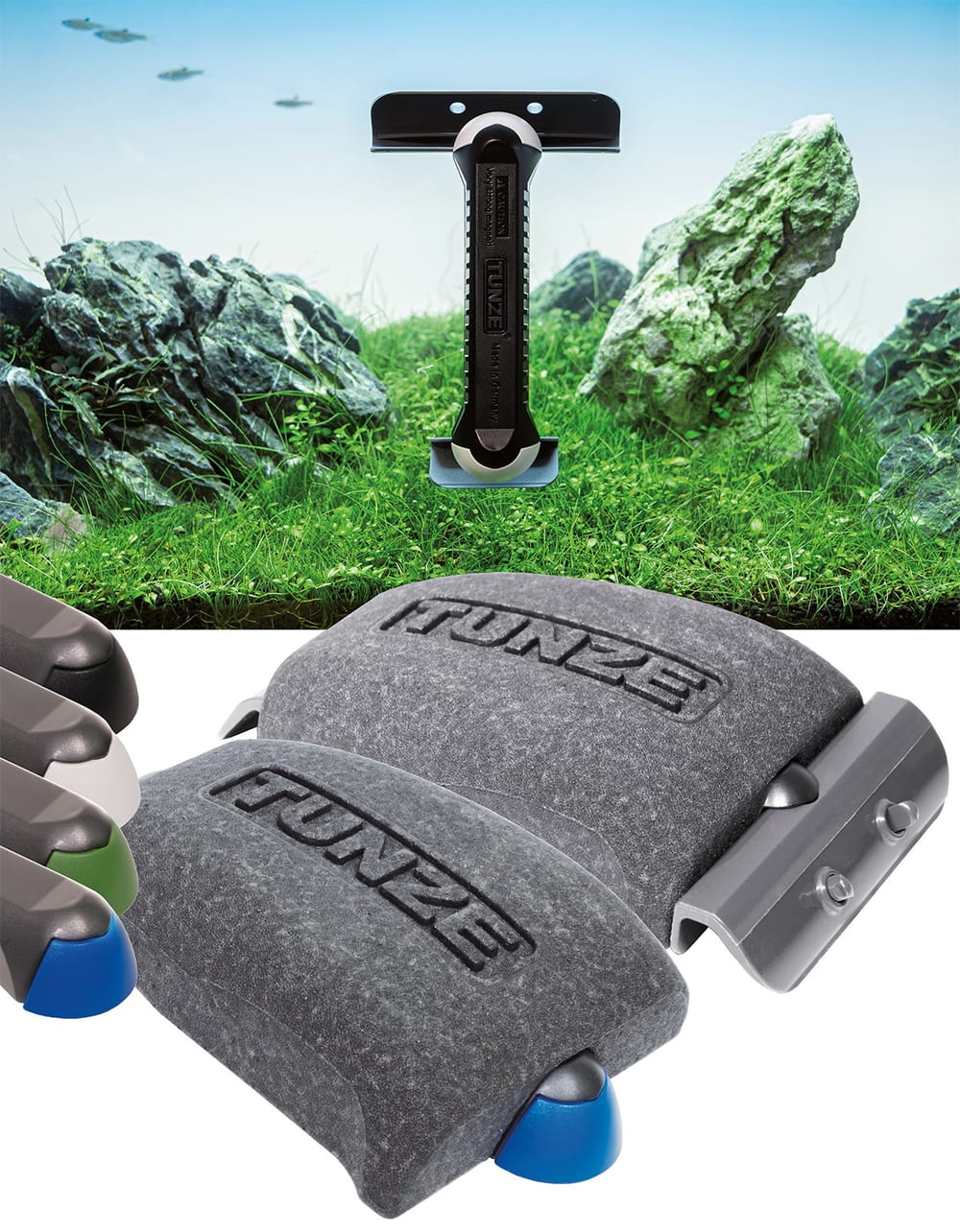
TUNZE · floating magnet cleaner · up to 1 in glass
Tunze Care Magnet Strong
A German-made magnet cleaner engineered to reduce scratching: the inner magnet sits a few millimetres off the glass so trapped grit is less likely to score it, and the outer half floats if it separates.
Read the review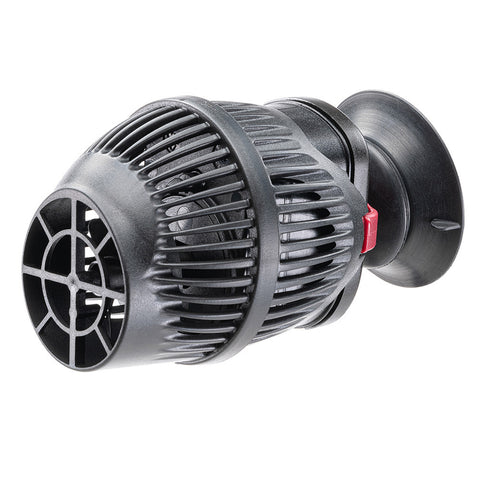
HYDOR · circulation pump · 425 GPH / 1600 L/h · magnet mount
Koralia Nano 425 GPH
A low-watt, magnet-mount circulation pump that erases the dead spots a filter leaves behind — keeping detritus moving toward the intake and the surface gassing off, for pennies a month.
Read the review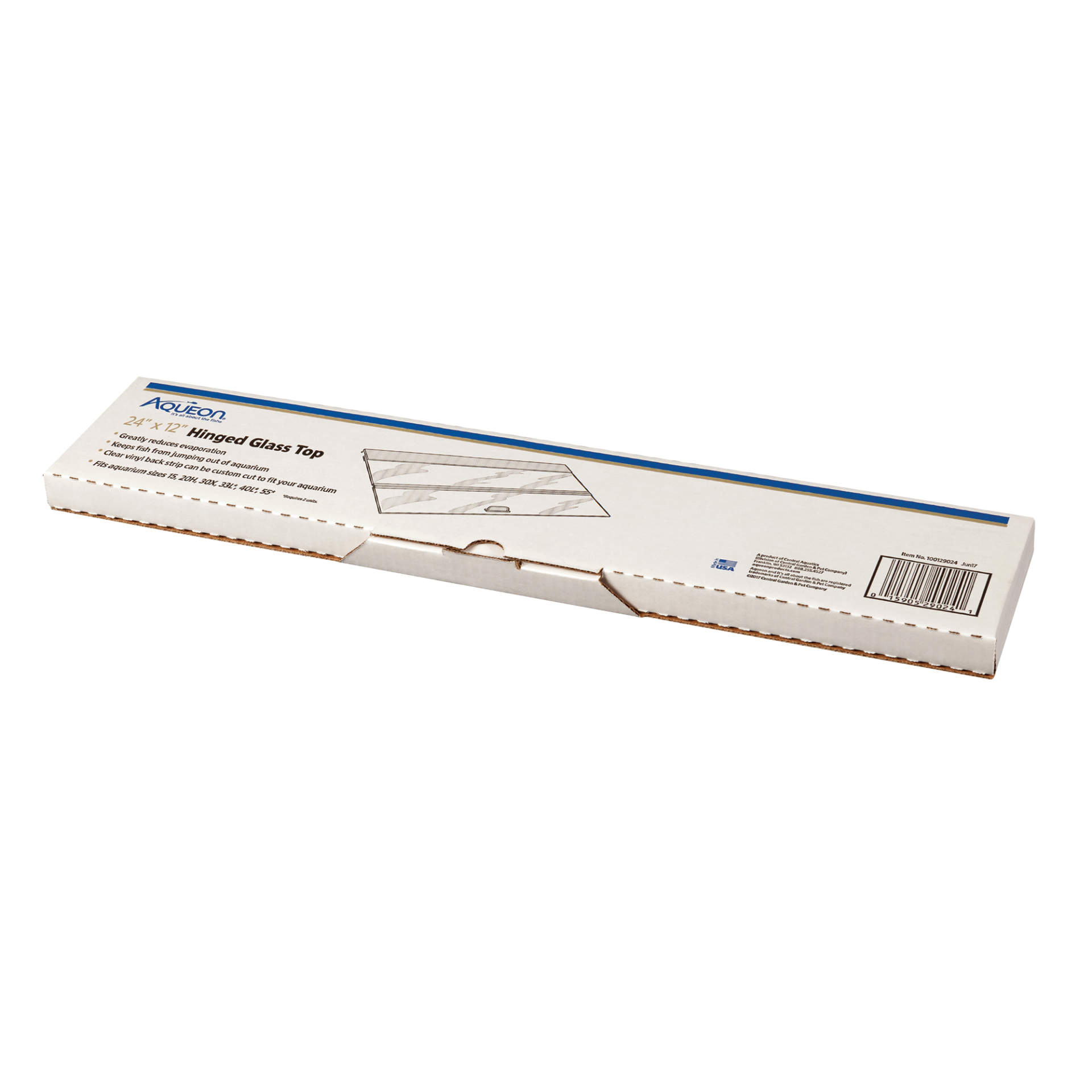
AQUEON · hinged glass lid · cuts evaporation + jumpers
Aqueon Versa-Top Hinged Glass Lid
A tempered-glass hinged lid that stops fish jumping, slows evaporation and keeps dust out — a quietly essential piece of maintenance kit that many open-top keepers wish they had bought sooner.
Read the review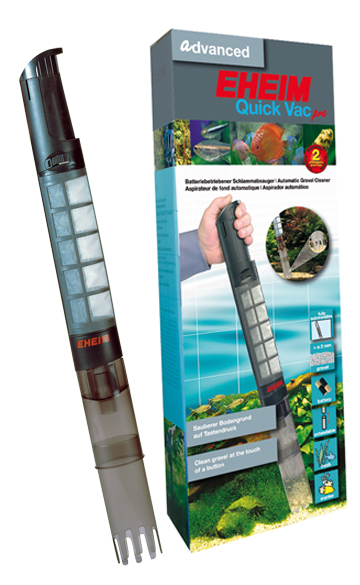
EHEIM · battery gravel cleaner · no buckets, no hoses
Eheim Quick Vac Pro
A battery-powered gravel cleaner that lifts mulm without draining the tank: it traps debris in a mesh cartridge and returns the water, so you can spot-clean between water changes without a bucket in sight.
Read the review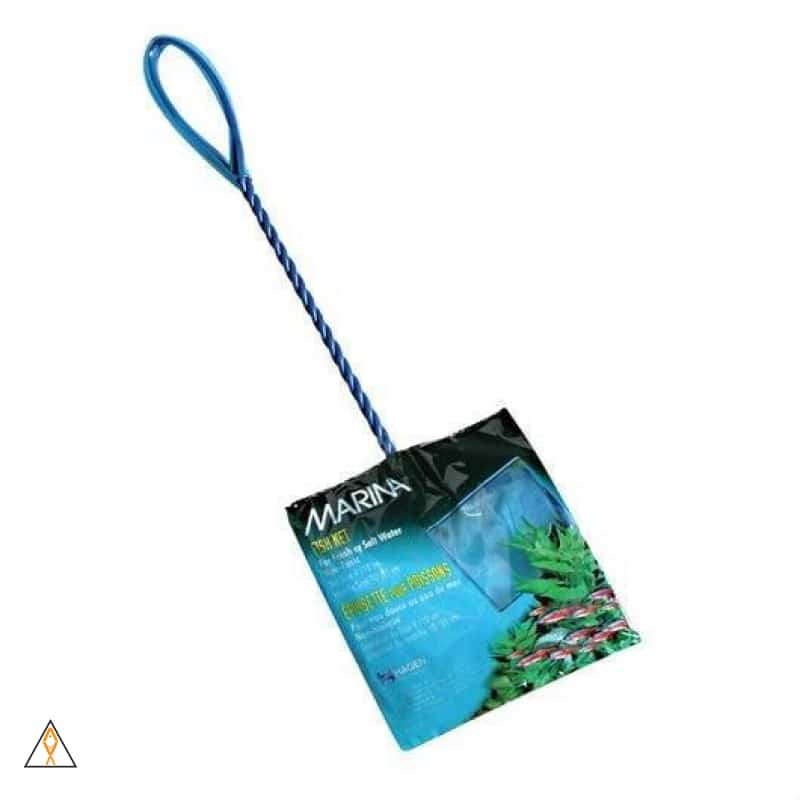
MARINA · fine-mesh fish net · 6 in · 12 in coated handle
Fine Nylon Net (6 in, 12 in handle)
A fine soft-mesh net that is gentle on fins and doubles as a daily surface skimmer — the pocket-change essential that belongs in every maintenance kit.
Read the review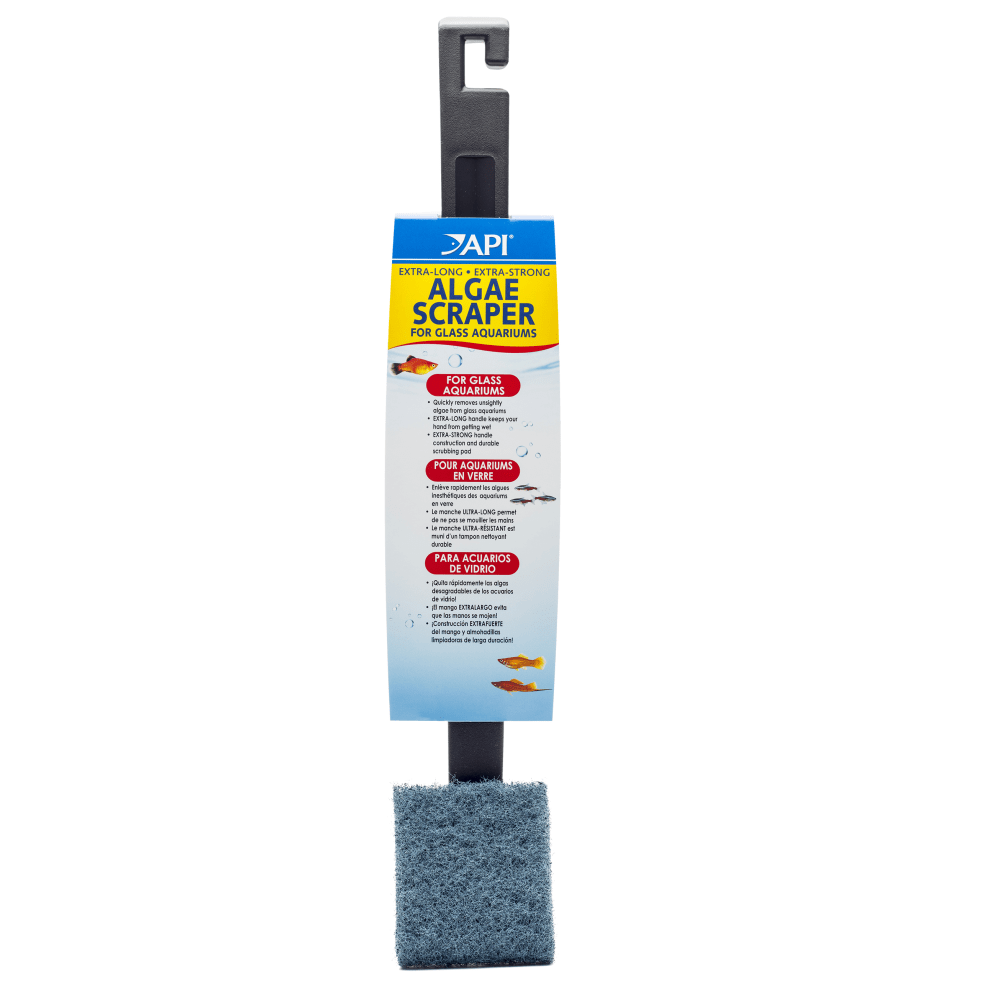
API · long-handled blade scraper · glass tanks
API Algae Scraper (Glass Aquariums)
A long-handled scraper with a replaceable blade that shifts the hard green spot algae a magnet cleaner just polishes over — and keeps your hand and sleeve out of the water while doing it.
Read the reviewFound your model? Buy it at the right price.
UniverTrack tracks the real price of your aquarium gear across several retailers, spots fake discounts and warns you when it's genuinely the right moment to buy — with an AI assistant to guide you.
Which one for which need
Equipping yourself once and for all
A siphon, an algae magnet, a net and a dedicated bucket cover maintenance for years. It is a one-off purchase that makes the routine sustainable.
The essentials of maintenance
A gravel siphon and a bucket are enough to do a proper water change, which is the single most useful task of all.
Who each type suits
- Weekly routine
- The partial water change is what counts most. Everything else — glass, plant trimming — is secondary.
- Large tank
- A drain hose connected to a sink saves carrying buckets. On a tank over a hundred litres, that is what makes maintenance actually happen.
- Densely planted tank
- Curved scissors and long tweezers let you trim and replant without putting your hands everywhere or disturbing the substrate.
The trade-offs to weigh
- Water changes against stability
- Large water changes clean quickly and disturb parameters. Regular, moderate changes are far safer.
- Cleaning against bacteria
- A spotless tank where filter and substrate were cleaned on the same day loses its bacterial colony. Always space the interventions out.
- Magnet against scraper
- A magnet cleans without putting your hands in the water and can trap a grain of sand that scratches the glass. A scraper is safer and wetter.
Questions buyers ask
How often should I change water?
Usually once a week, on a fraction of the volume. A nitrate test before the change tells you whether the schedule suits.
What proportion should I change?
A moderate fraction, regularly, rather than a large volume occasionally. Big changes shift parameters abruptly.
Should I treat tap water?
Yes: chlorine and chloramines kill filter bacteria and irritate fish. A conditioner acts immediately.
Can I clean the filter and change water on the same day?
Better not: two simultaneous disturbances destabilise the bacterial colony. Space them a few days apart.
Do I need a dedicated bucket?
Absolutely. A bucket that has held detergent leaves residues that are enough to wipe out an entire tank.
How do I avoid stirring up the substrate?
Move the siphon slowly, zone by zone, without driving it fully into a nutrient substrate. On a technical substrate you siphon just above it.
Does replacement water need to be at temperature?
Approximately, yes. A large difference on a significant fraction of the volume is a thermal shock for the fish.
Should I clean the glass every time?
Only the front pane, for viewing. Algae on the side and back panes are food for some species.
What to remember
The regular partial water change is what counts most, far ahead of the glass. Always treat tap water, keep a bucket that has never seen detergent, and never service the filter on the same day as a water change.