The best aquarium water test kits & treatments (2026)
You cannot manage what you do not measure. We compare liquid test kits (far more accurate than strips), water conditioners and bacteria starters so you can cycle a new tank safely and keep an established one stable.
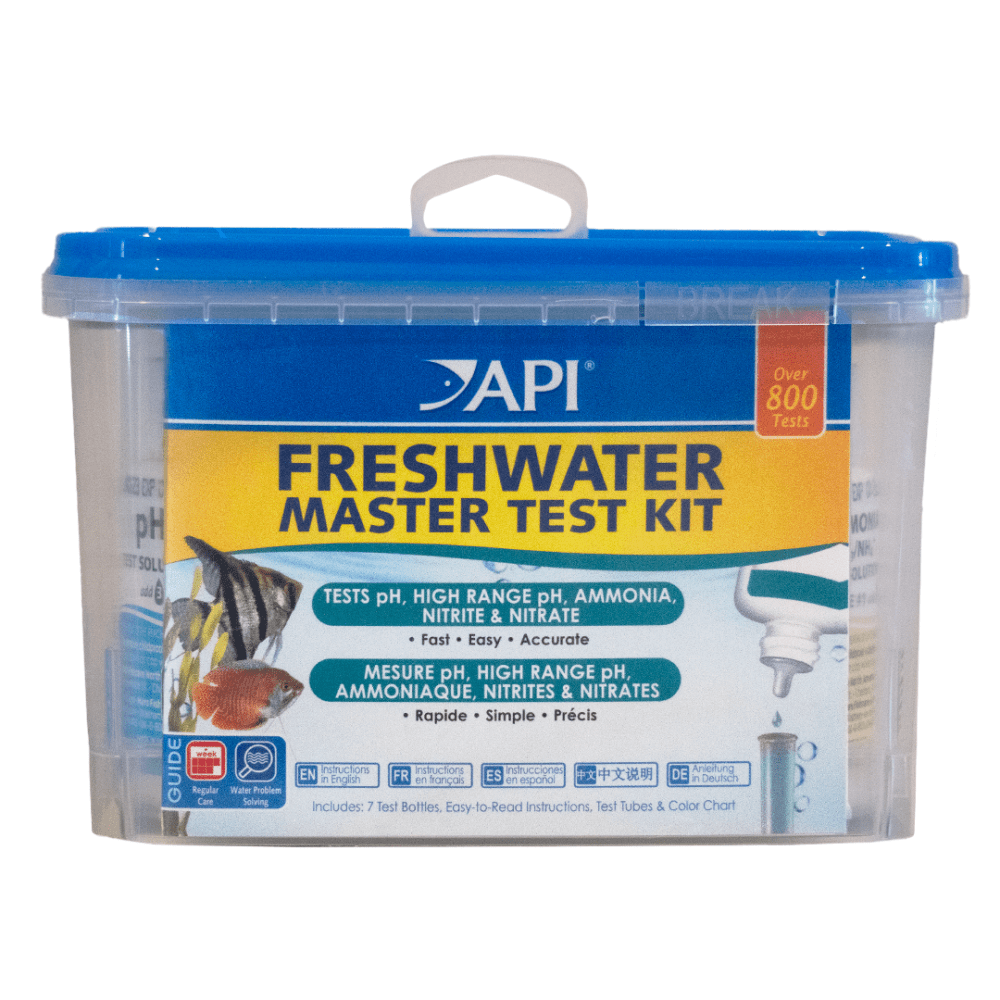
API · liquid · pH/ammonia/nitrite/nitrate · 800 tests
Freshwater Master Test Kit
The default liquid test kit for freshwater keepers: pH, ammonia, nitrite and nitrate in one box, far more accurate than strips and cheap per test across ~800 readings.
Read the review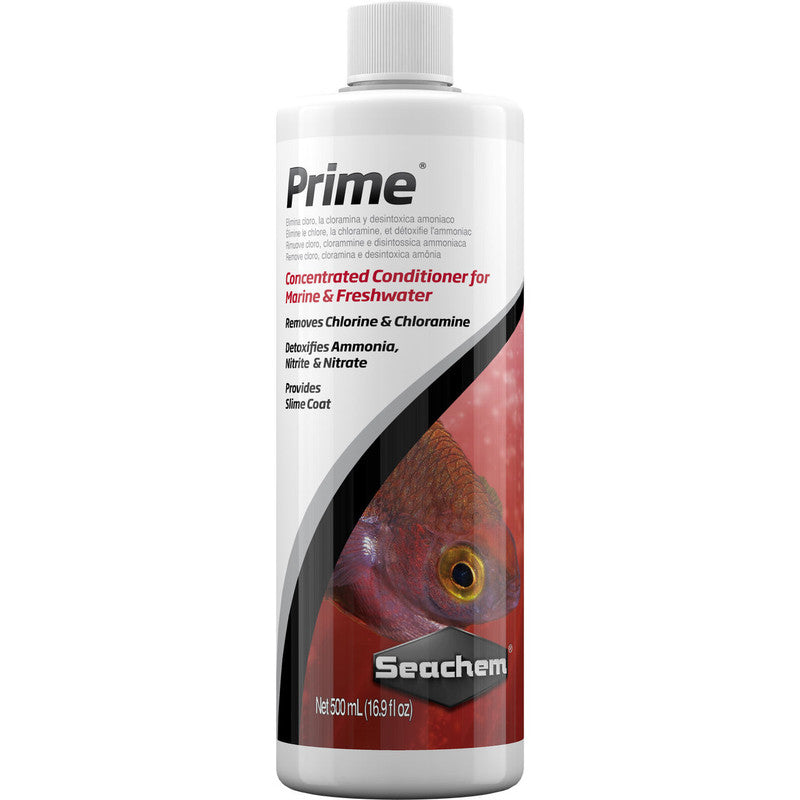
SEACHEM · conditioner · dechlorinator · 500 mL / ~5000 L
Prime
The most concentrated dechlorinator on the shelf: removes chlorine and chloramine, detoxifies ammonia and nitrite, and doses at just 5 mL per 200 L — one small bottle lasts months.
Read the review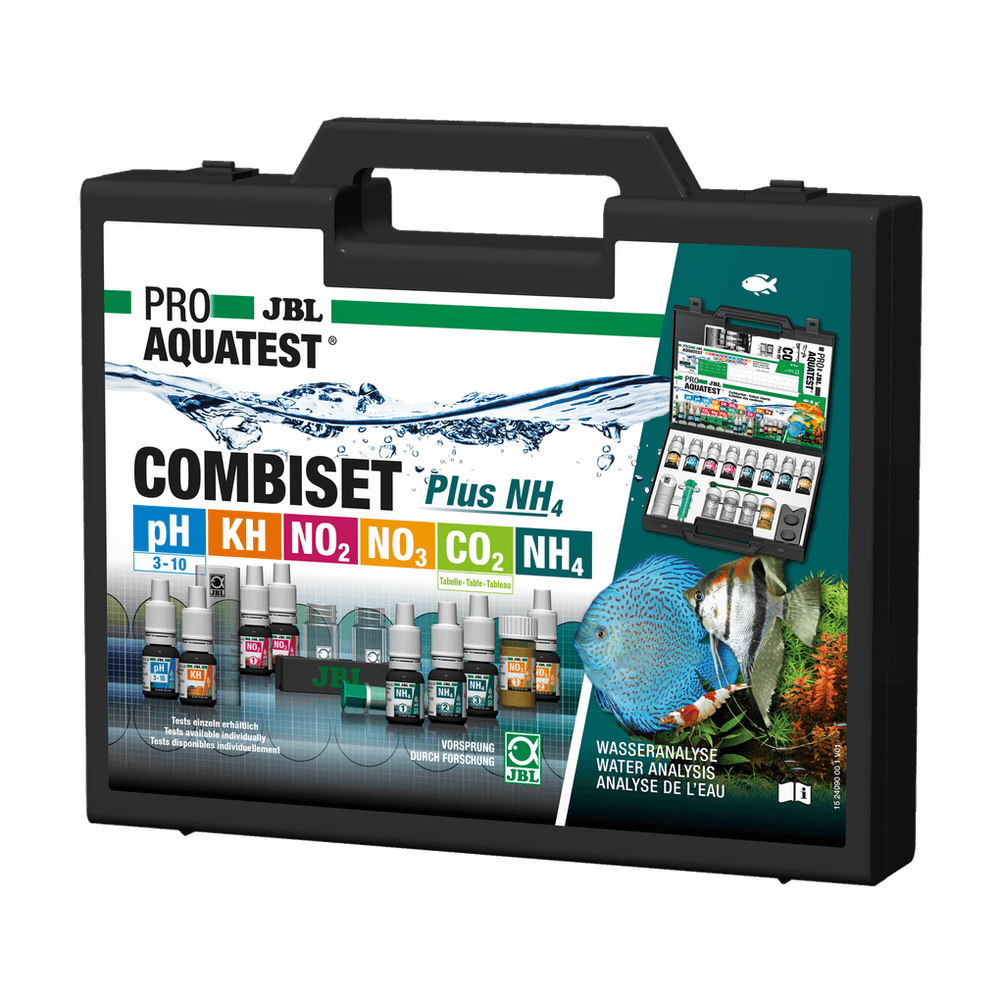
JBL · liquid case · pH/KH/NO2/NO3/NH4/CO2 · refillable
ProAquaTest Combi Set Plus NH4
JBL's carry-case liquid test set: pH, carbonate hardness, nitrite, nitrate and ammonium in one refillable box, with a CO2 table thrown in — the go-to master set on European Amazon.
Read the review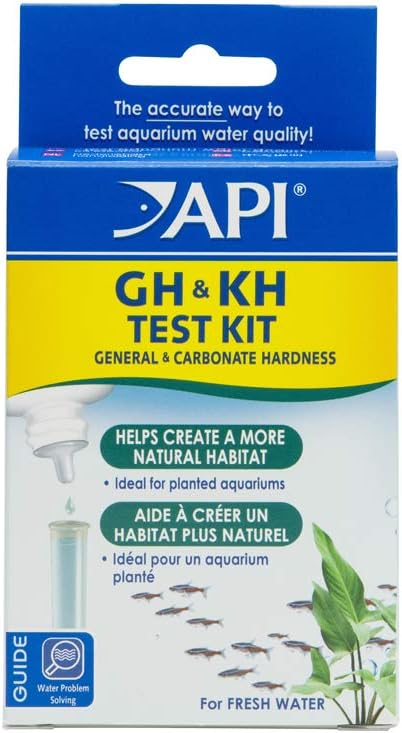
API · liquid titration · GH + KH · dual bottles
GH & KH Test Kit
The liquid drop-count kit for the two hardness numbers the master kit leaves out: general hardness (GH) and carbonate hardness (KH). Cheap, accurate and essential for shrimp, plants and pH stability.
Read the review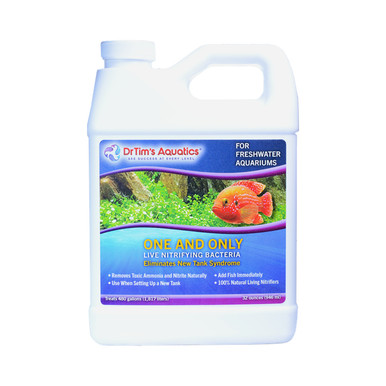
DR TIM'S AQUATICS · bacteria starter · live nitrifiers · 32 oz / ~480 US gal
One & Only Nitrifying Bacteria (Freshwater)
Live nitrifying bacteria that seed a new filter fast — the go-to bottle for a fish-in or fishless cycle. Refrigerated, single-species nitrifiers that many keepers trust over shelf-stable rivals.
Read the review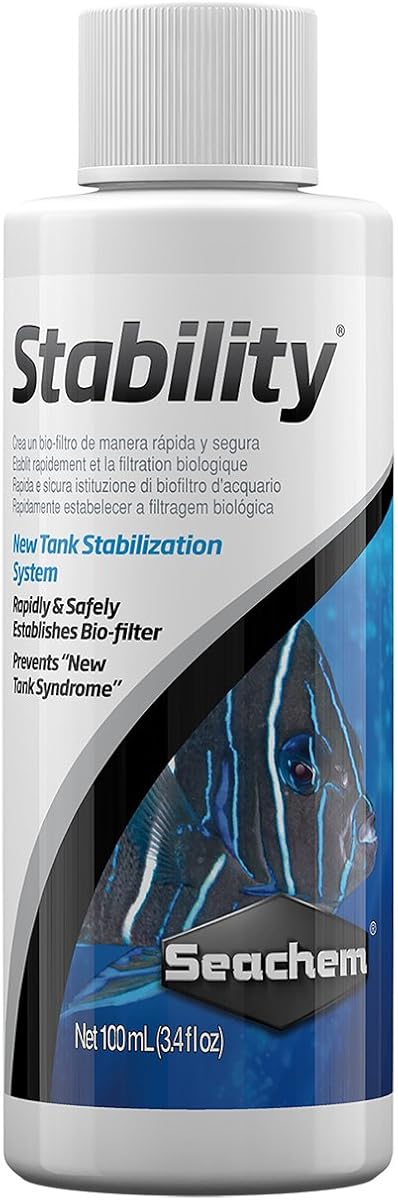
SEACHEM · bottled bacteria · fresh + marine · 100 mL
Stability
Seachem's bottled bacteria for seeding a new filter fast. A blend of aerobic and anaerobic species that will not produce toxic hydrogen sulphide, works in fresh or salt, and does not need refrigerating.
Read the review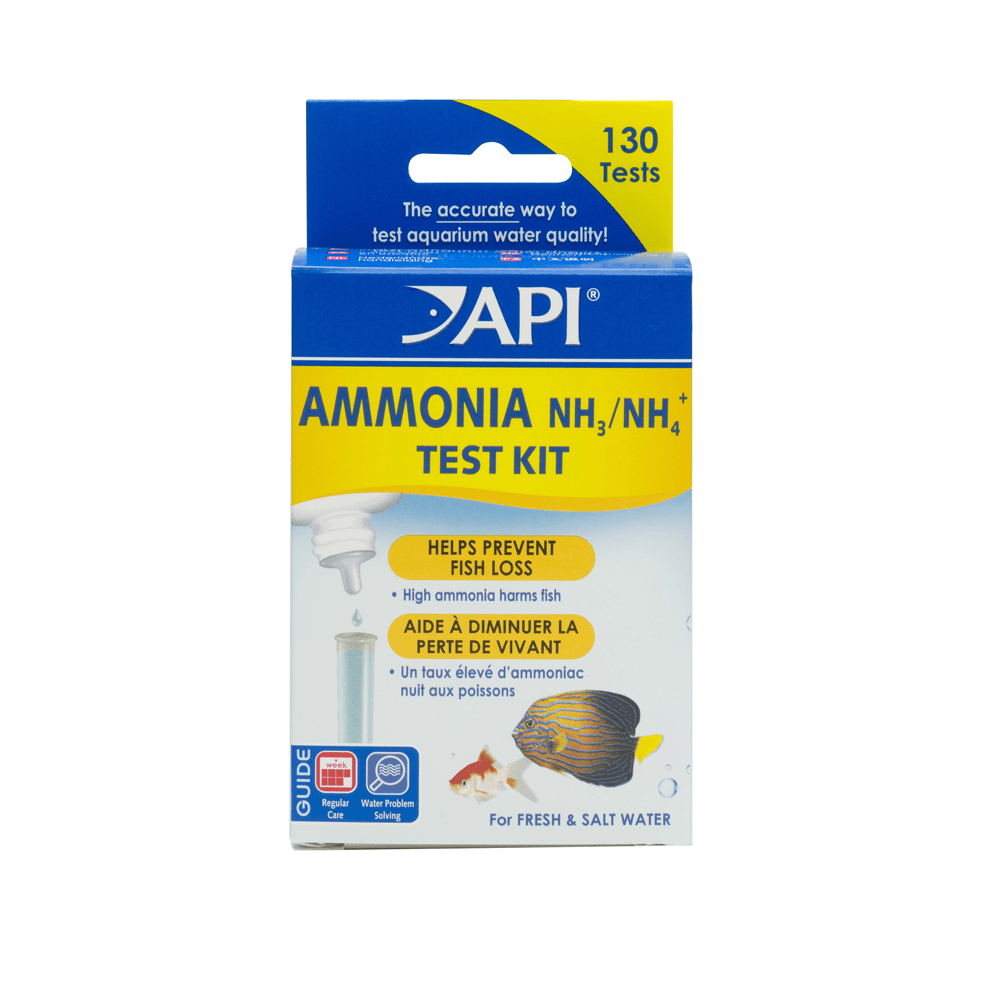
API · liquid · ammonia only · 130 tests · 0–8 ppm
Ammonia Test Kit
A dedicated liquid ammonia test — the single most important reading when cycling or after a fish loss. Cheap, accurate and a natural top-up when your master kit's ammonia bottles run dry.
Read the review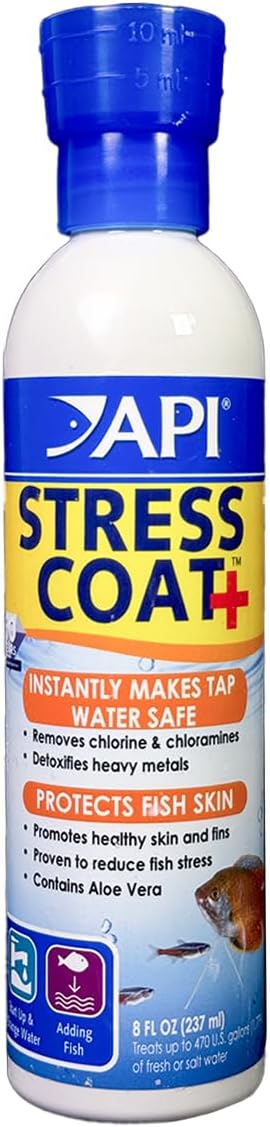
API · conditioner + aloe vera · 237 mL / ~1800 L
Stress Coat
A dechlorinator with a twist: it removes chlorine and chloramine like any conditioner, then adds aloe vera to protect and rebuild the fish's slime coat — handy for new arrivals, transport and minor injuries.
Read the review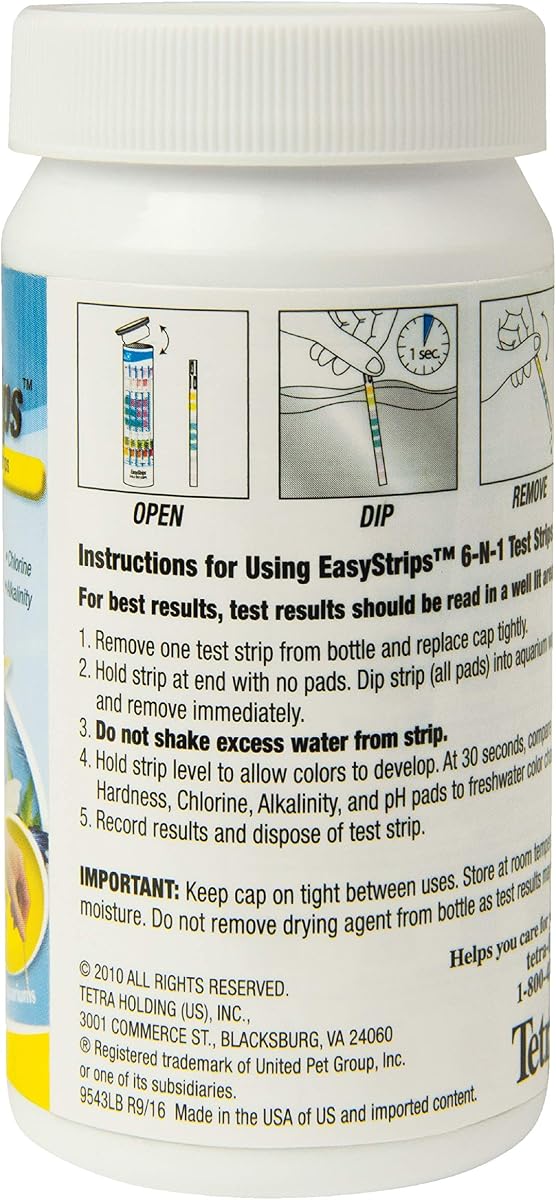
TETRA · dip strips · 6 parameters · 100 count
EasyStrips 6-in-1
Dip-and-read strips for a fast weekly glance at six parameters — nitrate, nitrite, GH, KH, chlorine and pH. Convenient and cheap per box, but coarser than a liquid kit and missing ammonia.
Read the review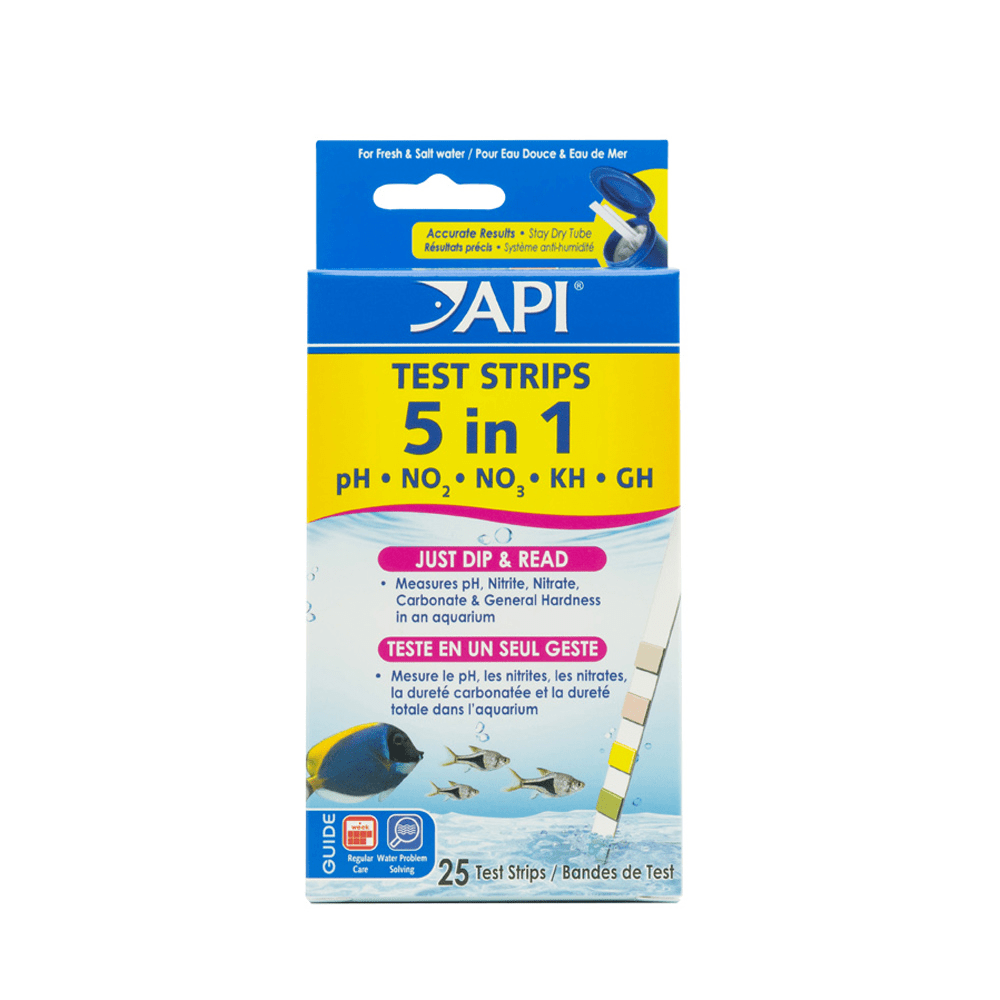
API · strips · pH/KH/GH/NO2/NO3 · 25-count
5-in-1 Test Strips
Dip-and-read strips that give five readings in a minute: pH, KH, GH, nitrite and nitrate. Convenient for a fast weekly glance — just not as accurate as a liquid kit.
Read the reviewFound your model? Buy it at the right price.
UniverTrack tracks the real price of your aquarium gear across several retailers, spots fake discounts and warns you when it's genuinely the right moment to buy — with an AI assistant to guide you.
Which one for which need
Following a tank over time
A full kit covers every parameter and works out far cheaper per test than buying bottles individually.
Watching the essentials
Three parameters are enough through a cycle: ammonia, nitrite and nitrate. Individual tests cost little and say what matters.
Who each type suits
- Cycling a new tank
- Without ammonia and nitrite tests there is no way to know when the tank is ready. It is the one moment when testing is genuinely mandatory.
- Routine monitoring
- A nitrate test before each water change tells you whether the schedule is right. It is the most useful measurement once the tank is established.
- Diagnosing a problem
- Testing before treating avoids adding a product to a tank that never needed it.
The trade-offs to weigh
- Strips against liquid tests
- Strips are quick and approximate; liquid tests take a few minutes and read far more reliably, particularly on nitrite.
- Full kit against selected tests
- A kit costs less per test and includes parameters you will measure once. Ammonia, nitrite and nitrate cover most situations.
- Precision against reading
- Colorimetric tests mean comparing a shade against a printed chart, which is subjective in poor light. Always read in daylight against a white background.
Questions buyers ask
Which parameters should I test?
Ammonia, nitrite and nitrate cover the essentials. pH and hardness become useful with demanding species or CO2 injection.
Strips or liquid tests?
Liquid tests are considerably more reliable, particularly for nitrite where a strip can wrongly read zero. Strips are for a quick check.
How often should I test?
Every two or three days while cycling, then before each water change once the tank is established.
Do reagents expire?
Yes, and an expired reagent gives a falsely reassuring reading. Check the date: it is a common cause of wrong diagnosis.
What does a non-zero nitrite reading mean?
That biological filtration is not established or has been disturbed. It is an immediate warning, more serious than a high nitrate reading.
How do I read a colour correctly?
In daylight, against a white background, respecting the stated waiting time exactly. Reading too early or too late shifts the colour.
Should I test my tap water?
At least once: it may contain nitrate or have a hardness that explains a great deal about the tank.
Does a single test tell me anything?
An isolated value says little; it is the trend across several readings that means something. Write your results down rather than trying to remember them.
What to remember
Ammonia, nitrite and nitrate are enough, as liquid tests rather than strips — especially for nitrite, where a strip can read zero when it should not. Check the reagent dates, read in daylight, and record the trend rather than a single value.