The best CO2 systems for planted tanks (2026)
CO2 is the single biggest lever for lush, fast-growing plants. We compare pressurised kits, regulators and diffusers, and lay out honestly where DIY and liquid carbon fall short — so you can choose a system that matches your tank and ambitions.
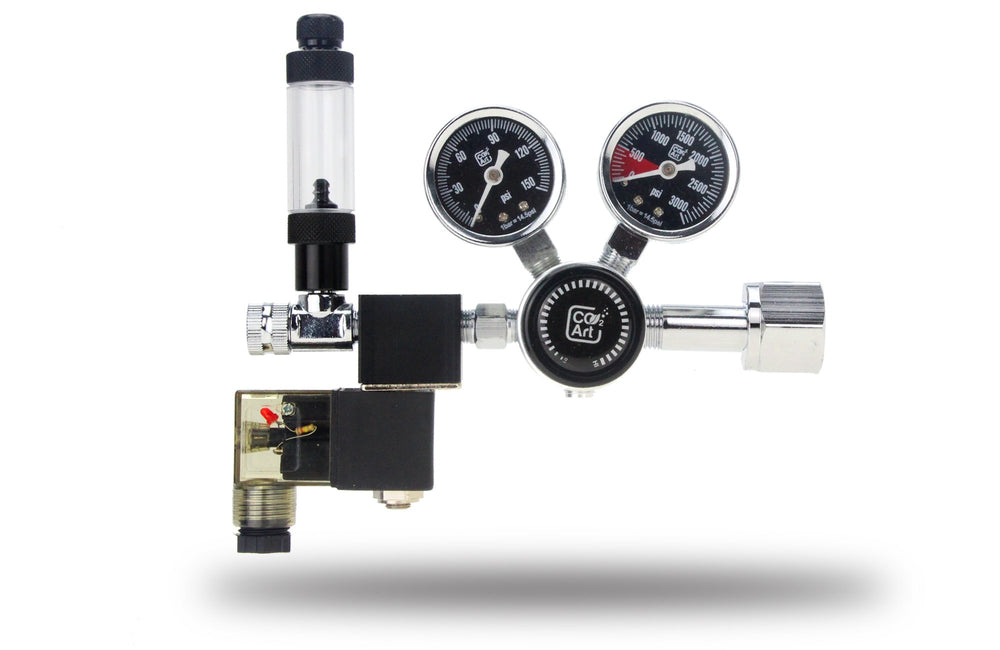
CO2ART · dual-stage regulator · integrated solenoid
CO2Art Pro-SE
A dual-stage regulator with an integrated solenoid, precise needle valve and bubble counter — the reliable, automation-ready heart of a serious pressurised CO2 system.
Read the review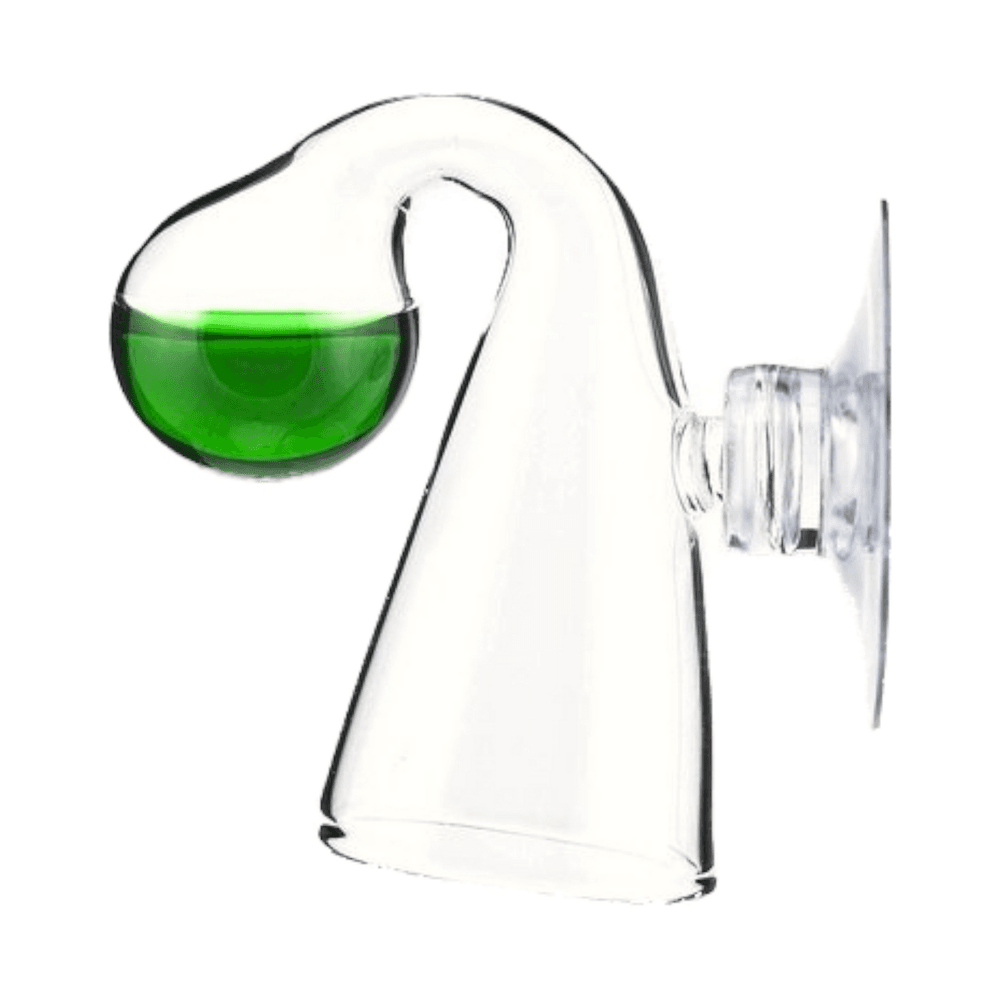
NILOCG · glass drop checker · 4dKH reagent included
NilocG Glass CO2 Drop Checker
A glass drop checker with the 4dKH indicator solution included — the cheap, essential gauge that shows whether your CO2 level is right, too low, or dangerously high.
Read the review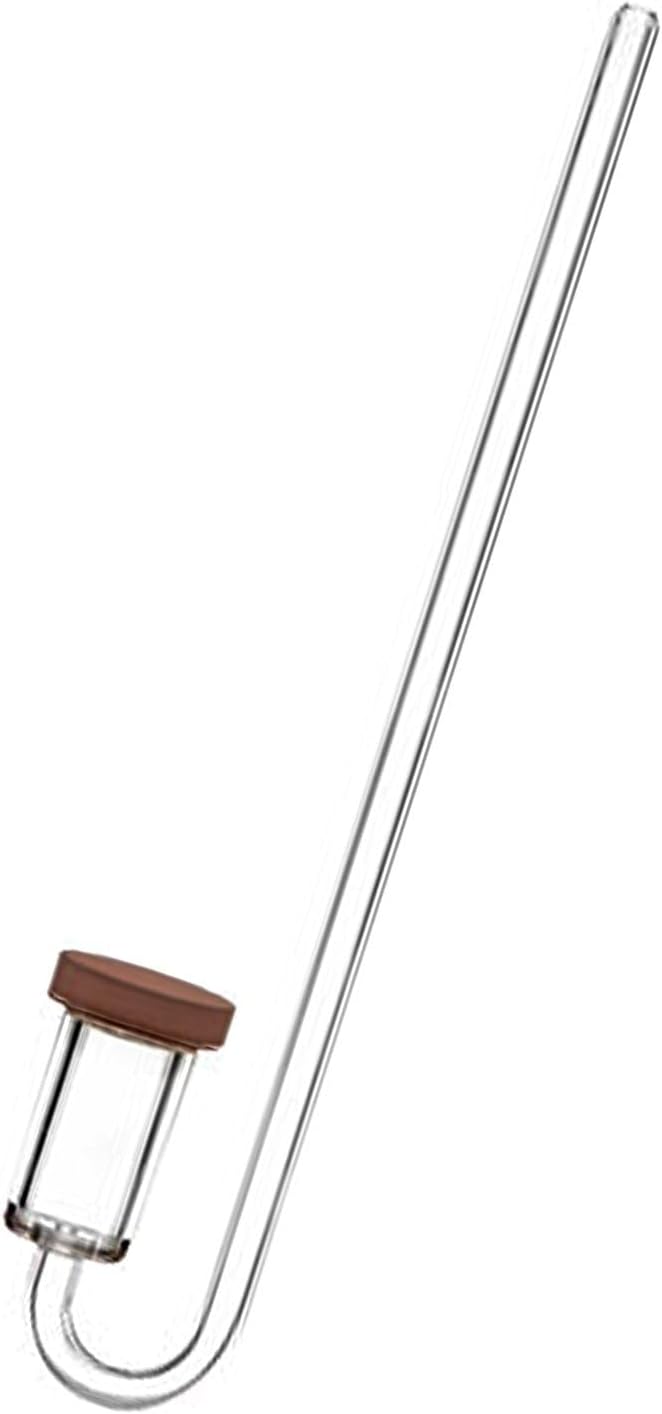
AQUARIO · in-tank glass diffuser · up to ~120 L
Aquario Neo CO2 Diffuser (Original, Medium)
The diffuser aquascapers keep recommending: a special ceramic that throws an unusually fine, dense mist, dissolving CO2 efficiently at lower bubble rates than most glass diffusers.
Read the review
JBL · complete pressurised kit · 40-600 L
JBL ProFlora CO2 Advanced Set M
A complete pressurised CO2 system in one box from a trusted German brand: refillable cylinder, regulator with night shut-off, bubble counter, reactor and test — everything a planted tank needs to start.
Read the review
NILOCG · inline atomizer · 12/16 mm tubing
NilocG Intense Inline CO2 Atomizer
An inline atomizer that plumbs into a canister's return line and breaks CO2 into a near-invisible sub-0.1 mm mist — cleaner dissolution and no glass diffuser cluttering the tank.
Read the review
FZONE · complete CO2 kit · regulator + diffuser
FZONE Compact CO2 Regulator Kit
A compact all-in-one CO2 kit — regulator, DC solenoid, bubble counter, diffuser, tubing and fittings in one box — so a first-time planted keeper can go pressurised without sourcing parts separately.
Read the review
QANVEE · inline atomizer · 12/16 mm hose
Qanvee M1 Inline CO2 Atomizer
A well-made inline atomizer that injects a fine CO2 mist into your canister's return line, keeping the tank clear of hardware — the aquascaper's invisible-CO2 trick at a sensible price.
Read the review
FZONE · nano CO2 kit · 45 g disposable cartridge
FZONE Desktop Nano CO2 System
A compact desktop CO2 system that runs on 45 g disposable cartridges — real pressurised CO2 for a nano or shrimp tank without room for a full cylinder.
Read the review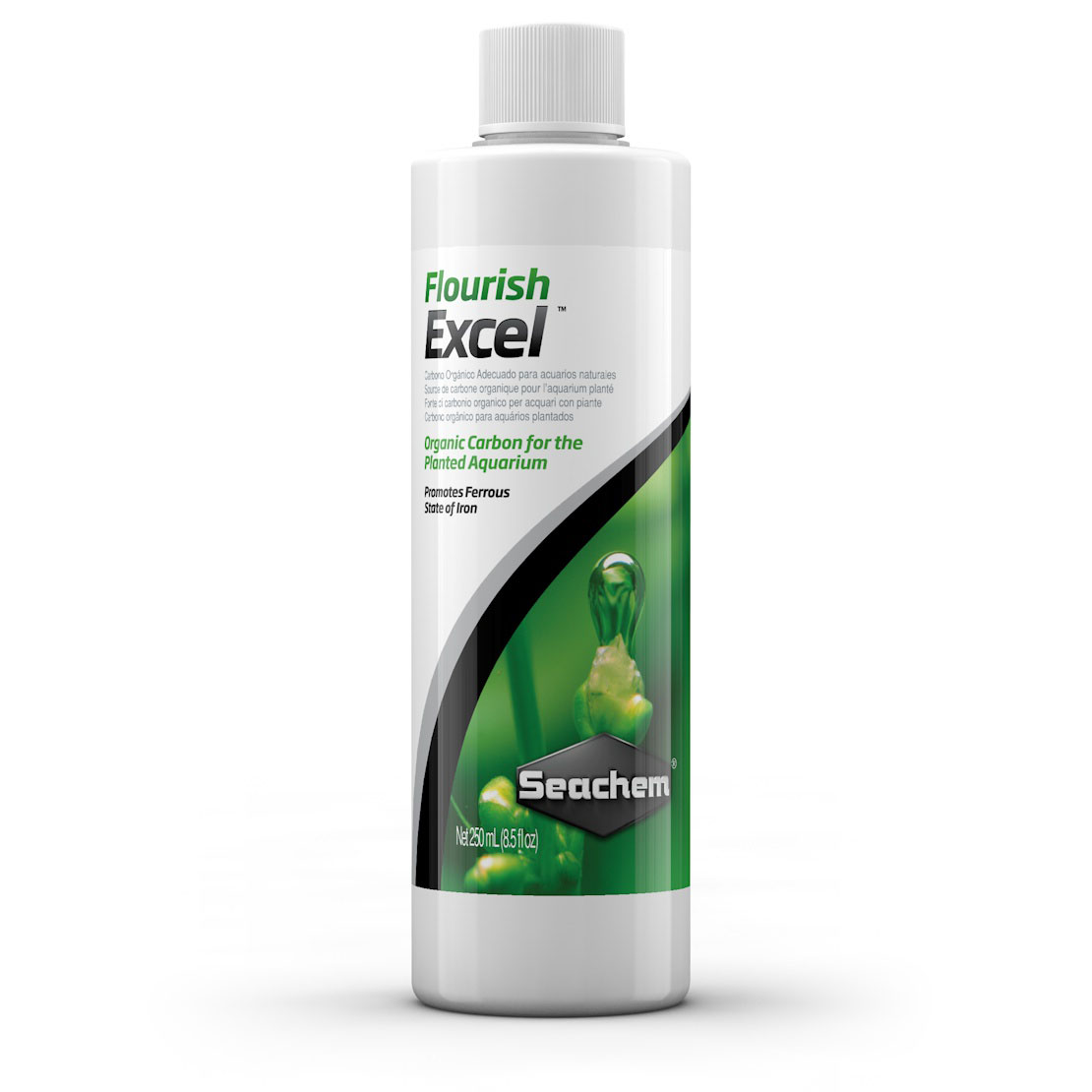
SEACHEM · liquid carbon · 500 mL
Seachem Flourish Excel
A bioavailable liquid carbon source dosed daily — a genuine help for low-tech planted tanks and a useful spot-treatment for algae, but an honest step below true pressurised CO2.
Read the review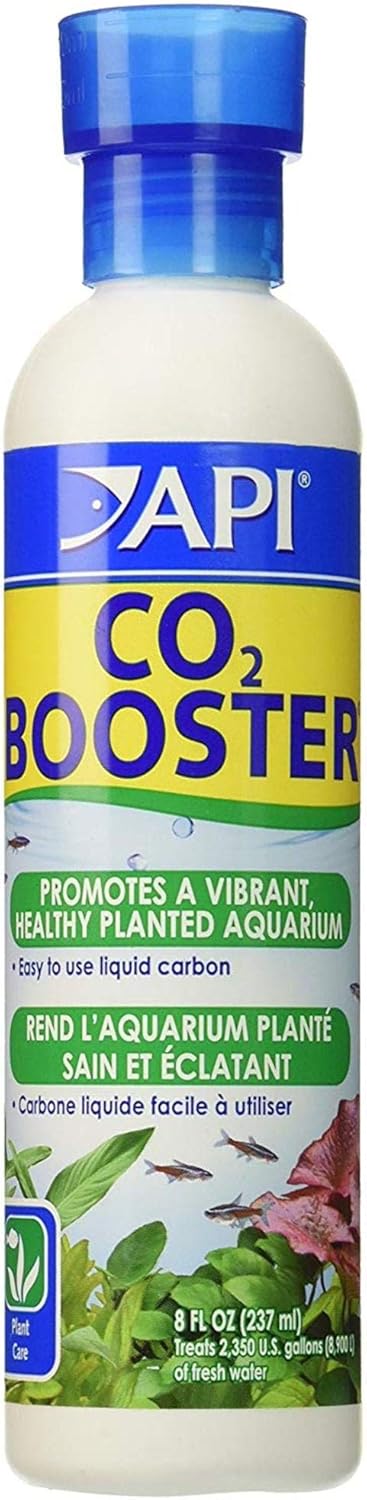
API · liquid carbon · 8 fl oz
API CO2 Booster
A budget liquid-carbon supplement dosed daily into low-tech planted tanks — the cheapest way to give plants a carbon nudge, but a clear step below Excel and a long way below pressurised CO2.
Read the reviewFound your model? Buy it at the right price.
UniverTrack tracks the real price of your aquarium gear across several retailers, spots fake discounts and warns you when it's genuinely the right moment to buy — with an AI assistant to guide you.
Which one for which need
A lasting system for a planted tank
A refillable cylinder setup costs a lot up front and becomes the cheapest option to run, with a perfectly steady rate.
Trying CO2 without committing
Fermentation kits and small cartridges let you see whether the tank responds before committing to a full installation.
Who each type suits
- Heavily planted tank
- CO2 is what unlocks demanding plants once light and fertiliser are already in place. It is the third leg of the tripod.
- Starting out in aquascaping
- A simple kit lets you understand the mechanics before investing. Moving to a refillable cylinder then happens naturally.
- Fish-focused tank
- Without demanding plants, CO2 adds nothing and introduces a risk. It is not a comfort feature.
The trade-offs to weigh
- Refillable against disposable cylinder
- Refillable costs a lot to set up and very little to run; disposable starts cheap and becomes expensive month after month.
- Fermentation against pressurised gas
- Fermentation costs almost nothing and gives an irregular rate that fades over days. Pressurised gas is adjustable and constant.
- Growth against safety
- CO2 accelerates growth and lowers pH; too much suffocates fish. A permanent drop checker and an overnight shut-off frame that risk.
Questions buyers ask
Is CO2 essential?
Only for demanding plants. A tank of easy plants grows perfectly well without it, and CO2 would mostly add risk.
Is CO2 dangerous for fish?
In excess, yes: it drives pH down and reduces available oxygen. A permanent drop checker and watching fish behaviour are both necessary.
Should CO2 be switched off at night?
Yes. Plants do not use it without light, it accumulates and pH falls. A solenoid on the same timer as the lights settles the question.
How many bubbles per second?
It depends entirely on volume, circulation and planting. You adjust gradually while watching a permanent drop checker, never by following a general figure.
Does a home fermentation kit work?
On a small tank it gives a real benefit. Its output is irregular and declines over the days, which makes dosing imprecise.
How long does a cylinder last?
From a few weeks for a disposable cartridge to several months for a refillable cylinder, depending on the rate set.
Do I need a particular diffuser?
A fine diffuser placed in the filter's current dissolves far better than a plain outlet. Large bubbles rise without dissolving.
Does CO2 lower pH?
Yes, and it is mechanical. In poorly buffered water the drop can be rapid: you need to know your carbonate hardness before starting.
What to remember
CO2 only makes sense with demanding plants and light that is already sufficient — without that it adds nothing but risk. Switch it off at night, adjust gradually against a permanent drop checker, and check your carbonate hardness before you start.