
Seachem Flourite Red Review
The rusty-red sibling of Flourite Black: a porous, iron-rich clay gravel that never breaks down and never needs replacing. A permanent, pH-neutral base for keepers who dose their own nutrients and want a warm, natural riverbed look.
By the AquaVerdict Editorial Team · How we research & review
You'll be sent to Amazon in your country. Indicative price — live, localised pricing coming soon. As an Amazon Associate we earn from qualifying purchases.
Pros
- Porous fired-clay grain gives roots and bacteria plenty to grip and holds nutrients well
- Completely inert and permanent — it never decomposes or needs replacing
- Naturally iron-rich clay gives root-feeders a genuine head start over plain gravel
- Warm rusty-red tone flatters green plants and suits a natural riverbed aquascape
Cons
- Extremely dusty out of the bag — needs long, patient rinsing or it clouds badly
- Does not buffer pH and carries no big initial nutrient charge; you dose from day one
- The strong red colour is a matter of taste and can dominate a small tank
The permanent base in a warmer tone
Seachem Flourite Red is the rusty-red version of the brand’s long-running planted gravel. Like Flourite Black, it is a specially fracted, porous fired-clay gravel — inert, pH-neutral and effectively permanent. There is no ammonia leaching to cycle out and no buffering swing to manage. The clay brings a naturally high iron content and a porous structure that roots and beneficial bacteria colonise readily, so it is a real step up from plain aquarium gravel for growing plants. The only meaningful difference from the Black is the colour: a warm, natural riverbed tone that many keepers prefer under green foliage.
Inert means you do the feeding
The trade-off versus an active soil is the same as with any inert substrate. Flourite carries no big up-front nutrient charge and does not lower pH, so you feed the tank yourself from day one — root tabs pushed in near heavy root-feeders and a balanced all-in-one liquid dosed to the water column a few times a week. In exchange it never runs out of steam and never needs replacing, where an active soil softens and exhausts itself in roughly one to two years. The one job you cannot skip is rinsing: straight from the bag the fine clay dust will cloud the water for days, so rinse hard in small batches until the runoff is mostly clear.
How it compares
If you would rather the substrate do the feeding for you and do not mind a one-to-two-year lifespan, an active soil like Landen Aqua Soil or Tropica Aquarium Soil is the alternative. Want a permanent base pre-loaded with minerals and bacteria that skips the heavy rinsing? CaribSea Eco-Complete is the easier pour. See the aquarium substrate hub for the full picture and the plant fertilizers hub for the dosing side of an inert setup.
Flourite Black's warm-toned twin: permanent, iron-rich and pH-neutral, for keepers who like to control their own dosing. Rinse it properly, feed with root tabs and liquid ferts, and it will outlast every active soil you would otherwise be rebuilding.
Where this one sits in its aisle
At 30 $, it is the 10 cheapest of the 10 models in this category published here.
- Cheapest in the aisle15 $
- Median25 $
- Dearest in the aisle30 $
Seachem Flourite Red — frequently asked questions
How is Flourite Red different from Flourite Black?
Only in colour. Both are the same porous, iron-rich fired-clay gravel — inert, pH-neutral and permanent. Red gives you a warm, rusty riverbed tone that flatters green foliage, while Black is a dark matte backdrop that makes fish colour pop. Pick on looks; they perform identically.
Does Flourite Red work like an active soil?
No. It is inert — it does not lower pH and it does not leach ammonia, so there is no start-up cycle to ride out. It also carries no big nutrient charge in the grain, so unlike an aqua soil you feed the tank yourself with root tabs and liquid ferts. In return it never runs out and never needs replacing.
Do I need to rinse it?
Thoroughly. Flourite is famously dusty, and unrinsed it turns the water a cloudy red-brown for days. Rinse it hard in small batches until the runoff is mostly clear before it goes in — it is the one job you must not skip.
Found your model? Buy it at the right price.
UniverTrack tracks the real price of your aquarium gear across several retailers, spots fake discounts and warns you when it's genuinely the right moment to buy — with an AI assistant to guide you.
Our score
8.0/ 10
Flourite Black's warm-toned twin: permanent, iron-rich and pH-neutral, for keepers who like to control their own dosing. Rinse it properly, feed with root tabs and liquid ferts, and it will outlast every active soil you would otherwise be rebuilding.
Who this one is for
A planted tank owner who wants a permanent, warm-toned base and is happy to feed plants with root tabs and liquid ferts on their own schedule.
Compared with its closest rivals
Same category, nearest prices. Only the specifications every one of them states are shown — a half-empty column compares nothing.
| Model | Price | Type | Buffers pH? | Best for | Grain / appearance |
|---|---|---|---|---|---|
| Seachem Flourite Red | 30 $ | Inert porous clay gravel | No — pH-neutral | Planted tanks with self-dosed nutrients | Rusty-red clay gravel ≈ 2–4 mm |
| Fluval Plant & Shrimp Stratum | 30 $ | Active aqua soil (volcanic) | Yes — nudges toward neutral/slightly acidic | Planted nanos & shrimp tanks | Dark brown porous granules, ≈ 2–4 mm |
| Landen Aqua Soil | 30 $ | Active nutrient-rich aqua soil | Yes — trends soft and slightly acidic | Planted and shrimp tanks; root-feeders | Black granular soil ≈ 2–3.5 mm |
| Seachem Flourite Black | 28 $ | Inert porous clay gravel | No — pH-neutral | Planted tanks with self-dosed nutrients | Matte black clay gravel ≈ 2–4 mm |
What separates these models
- If price decides: Seachem Flourite Black, at 28 $.
If this one is not the right fit
- On a tighter budget: Fluval Bio Stratum, at 15 $ in the same category. see the review
Guides that feature it
Price and availability
A reference exists on these Amazon stores: Germany, United Kingdom, United States. Listed is not the same as in stock — availability changes daily.
Details checked on July 16, 2026.
Sources
Specifications: manufacturer sheet and Amazon product page. Prices and availability: Keepa. No product on this site has been physically tested.
More substrate we recommend
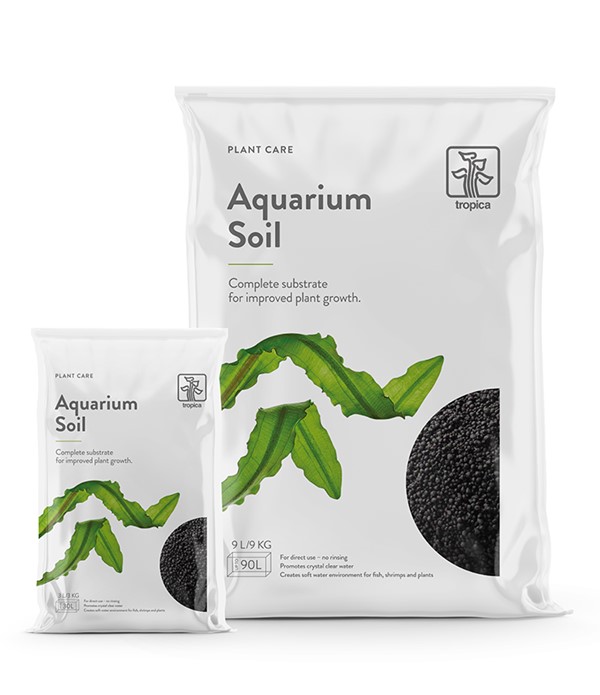
TROPICA · active aqua soil · lowers KH & pH · high-tech planted
Tropica Aquarium Soil
A premium active soil that actively lowers KH and pH and pushes strong, colourful growth from day one — the aquascaper's choice for a high-tech planted tank, with a finer Powder grade for carpets.
Read the review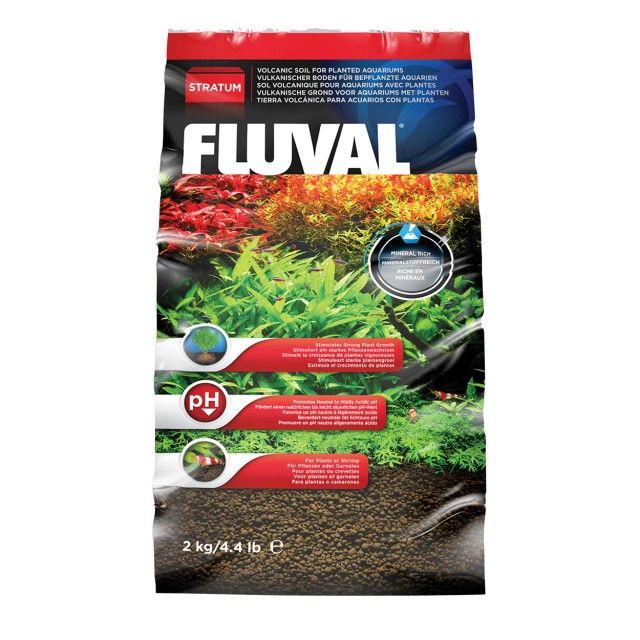
FLUVAL · active aqua soil · nudges pH down · planted & shrimp
Fluval Plant & Shrimp Stratum
Mineral-rich volcanic soil from Japan's Mount Aso that feeds plant roots and holds water in the neutral-to-slightly-acidic range shrimp love — the easiest, best-value entry into an active substrate.
Read the review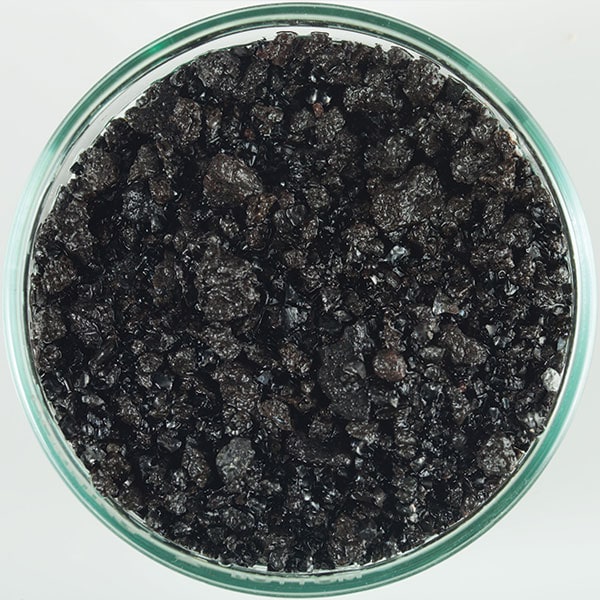
CARIBSEA · planted substrate · pH-neutral · permanent
CaribSea Eco-Complete Planted
A mineral-rich black volcanic substrate shipped wet with live bacteria — it feeds roots and never breaks down, giving planted-tank looks without the acidic swing or one-to-two-year lifespan of an active soil.
Read the review