The best aquariums for 2026
The tank is the one purchase you live with for years, so it pays to get it right. Below are the aquariums and all-in-one kits we recommend — from nano cubes for shrimp to 200L+ planted setups — chosen for build quality, sensible bundled equipment and long-term value, not just the lowest price.
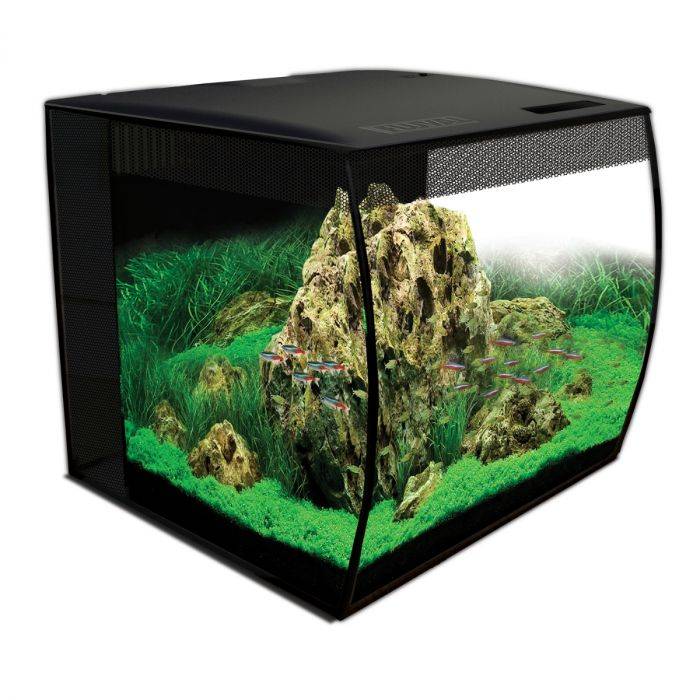
FLUVAL · 57 L · 15 US gal · curved cube
Fluval Flex 15
A striking curved-front 57 L cube with app-free remote RGBW lighting and hidden 3-stage filtration — the best-looking all-in-one at this size.
Read the review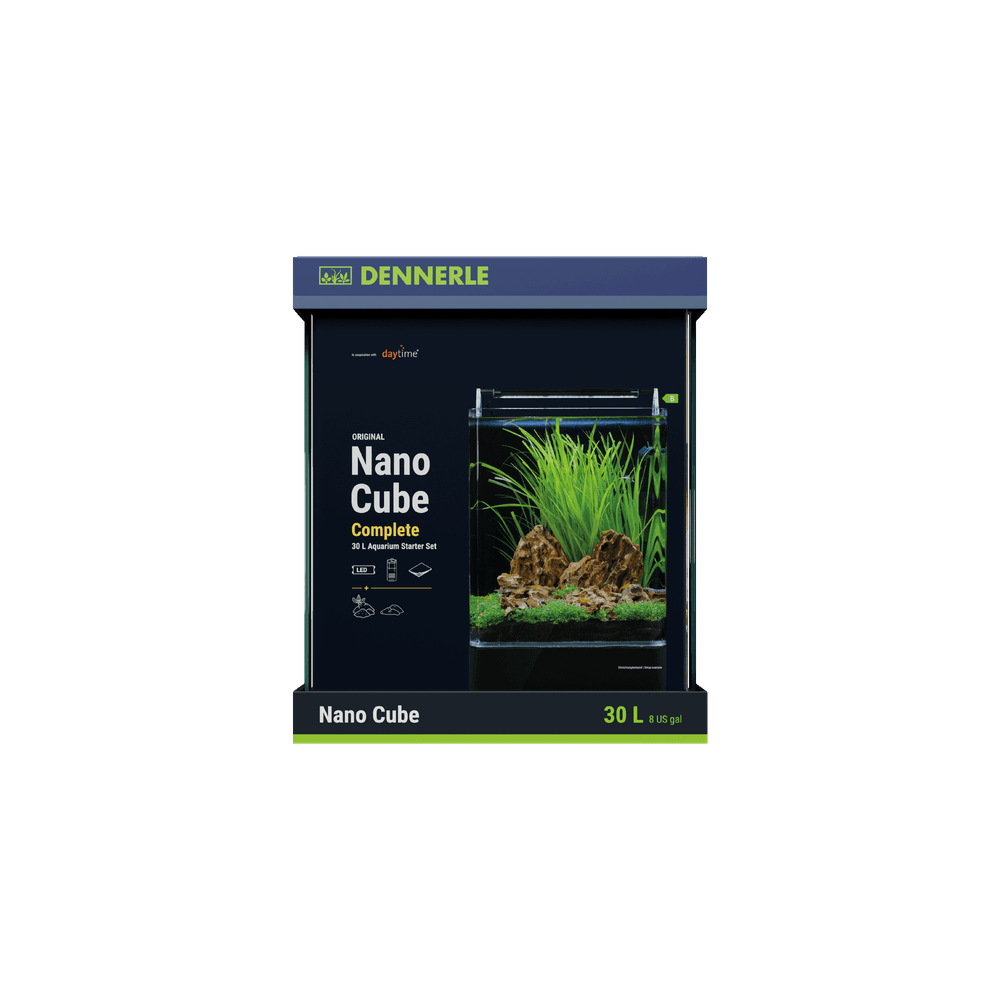
DENNERLE · 30 L · aquascaping nano
Dennerle Nano Cube Complete 30
A 30 L rimless-look nano with a curved, rounded front pane — the aquascaper's and shrimp-keeper's favourite small cube, especially in Europe.
Read the review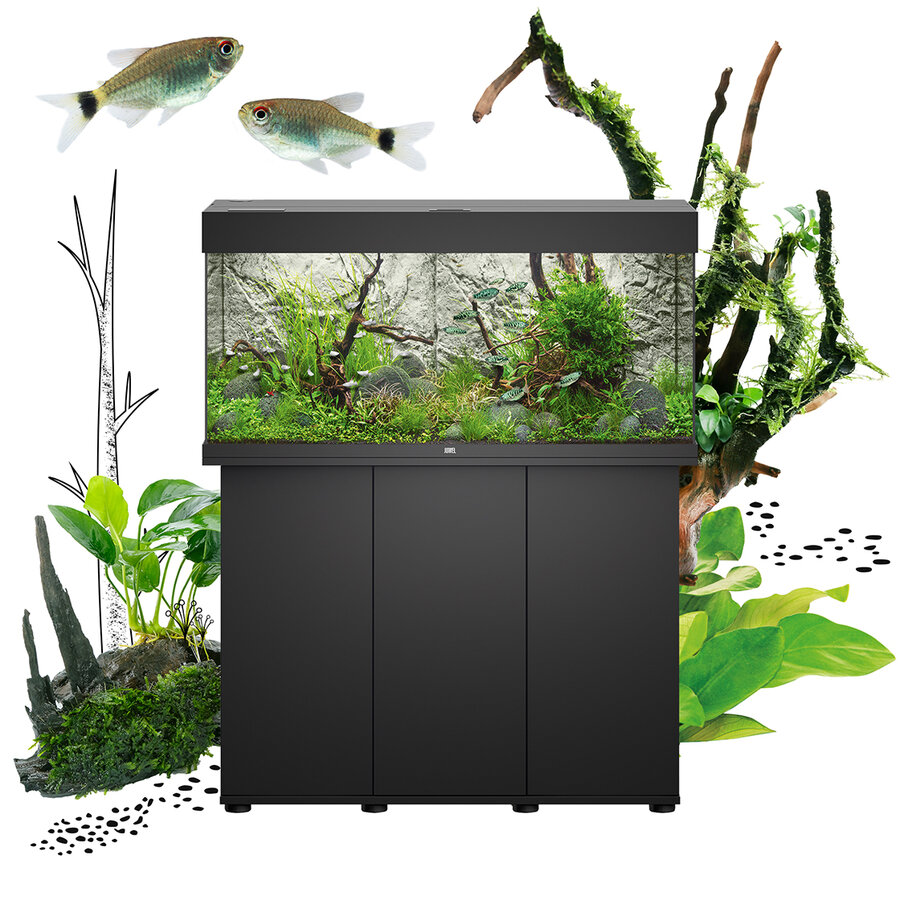
JUWEL · 180 L · 101×41 cm · family community
Juwel Rio 180 LED
A 180 L, metre-wide glass tank with twin MultiLux LED bars, the Bioflow filter and a heater — Juwel's benchmark family community aquarium, built to last a decade.
Read the review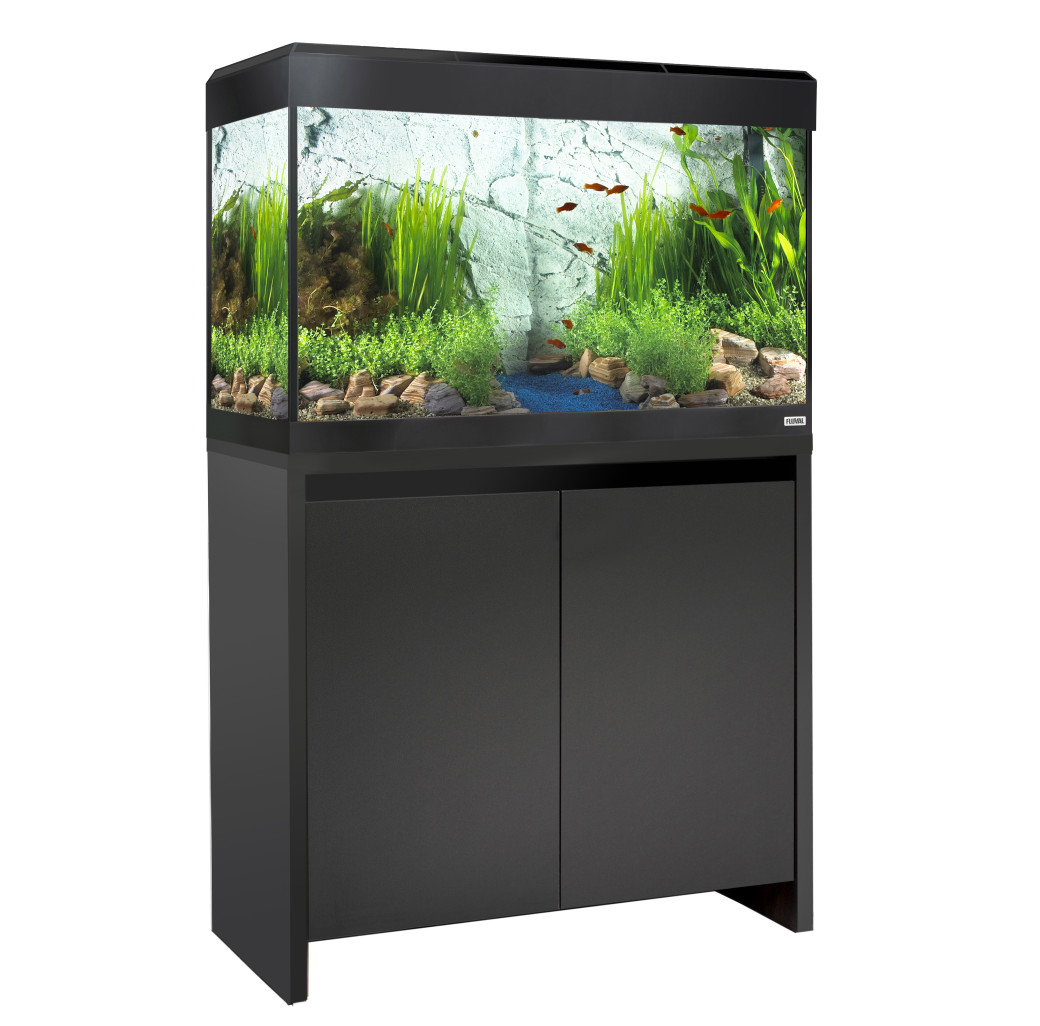
FLUVAL · 125 L · 80×35 cm · planted community
Fluval Roma 125
A 125 L rectangular tank with app-controlled Bluetooth LED, a Fluval U3 filter and an M-series heater — a well-equipped, well-proportioned platform for a planted community.
Read the review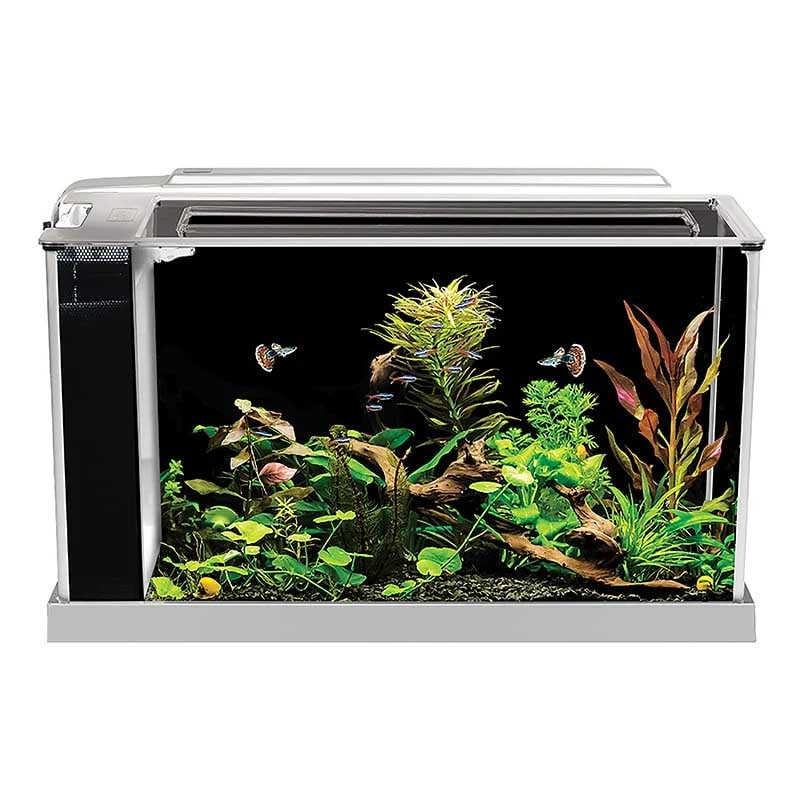
FLUVAL · 19 L · 5 US gal · nano
Fluval Spec V
A beautifully made 19 L etched-glass nano with a hidden 3-stage filter and a bright LED — the desk tank most aquascapers recommend first.
Read the review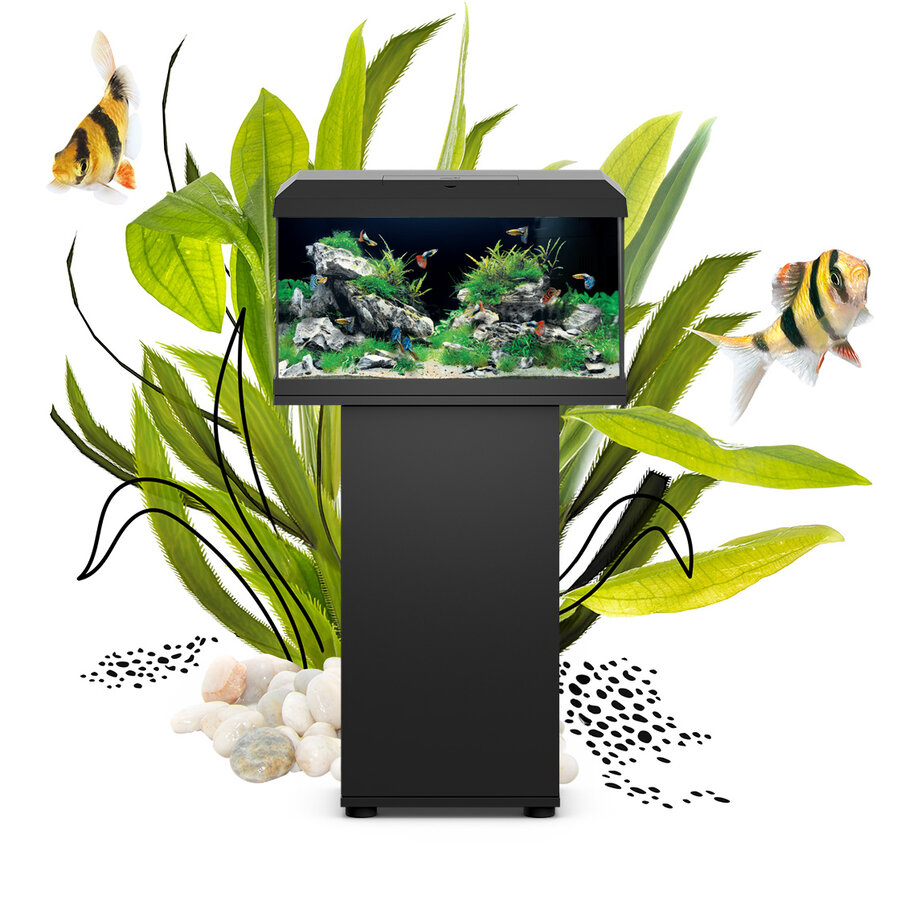
JUWEL · 70 L · 61×31 cm · community starter
Juwel Primo 70 LED
A no-nonsense 70 L glass tank with a hooded LED, a built-in Bioflow filter and a heater — the sensible, affordable step up from a nano into a real community aquarium.
Read the review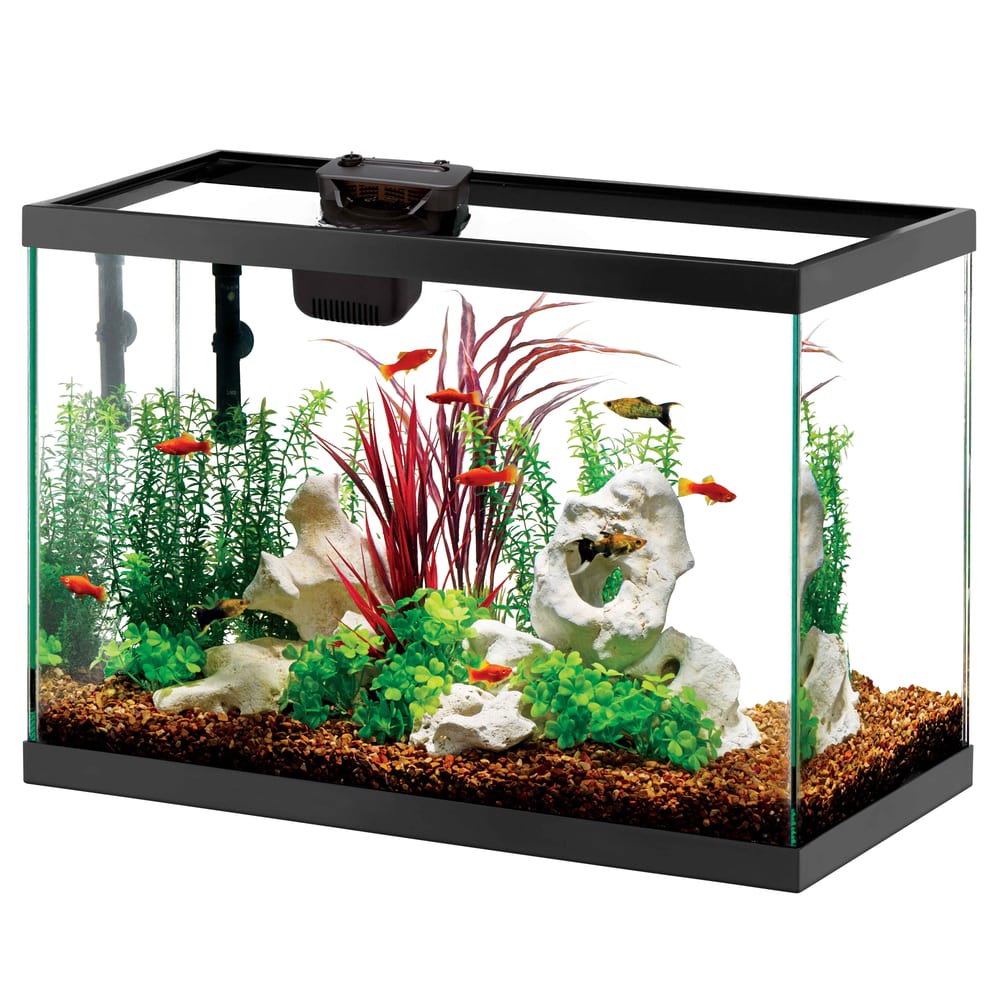
AQUEON · 75 L · 20 US gal · community
Aqueon LED 20 Gallon Starter Kit
A no-nonsense 75 L glass kit with a SmartClean filter, LED and heater option — the sensible, affordable first community tank in the US.
Read the review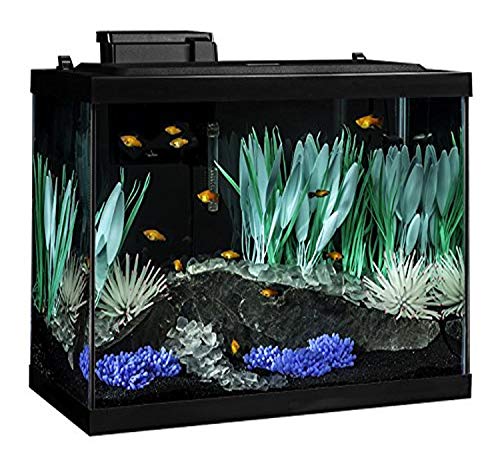
TETRA · 75 L · 20 US gal · starter kit
Tetra ColorFusion 20 Gallon Kit
A complete 75 L kit with a Whisper filter, colour-changing LED bar and décor — everything a first-timer needs in one affordable box.
Read the review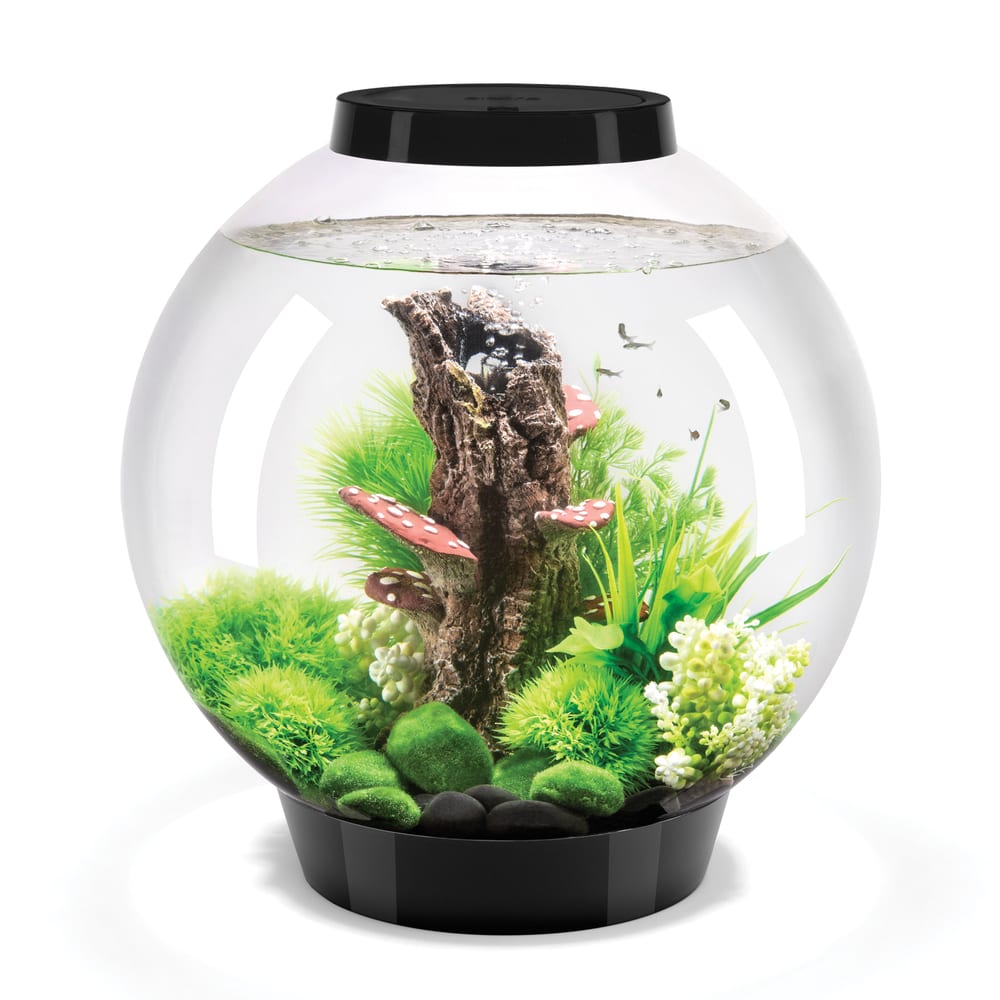
BIORB · 30 L · 8 US gal · acrylic sphere
biOrb Classic 30
A sculptural acrylic sphere with 5-stage filtration and a remote LED — chosen for looks and simplicity rather than aquascaping flexibility.
Read the reviewFound your model? Buy it at the right price.
UniverTrack tracks the real price of your aquarium gear across several retailers, spots fake discounts and warns you when it's genuinely the right moment to buy — with an AI assistant to guide you.
Which one for which need
A stable tank to start with
Counter-intuitively, a large volume is easier to keep than a small one: parameters shift slowly, which gives you time to react to a mistake.
Fitting a tank into a small space
A small volume sits on an ordinary piece of furniture and weighs less. In exchange it needs its parameters watched more closely.
A first purchase without overspending
The tank is only part of the budget: filtration, heating, lighting and water tests all follow. Saving on the tank leaves room to equip it properly.
Who each type suits
- First aquarium
- A medium to large volume forgives infinitely more than a nano tank. Chemical stability is directly proportional to the volume of water.
- Planted tank
- Height matters as much as volume: past about fifty centimetres, lighting has to be considerably stronger to reach the substrate.
- Limited space
- A full tank weighs roughly a kilo per litre, plus the hardscape. The stand and the floor decide, not the living room.
The trade-offs to weigh
- Volume against stability
- A small tank costs less and swings fast: one feeding mistake becomes an ammonia spike within a day. A large tank absorbs the same mistake without reacting.
- Complete kit against chosen components
- A kit settles the question in one go, with components that are often only just adequate. Buying separately costs more and gives you filtration at the right size.
- Height against lighting
- A tall tank is spectacular and demands far more light at substrate level. A low, wide tank is easier to plant and to light.
Questions buyers ask
What volume should I start with?
The largest your space and budget allow. Contrary to instinct, a big tank is far easier to keep stable than a nano aquarium.
How much does a full aquarium weigh?
Roughly one kilogram per litre of water, plus substrate, hardscape and the tank itself. A 200-litre tank comfortably exceeds 250 kg: the stand has to be built for it.
Can I add fish straight away?
No. The tank first has to complete its nitrogen cycle, which takes several weeks while the bacteria establish. Adding fish before that is the single most common cause of failure.
Where should an aquarium go?
On a perfectly level, solid support, away from direct sunlight and heat sources. Direct sun causes algae blooms that are very hard to bring back under control.
Is a complete kit enough?
It gets you started, with components that are often barely adequate. Filtration is the part most people replace first.
Do I need a lid?
It limits evaporation, keeps jumping fish in and keeps dust out. Some species jump far more than you would expect.
Glass or acrylic?
Glass barely scratches and is heavy; acrylic is light, clearer and scratches at the slightest wipe. Glass remains the usual choice.
Do I need a mat under the tank?
On a support that is not perfectly flat, yes: it spreads the contact points. A single high spot under a full tank puts a point load on the glass.
What to remember
Take the largest volume your space and stand allow: chemical stability follows volume, and a big tank forgives what a nano aquarium never will. Count a kilo per litre, avoid direct sun, and add no fish before the nitrogen cycle has finished.