
Hikari Shrimp Cuisine Review
A tiny sinking wafer made for freshwater shrimp — seaweed, algae and copper-inclusive nutrition for caridina and neocaridina colonies.
By the AquaVerdict Editorial Team · How we research & review
You'll be sent to Amazon in your country. Indicative price — live, localised pricing coming soon. As an Amazon Associate we earn from qualifying purchases.
Pros
- Formulated specifically for shrimp, with seaweed and algae they naturally graze
- Includes the trace copper shrimp need for healthy moulting, at a safe level
- Small sinking wafers the whole colony can swarm and share
- Holds together, so you can pull out the remainder after grazing
Cons
- Colonies eat slowly — remove the wafer after a couple of hours to protect water quality
- Not a fish food; larger fish will ignore it or outcompete the shrimp
Made for shrimp, not fish
Dwarf shrimp have different needs from community fish: they graze constantly on biofilm and algae, and they rely on trace minerals — notably a small, safe amount of copper — to moult properly. Shrimp Cuisine is built around that, leaning on seaweed, spirulina and algae rather than the high-protein recipes aimed at fish. The small wafers sink and let the whole colony gather round a single feeding spot.
Feed little, and clear the remains
The trap with shrimp is overfeeding. In a mature planted tank they already have plenty to graze, so a wafer every two or three days is usually enough. Let the colony work at it for an hour or two, then remove whatever is left — shrimp eat slowly, and a dissolving wafer is a real ammonia risk in a small, sensitive shrimp tank.
How it fits with our other picks
If you also keep plecos or corydoras, the Hikari Algae Wafers cover the larger bottom feeders. For the full food range see our fish food hub. Shrimp are unforgiving of unstable water, so a reliable liquid test kit to watch ammonia, nitrite and nitrate is the most useful thing you can pair with them.
A purpose-made staple for dwarf shrimp: algae-rich, copper-inclusive and easy to portion. Feed sparingly every few days and always remove the remainder.
Where this one sits in its aisle
At 6 $, it is the 2 cheapest of the 10 models in this category published here.
- Cheapest in the aisle6 $
- Median10 $
- Dearest in the aisle45 $
Hikari Shrimp Cuisine — frequently asked questions
How often should I feed a shrimp colony?
Only every two or three days for an established colony — a well-planted tank already offers biofilm and algae to graze. Drop one small wafer, let them swarm it for an hour or two, then remove any remainder.
Why remove the wafer afterwards?
Shrimp graze slowly, so food sits longer than with fish. A wafer left to dissolve fouls the water and can spike ammonia, which shrimp are especially sensitive to. Pulling the remnant keeps parameters stable.
Do shrimp need special food at all?
In a mature planted tank they mostly live on biofilm and algae. A dedicated shrimp food adds variety and the trace minerals — especially copper for moulting — that support colour and healthy breeding.
Found your model? Buy it at the right price.
UniverTrack tracks the real price of your aquarium gear across several retailers, spots fake discounts and warns you when it's genuinely the right moment to buy — with an AI assistant to guide you.
Our score
8.3/ 10
A purpose-made staple for dwarf shrimp: algae-rich, copper-inclusive and easy to portion. Feed sparingly every few days and always remove the remainder.
Who this one is for
Freshwater dwarf shrimp colonies — cherry (neocaridina) and crystal/bee (caridina) shrimp in planted or dedicated tanks.
Compared with its closest rivals
Same category, nearest prices. Only the specifications every one of them states are shown — a half-empty column compares nothing.
| Model | Price | Type | For which fish | Form | Main ingredients |
|---|---|---|---|---|---|
| Hikari Shrimp Cuisine | 6 $ | Sinking shrimp wafer | Freshwater dwarf shrimp (neocaridina, caridina) and snails | Small sinking wafer | Fish & krill meal, seaweed, spirulina, added vitamins and stabilised vitamin C |
| Hikari Tropical Micro Pellets | 6 $ | Semi-floating micro pellet | Small tropical community fish (tetras, rasboras, barbs, guppies, danios) | Micro pellet / granule | Fish meal, wheat flour, plus multiple beneficial algae and added vitamins |
| Fluval Bug Bites Betta | 7 $ | Betta staple micro granule | Betta splendens (and other small insectivorous surface feeders) | Slow-sinking micro granule | Black soldier fly larvae, salmon/fish protein, added vitamins & minerals |
| Fluval Bug Bites Tropical Flakes | 8 $ | Staple flake food | Tropical community fish (tetras, barbs, rasboras, guppies, mollies) | Flake | Black soldier fly larvae, salmon/fish protein, added vitamins & minerals |
What separates these models
- If price decides: this model, at 6 $.
Price and availability
A reference exists on these Amazon stores: Germany, United Kingdom, United States. Listed is not the same as in stock — availability changes daily.
Details checked on July 15, 2026.
Sources
Specifications: manufacturer sheet and Amazon product page. Prices and availability: Keepa. No product on this site has been physically tested.
More fish food we recommend
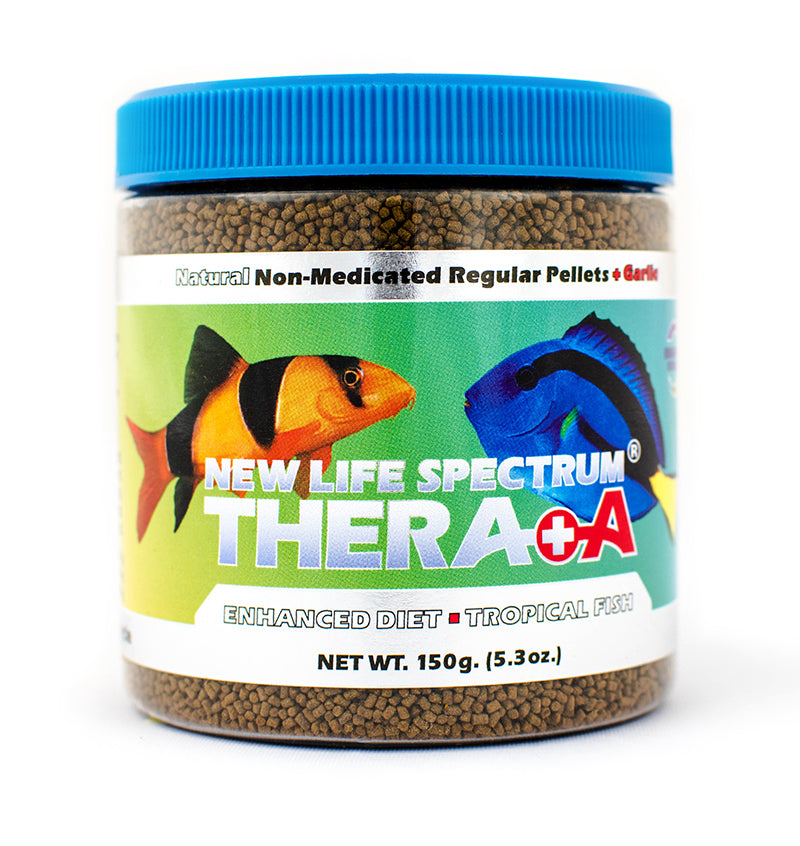
NEW LIFE SPECTRUM · 1 mm sinking pellet · all-natural, garlic
New Life Spectrum Thera+A Regular
A dense, all-natural sinking pellet that many keepers treat as a near-complete diet: high-quality marine proteins, natural colour enhancers and added garlic that fish find irresistible.
Read the review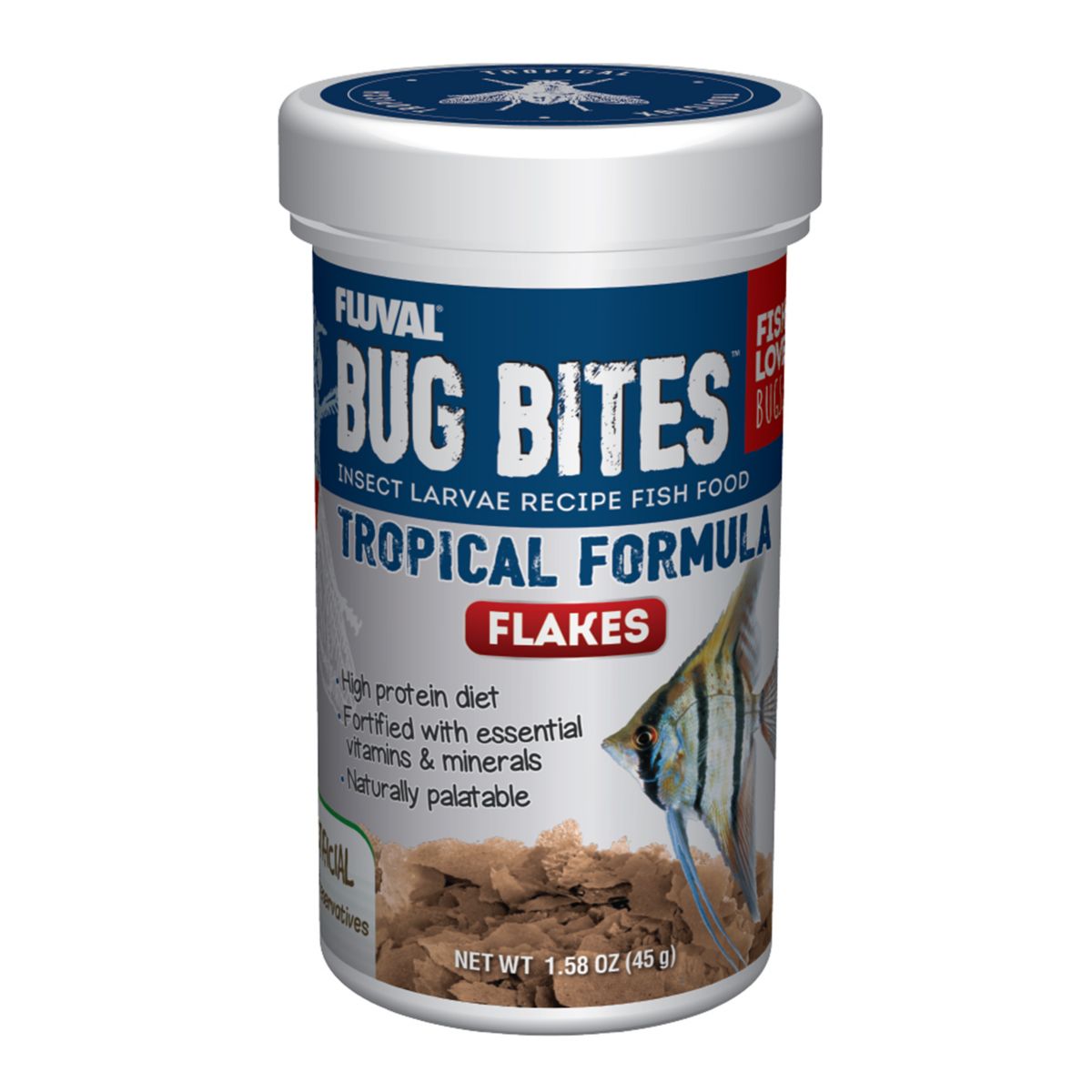
FLUVAL · staple tropical flake · insect-based
Fluval Bug Bites Tropical Flakes
An insect-larvae flake that works as a daily staple for most community fish — high protein, readily eaten and easy to portion, so it is our default everyday food.
Read the review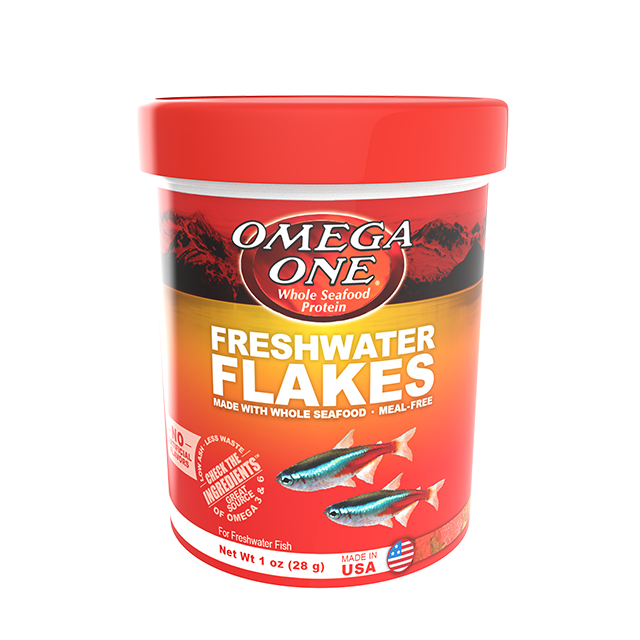
OMEGA ONE · whole-seafood flake · natural colour boost
Omega One Freshwater Flakes
A flake built from whole fresh seafood rather than meals, so it is rich in natural pigments that bring out reds and oranges — and it clouds the water noticeably less than most flakes.
Read the review