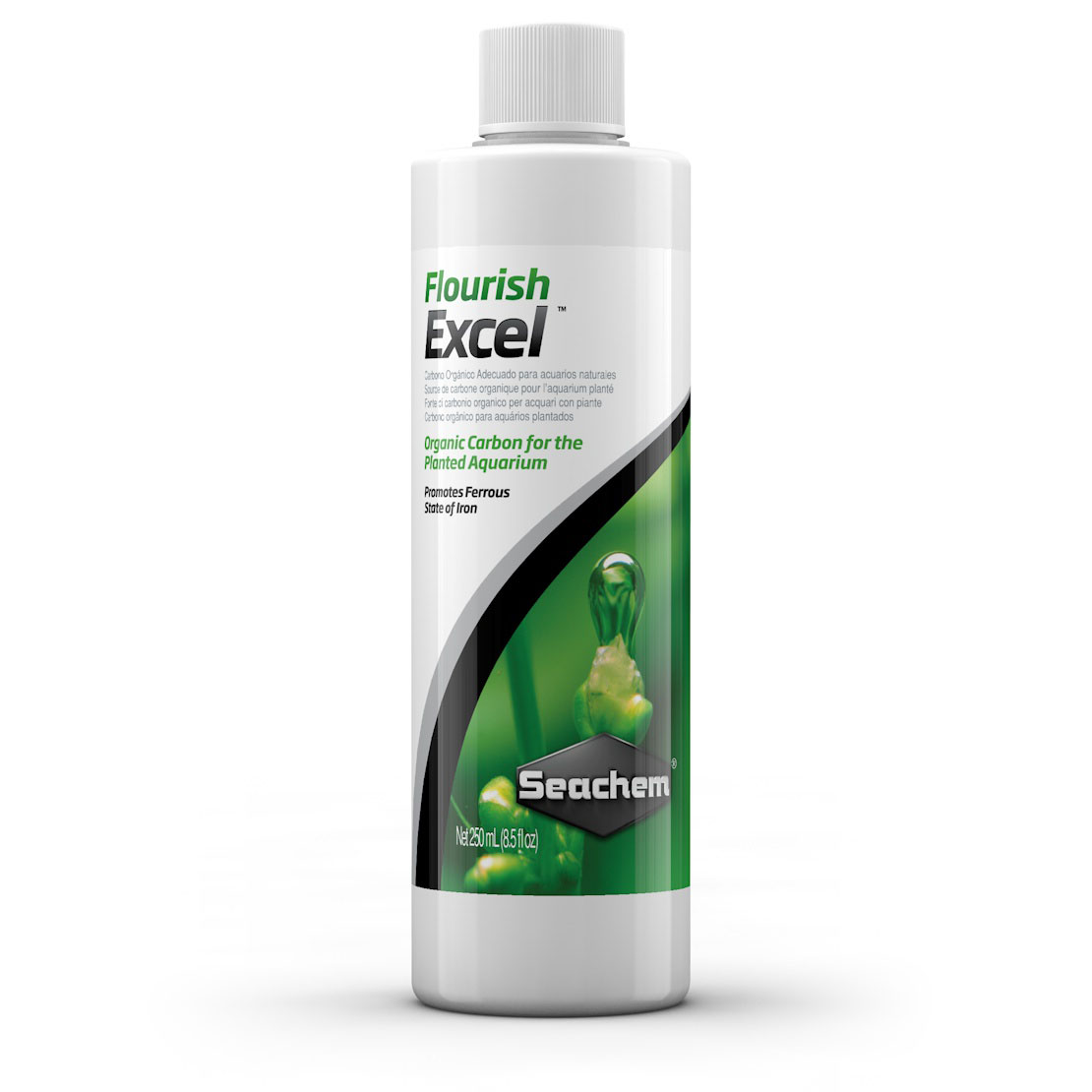
Seachem Flourish Excel Review
A bioavailable liquid carbon source dosed daily — a genuine help for low-tech planted tanks and a useful spot-treatment for algae, but an honest step below true pressurised CO2.
By the AquaVerdict Editorial Team · How we research & review
You'll be sent to Amazon in your country. Indicative price — live, localised pricing coming soon. As an Amazon Associate we earn from qualifying purchases.
Pros
- No cylinder, regulator or gas — just a daily cap dosed into the tank
- Noticeably improves growth on easy and mid-demand plants in low-tech setups
- Doubles as an algae spot-treatment when dosed directly onto problem spots
- Cheap to start and completely avoids any risk of gassing your fish
Cons
- Not true CO2 — it will not support demanding carpets or high-light aquascapes
- Must be dosed every day and breaks down within about 24 hours
- Overdosing can harm sensitive plants (Vallisneria, mosses) and stress livestock
What liquid carbon actually does
Seachem Flourish Excel supplies carbon in a bioavailable liquid form that plants can use, dosed once a day straight into the tank. On a low-tech setup — modest light, easy-to-mid plants — it delivers a real, visible improvement in growth and health without any cylinder, regulator or risk of over-gassing your fish. It is the lowest-effort way to give plants a carbon boost, and many keepers run it for years on tanks that would never justify a full CO2 rig.
Where it falls short
Be honest with yourself about its limits. Liquid carbon is not true CO2: it will not support a demanding carpet, a high-light aquascape or the fastest-growing stem plants, and it breaks down within about a day so it must be dosed daily to do anything. It can also be overdone — higher-than-label doses melt sensitive species like Vallisneria and mosses and can stress shrimp, so start low. Used as directed it doubles neatly as an algae spot-treatment, dosed directly onto affected leaves or hardscape with the pump briefly off.
How it fits with our other CO2 picks
If your ambitions grow past what liquid carbon can do, the reliable next step is a pressurised system — start with the all-in-one FZONE compact CO2 kit or the dual-stage CO2Art Pro-SE regulator, and add a NilocG glass drop checker to keep it safe. Compare every option on our CO2 systems hub, and pair it with the right lighting and plant fertilizers for your tank.
The easiest way to help a low-tech planted tank and a handy algae spot-treatment — as long as you go in knowing it is a supplement, not a stand-in for real pressurised CO2.
Where this one sits in its aisle
At 18 $, it is the 3 cheapest of the 10 models in this category published here.
- Cheapest in the aisle9 $
- Median30 $
- Dearest in the aisle180 $
Seachem Flourish Excel — frequently asked questions
Is liquid carbon a real substitute for pressurised CO2?
Not fully. Liquid carbon provides a bioavailable carbon source that helps many plants, but it cannot match the dissolved CO2 a pressurised system delivers, and it does not support demanding carpeting plants or high-light tanks. Think of it as a helpful boost for low-tech setups, not a true replacement — if you want a lush, pearling high-tech tank, you need pressurised gas.
How does it compare to DIY CO2 and a pressurised kit?
Liquid carbon is the simplest option: no equipment, no gassing risk, just a daily dose. DIY yeast CO2 adds real gas but is inconsistent and stops overnight. A pressurised kit with a solenoid on a timer and a drop checker is the reliable, controllable route and the only one that fully unlocks demanding plants. Choose by how far you want to push the tank.
Can I overdose it, and is it safe for fish and shrimp?
Yes, you can overdose it. At the recommended dose it is fine for most tanks, but higher doses can melt sensitive plants like Vallisneria and mosses and stress shrimp and sensitive fish. Start at half the label dose, watch your plants and livestock, and increase slowly.
Found your model? Buy it at the right price.
UniverTrack tracks the real price of your aquarium gear across several retailers, spots fake discounts and warns you when it's genuinely the right moment to buy — with an AI assistant to guide you.
Our score
7.6/ 10
The easiest way to help a low-tech planted tank and a handy algae spot-treatment — as long as you go in knowing it is a supplement, not a stand-in for real pressurised CO2.
Who this one is for
A low-tech planted tank owner who wants better plant growth without a cylinder, or anyone spot-treating algae.
Compared with its closest rivals
Same category, nearest prices. Only the specifications every one of them states are shown — a half-empty column compares nothing.
| Model | Price | Type | Works with | Key feature | Suitable tank size |
|---|---|---|---|---|---|
| Seachem Flourish Excel | 18 $ | Liquid carbon supplement (500 mL) | Any planted tank; no equipment needed | Daily-dosed carbon source and algae spot-treatment | Best on low-tech tanks; dose by volume |
| NilocG Glass CO2 Drop Checker | 15 $ | Glass CO2 drop checker with reagent | Any pressurised, DIY or liquid-carbon planted tank | Colour indicator shows real dissolved CO2 level | Any — hang at the opposite end from the diffuser |
| Aquario Neo CO2 Diffuser (Original, Medium) | 22 $ | In-tank ceramic glass CO2 diffuser | Pressurised CO2 regulator + standard tubing | Special ceramic disc for ultra-fine mist | Nano up to ~120 L (size the diffuser to the tank) |
| Qanvee M1 Inline CO2 Atomizer | 25 $ | Inline CO2 atomizer (external, on filter hose) | Canister filters with 12/16 mm tubing (16/22 mm variant available) | Replaceable ceramic core for fine-mist atomisation | Nano up to large planted tanks with a canister filter |
What separates these models
- If price decides: NilocG Glass CO2 Drop Checker, at 15 $.
- Highest Type in the table: this model (Liquid carbon supplement (500 mL)).
- This model holds the table’s highest figure for Type.
If this one is not the right fit
- On a tighter budget: API CO2 Booster, at 9 $ in the same category. see the review
Guides that feature it
Price and availability
Details checked on July 15, 2026.
Sources
Specifications: manufacturer sheet and Amazon product page. Prices and availability: Keepa. No product on this site has been physically tested.
More co2 systems we recommend
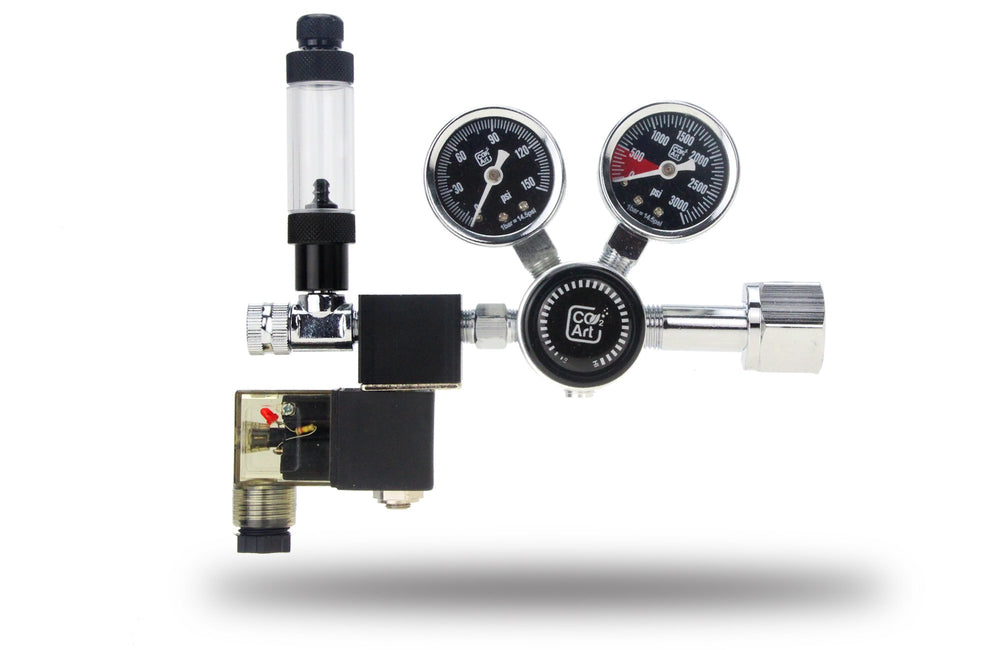
CO2ART · dual-stage regulator · integrated solenoid
CO2Art Pro-SE
A dual-stage regulator with an integrated solenoid, precise needle valve and bubble counter — the reliable, automation-ready heart of a serious pressurised CO2 system.
Read the review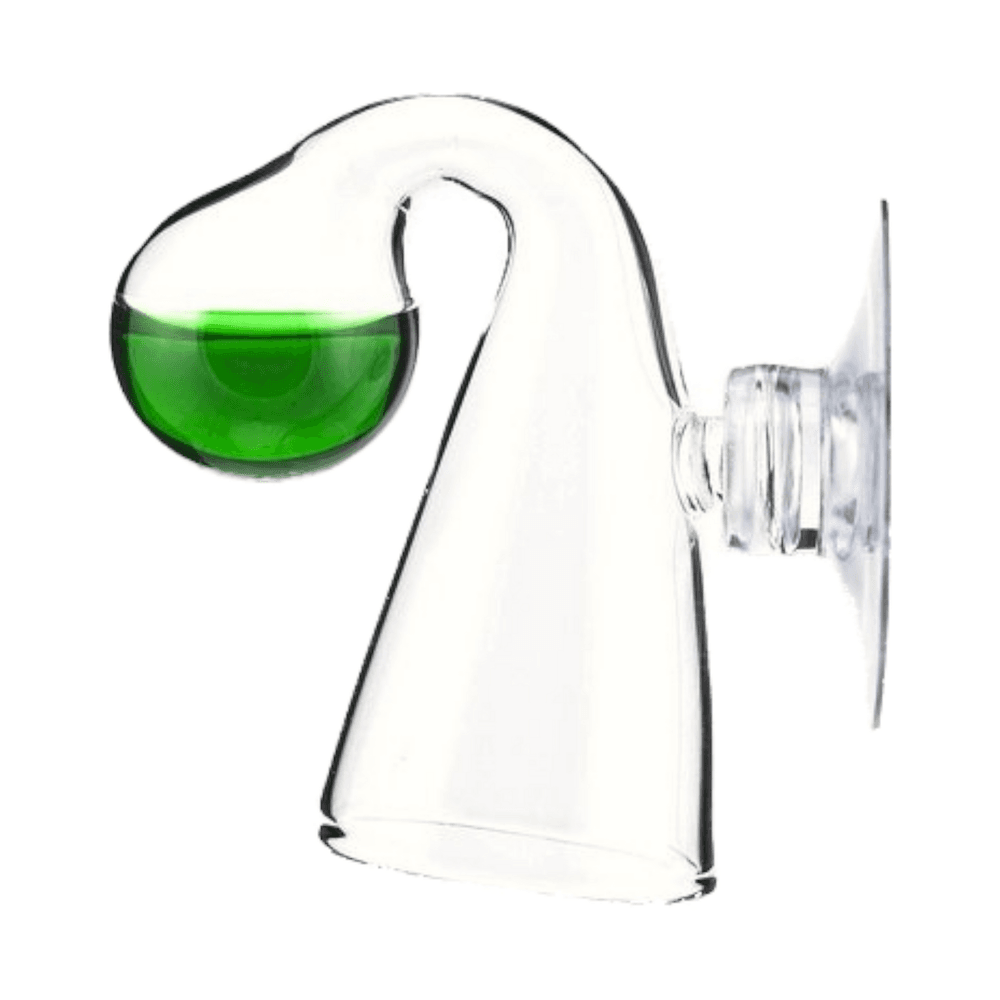
NILOCG · glass drop checker · 4dKH reagent included
NilocG Glass CO2 Drop Checker
A glass drop checker with the 4dKH indicator solution included — the cheap, essential gauge that shows whether your CO2 level is right, too low, or dangerously high.
Read the review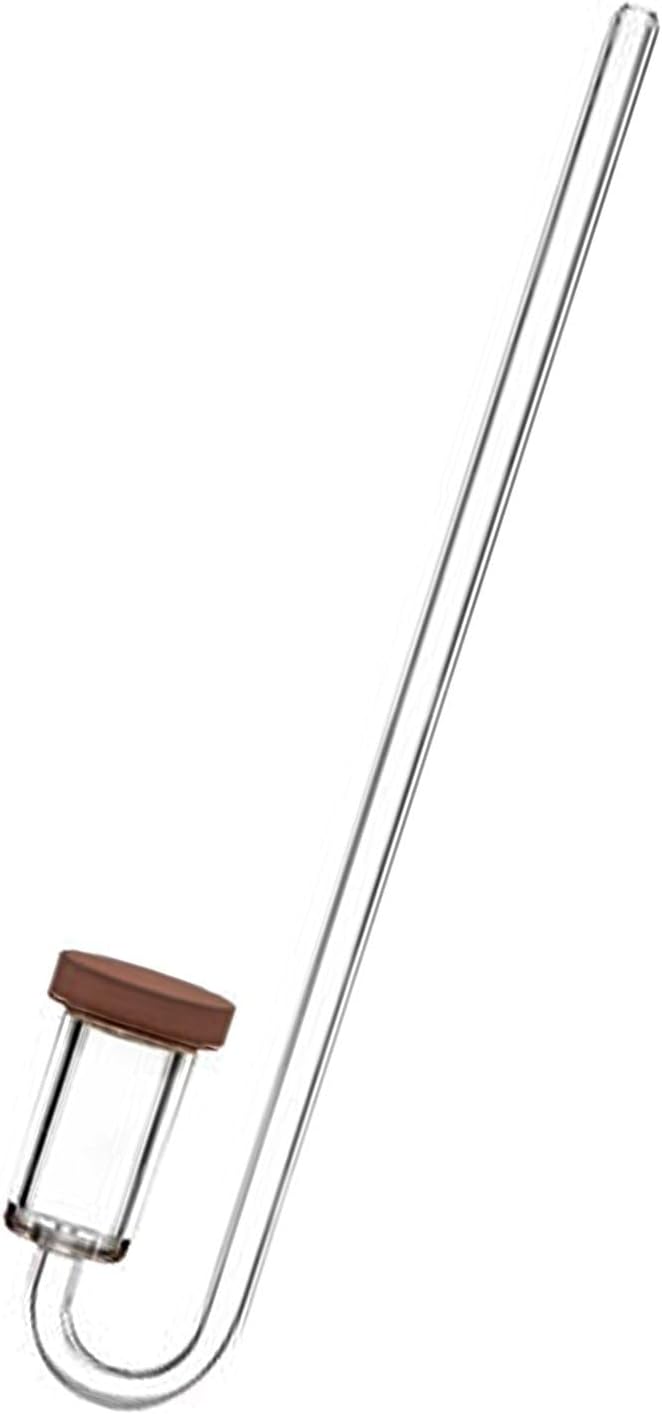
AQUARIO · in-tank glass diffuser · up to ~120 L
Aquario Neo CO2 Diffuser (Original, Medium)
The diffuser aquascapers keep recommending: a special ceramic that throws an unusually fine, dense mist, dissolving CO2 efficiently at lower bubble rates than most glass diffusers.
Read the review