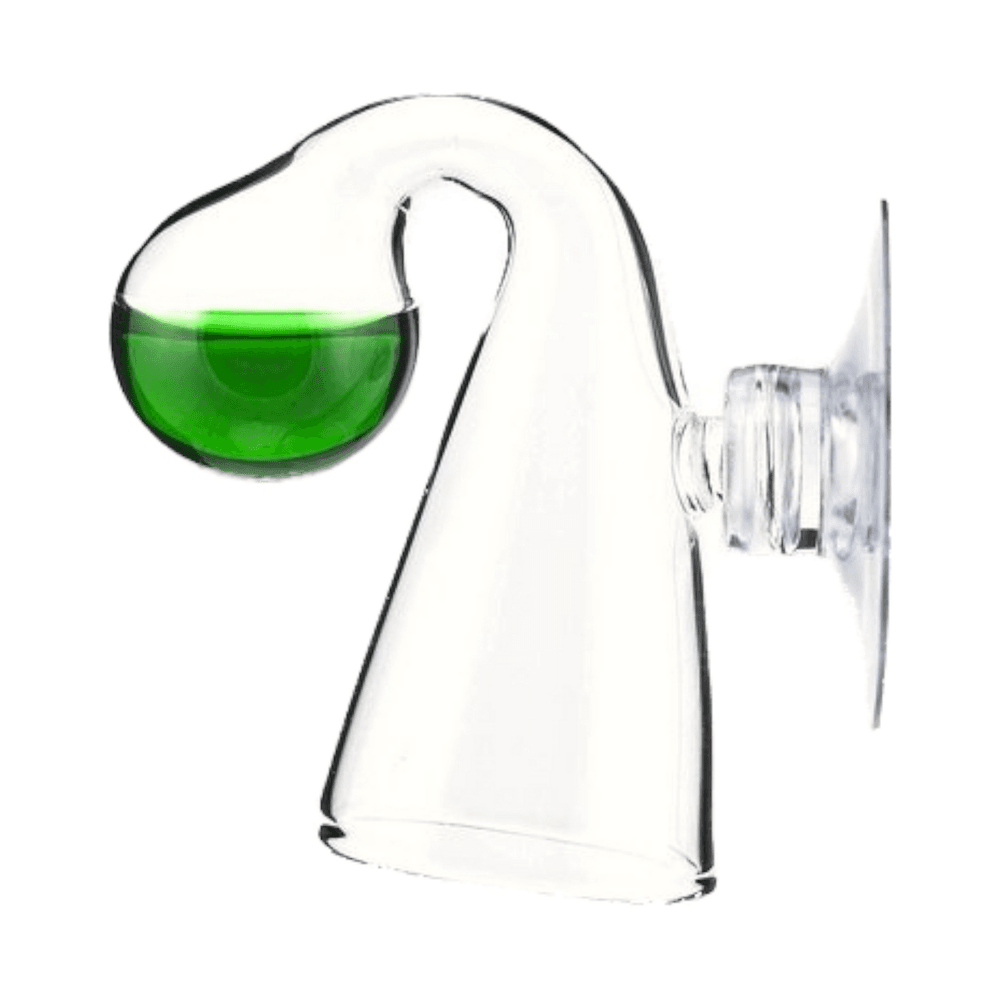
NilocG Glass CO2 Drop Checker Review
A glass drop checker with the 4dKH indicator solution included — the cheap, essential gauge that shows whether your CO2 level is right, too low, or dangerously high.
By the AquaVerdict Editorial Team · How we research & review
You'll be sent to Amazon in your country. Indicative price — live, localised pricing coming soon. As an Amazon Associate we earn from qualifying purchases.
Pros
- Ships with the correct 4dKH/pH reagent, so it works accurately out of the box
- Colour code is unmistakable: blue = too little CO2, green = good, yellow = too much
- Glass and suction cup look tidy in an aquascape and wipe clean easily
- Costs a few dollars and is the cheapest insurance against gassing your fish
Cons
- Reads on a delay of an hour or two, so it shows the trend rather than the instant level
- Solution needs refreshing every few weeks to stay accurate
The gauge that keeps CO2 safe
Dissolved CO2 is invisible, and too much of it will suffocate fish before you notice. A drop checker solves that: a small glass bulb of 4dKH indicator solution hangs in the tank and slowly changes colour with the CO2 level — blue means too little, lime-green is the target, and yellow warns that levels are getting dangerous. This NilocG kit includes the correct reagent, so it reads accurately from day one rather than needing you to source solution separately.
How to read it properly
Two habits matter. First, always use the supplied 4dKH solution, never tank water — the colour is only meaningful against a known carbonate hardness. Second, remember it lags: the colour reflects the CO2 level from an hour or two earlier, so make adjustments once a day and let the tank catch up. Hang it at the opposite end of the tank from your diffuser to read an average, not the concentrated plume right at the source.
How it fits with our other CO2 picks
A drop checker is the companion to every pressurised setup here — pair it with the CO2Art Pro-SE regulator or the FZONE compact CO2 kit and use it to dial in the needle valve. If you would rather skip pressurised gas entirely, Seachem Flourish Excel is a limited liquid alternative. See everything on our CO2 systems hub, and round out the tank via the lighting and plant fertilizer hubs.
The single cheapest thing that makes CO2 injection safe. With the correct 4dKH solution in the box, it turns an invisible, risky variable into a colour you can read at a glance.
Where this one sits in its aisle
At 15 $, it is the 2 cheapest of the 10 models in this category published here.
- Cheapest in the aisle9 $
- Median30 $
- Dearest in the aisle180 $
NilocG Glass CO2 Drop Checker — frequently asked questions
How does a drop checker use a solenoid and timer together?
The drop checker is how you tune the system. Run your regulator's solenoid on a timer (CO2 on ~1 hour before lights, off ~1 hour before lights-out), then read the checker each afternoon: aim for lime-green. If it stays blue, raise the bubble rate a little; if it goes yellow, back off. Adjust only once a day, since the colour lags the real level by an hour or two.
Why must I use the included 4dKH solution and not tank water?
The colour only means a specific CO2 level if the fluid is a known 4dKH (degrees of carbonate hardness) solution. Filling it with tank water makes the reading meaningless, because your tank's hardness and pH vary. Always use 4dKH reagent — the reason a kit that includes it is worth buying.
Do I need a drop checker if I only dose liquid carbon?
It is most important with pressurised CO2, where over-injection can harm fish. With liquid carbon alone you cannot overdose the water with gas the same way, so a drop checker adds little — it is really a tool for pressurised and DIY systems.
Found your model? Buy it at the right price.
UniverTrack tracks the real price of your aquarium gear across several retailers, spots fake discounts and warns you when it's genuinely the right moment to buy — with an AI assistant to guide you.
Our score
8.9/ 10
The single cheapest thing that makes CO2 injection safe. With the correct 4dKH solution in the box, it turns an invisible, risky variable into a colour you can read at a glance.
Who this one is for
Anyone injecting pressurised CO2 who needs a simple, trustworthy read on the actual in-tank level.
Compared with its closest rivals
Same category, nearest prices. Only the specifications every one of them states are shown — a half-empty column compares nothing.
| Model | Price | Type | Works with | Key feature | Suitable tank size |
|---|---|---|---|---|---|
| NilocG Glass CO2 Drop Checker | 15 $ | Glass CO2 drop checker with reagent | Any pressurised, DIY or liquid-carbon planted tank | Colour indicator shows real dissolved CO2 level | Any — hang at the opposite end from the diffuser |
| Seachem Flourish Excel | 18 $ | Liquid carbon supplement (500 mL) | Any planted tank; no equipment needed | Daily-dosed carbon source and algae spot-treatment | Best on low-tech tanks; dose by volume |
| API CO2 Booster | 9 $ | Liquid carbon supplement (8 fl oz) | Any planted tank; no equipment needed | Daily-dosed carbon source for low-tech tanks | Best on low-tech tanks; dose by volume |
| Aquario Neo CO2 Diffuser (Original, Medium) | 22 $ | In-tank ceramic glass CO2 diffuser | Pressurised CO2 regulator + standard tubing | Special ceramic disc for ultra-fine mist | Nano up to ~120 L (size the diffuser to the tank) |
What separates these models
- If price decides: API CO2 Booster, at 9 $.
- Highest Type in the table: Seachem Flourish Excel (Liquid carbon supplement (500 mL)).
If this one is not the right fit
- On a tighter budget: API CO2 Booster, at 9 $ in the same category. see the review
- If you need more Type: Seachem Flourish Excel states Liquid carbon supplement (500 mL). see the review
Guides that feature it
Price and availability
Details checked on July 15, 2026.
Sources
Specifications: manufacturer sheet and Amazon product page. Prices and availability: Keepa. No product on this site has been physically tested.
More co2 systems we recommend
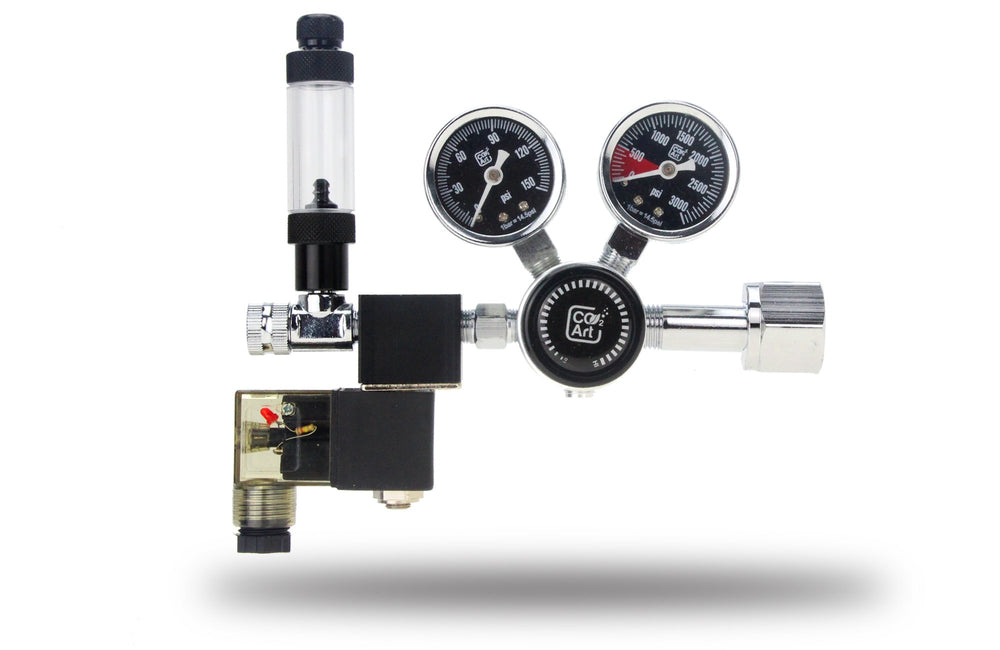
CO2ART · dual-stage regulator · integrated solenoid
CO2Art Pro-SE
A dual-stage regulator with an integrated solenoid, precise needle valve and bubble counter — the reliable, automation-ready heart of a serious pressurised CO2 system.
Read the review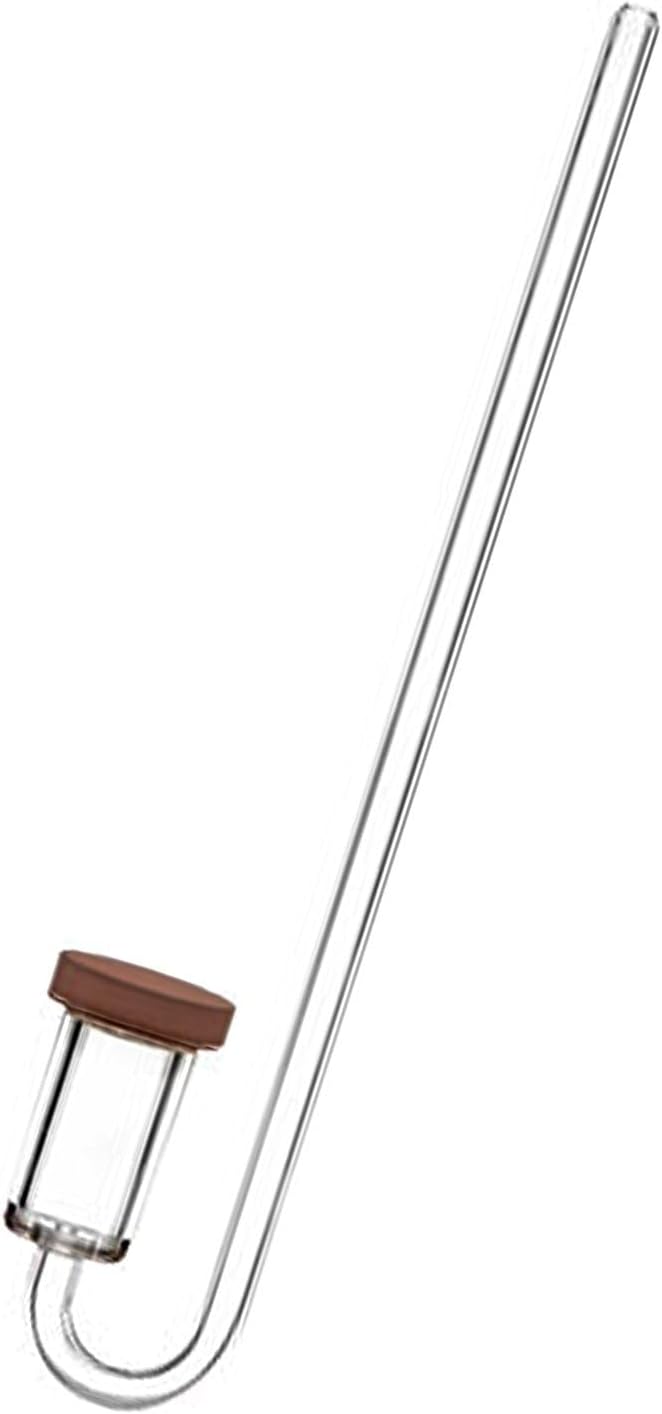
AQUARIO · in-tank glass diffuser · up to ~120 L
Aquario Neo CO2 Diffuser (Original, Medium)
The diffuser aquascapers keep recommending: a special ceramic that throws an unusually fine, dense mist, dissolving CO2 efficiently at lower bubble rates than most glass diffusers.
Read the review
JBL · complete pressurised kit · 40-600 L
JBL ProFlora CO2 Advanced Set M
A complete pressurised CO2 system in one box from a trusted German brand: refillable cylinder, regulator with night shut-off, bubble counter, reactor and test — everything a planted tank needs to start.
Read the review