The best substrates for a shrimp tank in 2026
Shrimp are all about water chemistry. A buffering active soil softens the water and holds pH in the neutral-to-slightly-acidic range that dwarf shrimp thrive in — essential for Caridina like Crystal Reds, and welcomed by hardy Neocaridina too. These are the substrates we'd start a shrimp tank on, from active soils to a permanent mineral-rich base.
By the AquaVerdict Editorial Team · How we research & review
- 1
- 2
- 3
Frequently asked questions
Does the substrate really matter for shrimp?
For Caridina shrimp (Crystal Red, Taiwan Bee), yes — they need soft, slightly acidic water, and a buffering active soil is the easiest way to get and hold it. Hardier Neocaridina (cherry, blue dream) tolerate neutral to slightly hard water, so they'll happily live on a mineral-rich inert base too. Match the substrate to the shrimp: active buffering soil for Caridina, either for Neocaridina.
Active soil vs an inert base for shrimp?
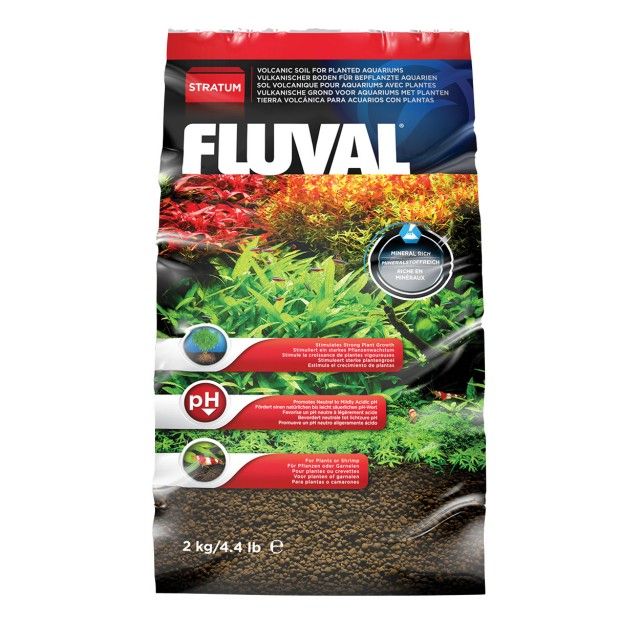
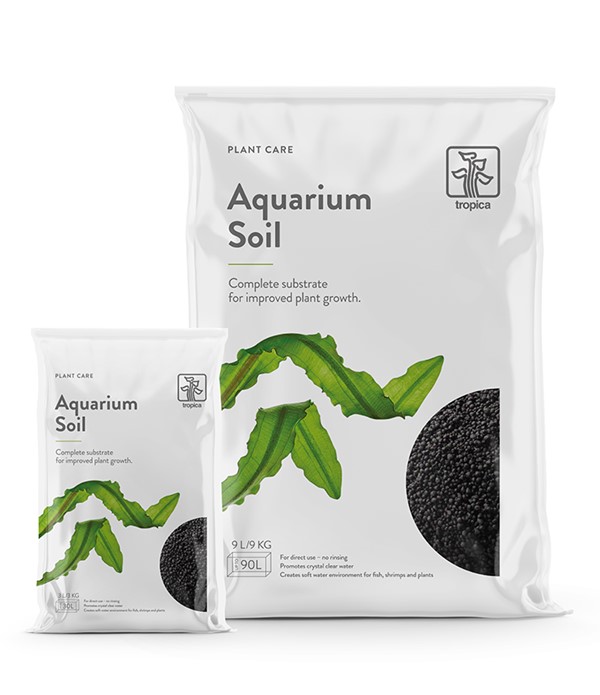
An active soil like Fluval Stratum or Tropica lowers pH and softens the water, which is exactly what Caridina need, but it leaches ammonia at first and wears out in one to two years. A mineral-rich inert base like Eco-Complete never buffers pH and never wears out — great for Neocaridina in neutral water, less suited to soft-water Caridina. Pick by your shrimp's needs.
How do I set up shrimp substrate safely?
Whatever you choose, cycle the tank fully first — fresh active soil leaches ammonia, and shrimp are far more sensitive to it than fish. Set the tank up, plant it, and test until ammonia and nitrite read zero before adding a single shrimp. Add shrimp slowly and drip-acclimate them, since they hate sudden swings in the very water parameters the substrate is there to stabilise.
Found your model? Buy it at the right price.
UniverTrack tracks the real price of your aquarium gear across several retailers, spots fake discounts and warns you when it's genuinely the right moment to buy — with an AI assistant to guide you.